India’s food processing sector is emerging as a significant growth area, with a joint FICCI and Deloitte report projecting a potential US$600 billion opportunity by 2030.
The projection reflects a broader transformation taking place across India’s food economy. Rising incomes, urbanisation, changing consumer preferences, technology adoption and increasing demand for processed and value added products are contributing to the sector’s expansion.
According to the FICCI Deloitte report, India’s food processing industry has considerable room for growth because only around 12 to 13 percent of the country’s food output is currently processed. Increasing this level of processing could create opportunities for manufacturers, farmers, food brands, logistics companies and exporters.
The report describes the opportunity as more than an increase in food production. Greater value addition, stronger branding, improved distribution networks, product innovation and access to international markets are expected to play an important role in determining the sector’s future growth.
The processed food market itself is projected to reach between US$560 billion and US$580 billion by 2030, while the broader food processing ecosystem could represent an opportunity of around US$600 billion, according to reporting on the FICCI Deloitte study.
Consumer behaviour is another important factor behind the expected expansion. Indian consumers are increasingly looking for convenient, health focused and premium food products. Nutrition and functional food categories are growing at an estimated 15 to 20 percent annually, almost twice the growth rate of the broader food market, according to Deloitte.
The growth of online grocery platforms and quick commerce is also changing the way consumers discover and purchase food products. Deloitte and FICCI estimate that online channels could account for 25 to 30 percent of food retail sales in major metropolitan areas by 2030. This could provide food companies with additional channels to introduce new products and reach consumers directly.
Exports are another area where India’s food processing industry has significant potential. Processed food products can provide greater value compared with the export of raw agricultural commodities because processing can improve shelf life, branding and market positioning.
Government initiatives are already supporting investment in food processing capacity. The Production Linked Incentive Scheme for Food Processing Industries has attracted investments and supported the expansion of processing and preservation capacity. According to the Ministry of Food Processing Industries, 165 applications had been approved under the scheme as of February 2026, covering 274 project locations. Beneficiaries had reported investments of about Rs 9,207 crore.
The same government backgrounder said the scheme had contributed to the creation of around 3.39 lakh direct and indirect jobs and had helped increase food processing and preservation capacity by approximately 34 lakh tonnes per year. Agricultural processed food exports associated with the scheme had also recorded a compound annual growth rate of 13.23 percent between 2019 and 20 and 2024 and 25.
International trade agreements could provide another avenue for expansion. India and the European Union have concluded negotiations for a Free Trade Agreement, with both sides highlighting opportunities for greater trade and investment. The agreement covers a market involving India and the 27 EU member states and includes provisions affecting goods and services trade. Its implementation will depend on completion of the respective formal processes.
The European Commission says the agreement provides for substantial tariff reductions on a wide range of goods, while sensitive agricultural products remain protected. It also states that Indian imports into the EU will continue to be subject to European health and food safety requirements.
Food processing is specifically identified as one of the areas that could benefit from expanded India EU trade. The European Commission’s information on the agreement includes processed food among the categories covered by tariff changes. This could create opportunities for Indian food companies seeking greater access to European consumers, although exporters will still need to meet applicable regulatory and quality standards.
Plant based protein and alternative protein products are also becoming part of the wider food innovation landscape. Industry organisations such as GFI India are tracking developments in plant based, fermentation and cultivated protein, while research and investment activity is expanding around new protein applications.
The growing interest in plant based foods is connected to changing consumer preferences and the search for new food products. For Indian companies, the sector could provide opportunities to develop products based on locally available crops, pulses and other plant ingredients. However, the pace of adoption will depend on factors such as consumer demand, pricing, taste, product quality and regulatory requirements.
Technology is expected to play an increasing role across the food processing value chain. Companies are using artificial intelligence and data analytics for demand forecasting, quality assessment, warehouse automation and production planning. These technologies can potentially improve operational efficiency and reduce supply chain losses.
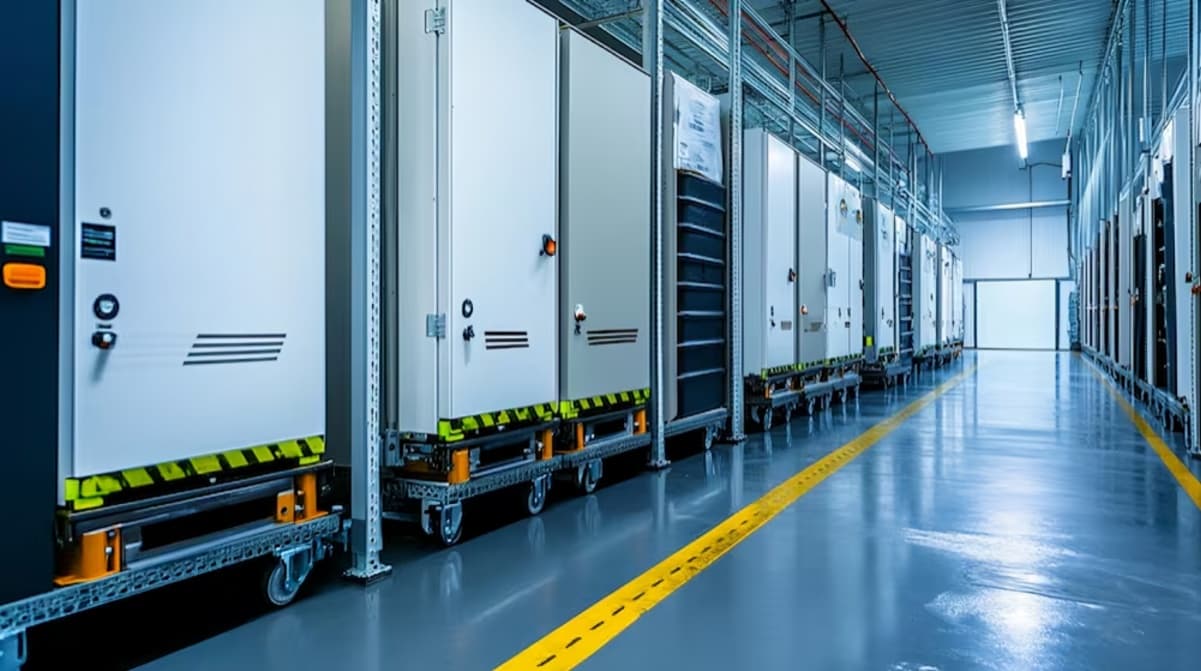
Cold chain infrastructure is another important requirement for the sector. Better storage, transportation and processing facilities can help reduce post harvest losses and enable agricultural products to reach markets in better condition. Government programmes have supported investments in integrated cold chain projects as part of efforts to strengthen the food processing ecosystem.
The sector also connects agriculture with manufacturing and exports. Farmers can potentially benefit when agricultural produce is linked to organised processing, packaging and distribution networks. At the same time, food manufacturers need reliable supplies, consistent quality and efficient logistics to compete in domestic and international markets.
The projected US$600 billion opportunity therefore depends on several factors rather than a single source of growth. Higher processing levels, consumer demand, exports, investment, technology, infrastructure and trade access will all influence the pace of expansion.
India’s food processing industry has already become an important part of the country’s agricultural and manufacturing ecosystem. The latest industry projections indicate that the next phase of growth is expected to focus increasingly on value addition rather than simply increasing production volumes.
With international market access developing alongside domestic consumption, food companies are likely to focus more on branded products, health and nutrition categories, convenience foods and export oriented products. The India EU trade agreement could add another potential market channel once the agreement completes the necessary processes and enters into force.
The US$600 billion figure should therefore be viewed as a projected opportunity for 2030 rather than the current size of India’s food processing market. The extent to which that opportunity is realised will depend on investment, processing capacity, infrastructure, consumer adoption, regulatory compliance and the ability of Indian companies to compete in global markets.