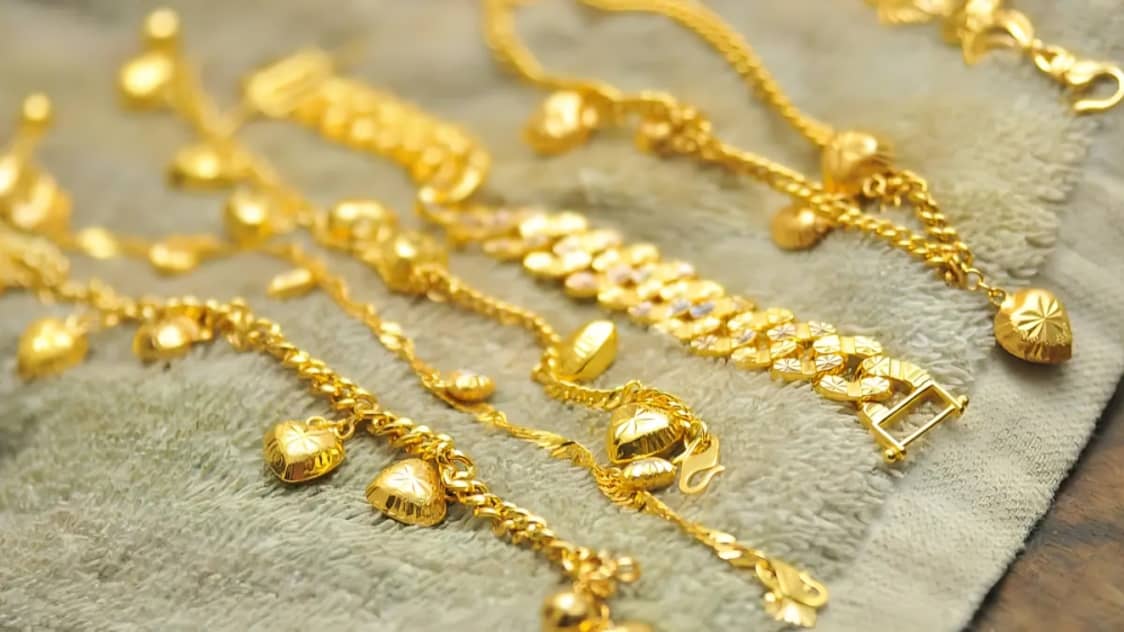
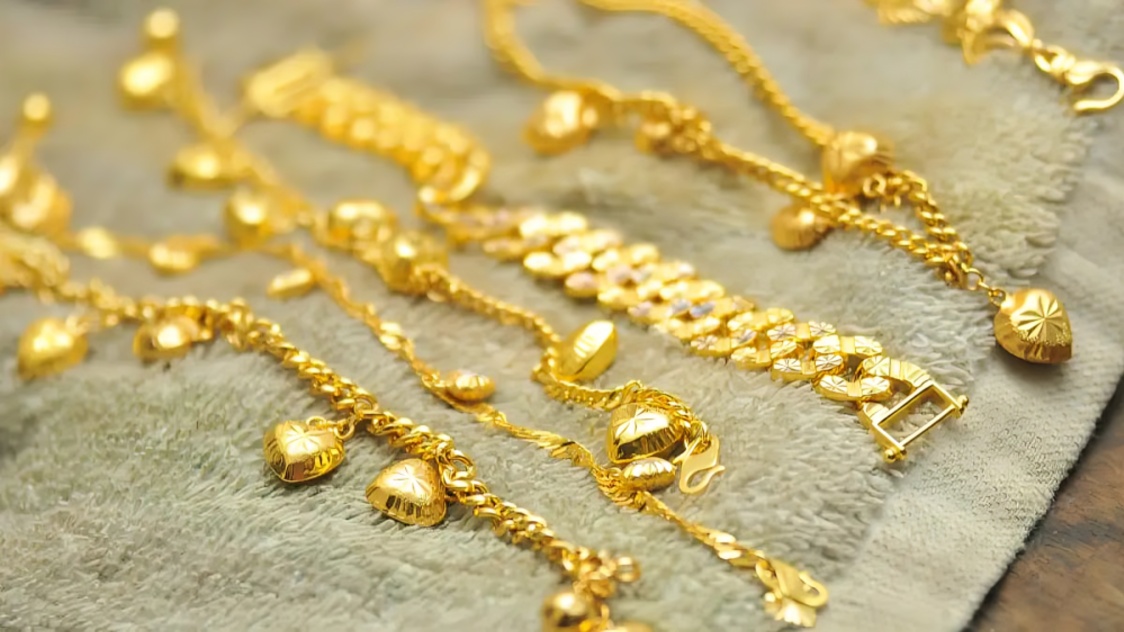
Gold demand in India is expected to remain resilient during the festive season despite fluctuations in prices, as consumers continue to value the precious metal for jewellery, traditional occasions and long-term wealth preservation. Industry experts expect festive and wedding-related purchases to support the market, while buyers are becoming more selective about designs, purity, pricing and overall value.
Kaushlendra Sinha, chief executive officer of the Indian Association for Gold Excellence and Standards, told Times Now Digital that consumer confidence in gold remains strong. He said buyers are increasingly making informed decisions, with greater attention to product quality, transparent transactions and the long-term value of their purchases.
The outlook comes as the Indian gold market enters a busy period for festivals and weddings. Although gold prices have experienced significant movements, recent price corrections have helped encourage some consumers to return to jewellery stores.
Gold Continues to Hold Cultural and Financial Importance
Gold has a longstanding place in Indian households and is closely associated with festivals, weddings, family celebrations and traditional gifting. Many consumers also regard it as a way to preserve wealth over time.
This combination of cultural significance and perceived financial value helps support demand even when prices rise or fluctuate. However, higher prices can influence how much gold households purchase and which products they choose.
The World Gold Council reported on October 20, 2026, that seasonal demand in India was gaining momentum. Retailers were reporting healthier order flows and improving store footfall as they prepared for the festive and wedding season. The organisation also noted that lower prices in recent weeks had provided some support to jewellery spending.
Nevertheless, strong demand in value terms does not necessarily mean that consumers are buying more gold by weight. When prices are elevated, households may spend more money while purchasing fewer grams of jewellery.
Buyers Increasingly Prefer Lightweight Jewellery
One of the important changes in consumer behaviour is the growing interest in lightweight jewellery. Such products allow buyers to choose contemporary designs while managing the total cost of a purchase.
Lightweight necklaces, earrings, bracelets and other everyday pieces can appeal to consumers who want jewellery that is suitable for regular use as well as festive occasions. The trend also allows retailers to offer a broader range of products across different budgets.
According to industry observations, jewellery companies are responding by introducing new designs, expanding product choices and using promotional offers to attract customers.
For buyers, however, the total price depends on more than the weight of the gold. Purity, the applicable gold rate, making charges, gemstones and taxes can all affect the final bill. Comparing these details can help consumers make better-informed decisions.
Sinha's comments indicate that modern buyers are increasingly balancing design preferences with quality and value. This shift makes transparency and clear product information important parts of the jewellery-buying experience.
Purity and Transparency Become Key Priorities
Consumers are paying closer attention to the purity and authenticity of gold jewellery. Buyers increasingly want clear information about the product, its hallmarking details, the applicable rate and the charges included in the final price.
The Indian Association for Gold Excellence and Standards has emphasised the importance of building consumer confidence through trusted jewellery practices. Sinha said transparency and ethical sourcing are becoming more important alongside design and affordability.
Consumers can help protect themselves by checking the purity marking and hallmark details, asking for a detailed invoice and confirming the weight and charges before completing a purchase. They should also understand the terms and conditions of any exchange or buyback programme.
These steps are particularly relevant during busy shopping periods, when retailers may offer multiple promotions and exchange incentives. A clear understanding of the transaction can help buyers compare offers and avoid confusion over the value of the jewellery they purchase.
Old-Gold Exchange Programmes Gain Popularity
Old-gold exchange schemes are another feature of the current jewellery market. Under these programmes, customers can exchange existing gold jewellery and use its assessed value towards a new purchase.
Such schemes may help households manage the cost of buying new jewellery without paying the full amount from fresh savings. They can also provide jewellers with a source of recycled gold, supporting the supply of metal in the domestic market.
The World Gold Council's latest India market update identified old-gold exchange as an important part of seasonal demand. Retailers have been offering incentives to encourage customers to exchange older pieces for new designs.
However, exchange offers differ between jewellers. Consumers should ask how the old jewellery will be evaluated, whether stones or other materials are excluded from the gold weight, what deductions apply and whether the exchange value can be used only at the same store.
Comparing the exchange value and the price of the new jewellery can help customers assess whether an offer suits their needs.
Price Volatility Continues to Influence Buying Decisions
Gold prices can change in response to international market movements, currency fluctuations, interest-rate expectations, geopolitical uncertainty and investment demand. Domestic prices are also influenced by import costs, taxes and the value of the rupee against the US dollar.
The World Gold Council reported that Indian domestic gold prices declined in September 2026 before trading within a narrower range during October. The recent correction helped support seasonal jewellery purchases, while elevated price levels continued to place limits on the volume of gold consumers could afford.
Some buyers may bring forward purchases when prices fall, while others may delay buying in the hope of further declines. This can make demand uneven from one week to another.
Industry experts expect festive and wedding purchases to provide support, but the outlook remains sensitive to further price movements and household budgets. Consumers are therefore likely to continue weighing affordability against tradition, design and long-term preferences.
Jewellery Demand and the Wider Market Outlook
The festive season is an important period for jewellery retailers because it combines gift purchases, family celebrations and wedding-related demand. Retailers prepare by replenishing inventories, introducing new collections and offering exchange incentives.
The World Gold Council reported that listed jewellery retailers recorded year-on-year revenue growth of approximately 20 to 30 per cent during the July-to-September 2026 quarter. It attributed the performance to factors including wedding-related purchases, festive buying, lightweight designs, promotional activity and store expansion.
Revenue growth should be distinguished from growth in the actual volume of gold sold. Higher gold prices can increase sales value even when the quantity purchased grows more slowly or declines.
Looking ahead, the combination of festive demand, weddings, recent price corrections and growing interest in exchange programmes could support the market. However, the level of demand will depend on how prices move and how consumers respond to the cost of jewellery.
What Consumers Should Consider Before Buying Gold
Industry trends suggest that buyers are increasingly focused on informed purchasing rather than price alone. Consumers planning festive purchases can compare rates across reputable jewellers, check hallmark details, review making charges and request a detailed invoice.
Those considering old-gold exchange should compare the valuation of their existing jewellery with the cost of the replacement item. Lightweight jewellery may help control the initial purchase cost, but buyers should still assess craftsmanship, durability and the terms of any buyback offer.
Gold prices can rise or fall, and buying jewellery does not guarantee a financial return. Consumers purchasing gold primarily for personal use may have different priorities from those buying it as an investment.
Overall, industry experts expect India's festive gold market to remain resilient despite price volatility. Continued confidence in gold, growing demand for lightweight designs, greater attention to transparency and wider use of old-gold exchange schemes are expected to shape consumer behaviour during the festive and wedding season.