
Global wholesale inflation pressures have intensified as geopolitical tensions involving the United States and Iran continue to affect fuel supplies, agricultural inputs and international trade networks.
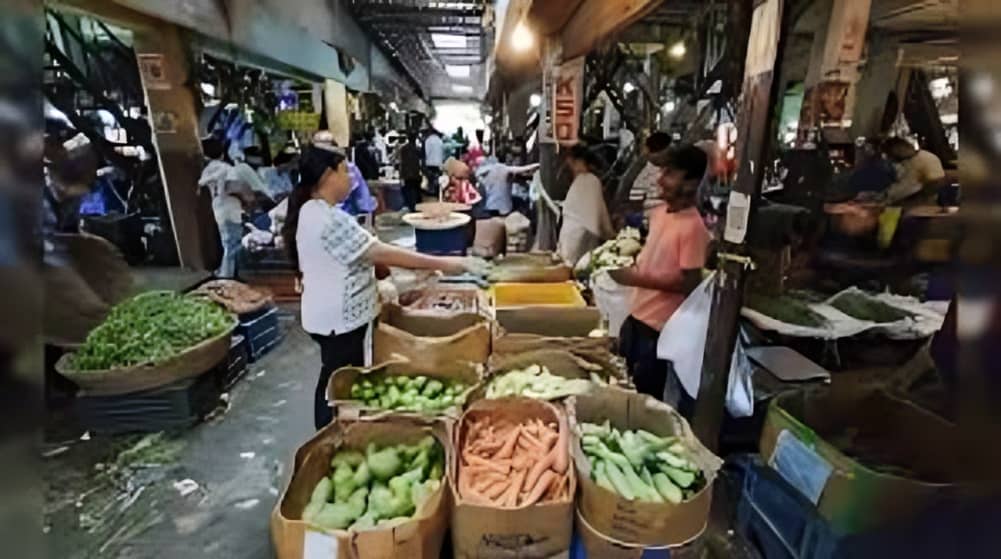
Economic analysts say disruptions linked to the ongoing conflict have increased the prices of diesel, fertilisers and other essential farming materials, resulting in higher operating costs for farmers across several countries. The rise in agricultural expenses has gradually influenced wholesale inflation and contributed to higher grocery prices in retail markets.
Diesel remains a critical component of agricultural activity because it is widely used in farm machinery, irrigation systems and transportation of agricultural goods. Any increase in fuel prices directly impacts farming operations and supply chain costs.
Similarly, fertilisers are essential for maintaining crop productivity and agricultural output. Experts warn that disruptions in fertiliser supply chains or increases in import costs can significantly affect cultivation expenses and food production economics.
Wholesale inflation generally measures price changes at the producer or wholesale level before products reach consumers. Economists note that sustained increases in wholesale costs often lead to higher retail prices for food and household essentials over time.
The current situation has drawn attention from governments, economists and market analysts who are monitoring how international geopolitical developments are influencing domestic economies. Rising transportation costs and supply chain disruptions have become major concerns for agricultural and retail sectors globally.
India, like many other countries, depends on imported crude oil and certain agricultural inputs. As international energy prices fluctuate, transportation and logistics costs within the country may also rise. This can eventually impact the prices of vegetables, grains, dairy products and packaged food items.
Economic experts explained that global conflicts often create uncertainty in commodity markets, leading to increased volatility in fuel and agricultural prices. Shipping disruptions, insurance costs and delays in international trade routes may further add pressure on supply chains.
Several countries are already witnessing concerns related to inflation and food affordability. Economists believe households could face additional pressure if grocery prices continue rising over an extended period.
Agriculture experts also noted that farmers worldwide are attempting to manage increasing operational expenses while maintaining crop production levels. Rising fuel and fertiliser prices may reduce profit margins for farmers and affect agricultural investment decisions.
Governments and central banks are closely monitoring inflation trends because rising food and fuel prices can influence economic growth, consumer spending and monetary policy decisions. Inflation management remains a key priority for policymakers in many countries.
Financial analysts stated that wholesale inflation trends are important indicators of broader economic conditions because they provide early signals regarding future retail inflation and consumer price movements.
The Reserve Bank of India and economic ministries have previously emphasized the importance of maintaining stable supply chains and monitoring global commodity prices to reduce inflationary risks. Authorities are expected to continue reviewing fuel pricing, import policies and agricultural support measures if global uncertainty persists.
Retail markets are already responding to increased transportation and procurement costs in some sectors. Traders and distributors report that fluctuations in fuel prices often affect the cost of moving goods between agricultural regions and urban markets.
Economists believe long term solutions may include strengthening domestic agricultural production, improving supply chain infrastructure and diversifying energy sources to reduce vulnerability to international disruptions.
The latest developments highlight how interconnected global economies have become, with geopolitical tensions affecting everyday consumer expenses such as grocery prices and household essentials. Analysts expect governments and financial institutions worldwide to continue monitoring inflation trends closely in the coming months.