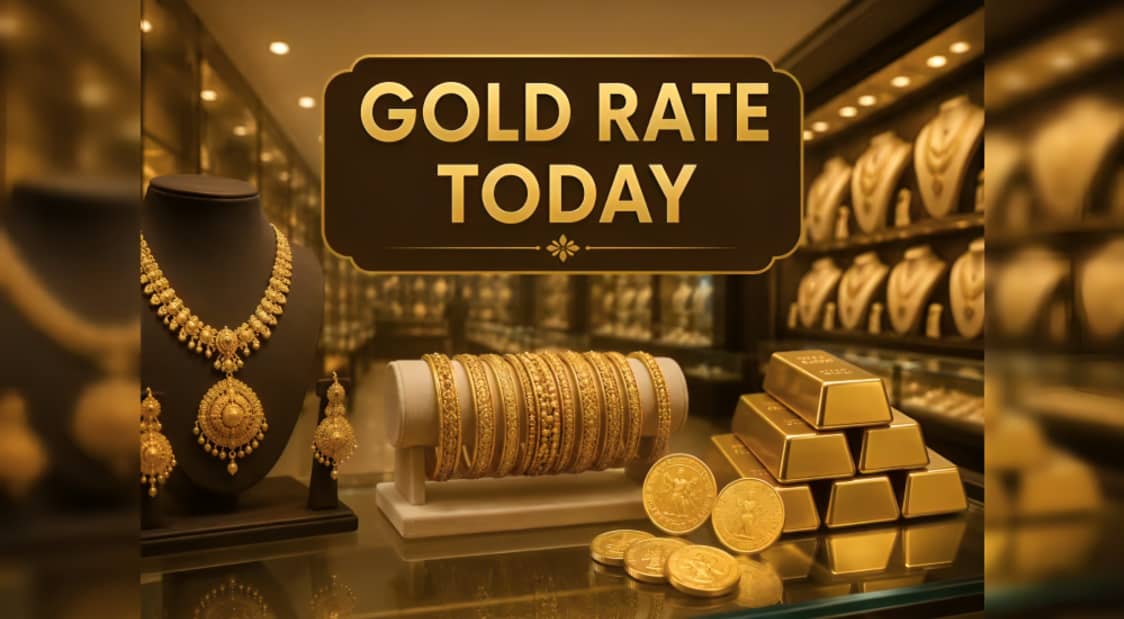
Gold prices recorded a marginal decline on July 6, 2026, reflecting movements in both domestic and international bullion markets. The slight correction comes as investors continue to monitor global economic developments, currency movements, interest rate expectations, and demand for safe haven assets. Consumers planning to purchase jewellery or invest in bullion are also keeping a close watch on daily price changes across major Indian cities.
The price of gold in India varies according to purity levels, with 24 karat, 22 karat, and 18 karat gold remaining the most widely traded categories. While 24 karat gold is considered the purest form and is mainly preferred for investment purposes, 22 karat gold is commonly used in jewellery manufacturing because of its greater durability. Eighteen karat gold, which contains a lower proportion of pure gold, is frequently used in designer jewellery and modern ornaments.
Gold prices differ from one city to another because of local taxes, transportation costs, dealer margins, and state specific factors. Major metropolitan cities including Delhi, Mumbai, Kolkata, Chennai, Bengaluru, Hyderabad, Pune, Ahmedabad, Lucknow, Jaipur, and others generally witness similar pricing trends, although slight regional variations may occur.
Apart from physical gold prices quoted by jewellers, investors also follow the Multi Commodity Exchange of India for gold futures trading. MCX gold contracts provide an indication of market sentiment and future price expectations. Traders monitor these contracts alongside international gold prices to assess short term market direction.
Another important benchmark followed by the bullion industry is the daily reference price published by the India Bullion and Jewellers Association. The association provides standardised gold rates based on prevailing market conditions and serves as an important reference point for jewellers, traders, financial institutions, and investors across the country.
Several domestic and international factors influence gold prices. These include movements in the United States dollar, global inflation trends, central bank monetary policies, geopolitical developments, international economic uncertainty, and changes in investor demand for precious metals. During periods of financial uncertainty, gold is often viewed as a safe investment, resulting in increased buying interest.
The Reserve Bank of India's monetary policy decisions and broader economic indicators also influence investor sentiment in the domestic bullion market. Changes in interest rates, inflation expectations, and currency exchange rates may affect both investment demand and consumer purchases of gold.
In India, gold continues to hold cultural and economic significance beyond its role as an investment asset. The precious metal remains an integral part of weddings, festivals, religious ceremonies, and family savings. Seasonal demand during festive occasions and the wedding season often contributes to increased buying activity in the jewellery market.
Financial experts advise consumers to compare prices from authorised jewellers before making purchases and to verify hallmark certification issued by the Bureau of Indian Standards. Hallmarked jewellery assures buyers about the purity and quality of the gold they purchase. Investors considering gold as part of their financial portfolio are also encouraged to evaluate long term investment objectives rather than focusing solely on short term price movements.
As global financial markets continue to respond to economic data and monetary policy developments, gold prices are expected to remain sensitive to international events. Investors, traders, and consumers are likely to monitor daily price movements closely while considering broader market conditions before making investment or purchasing decisions.