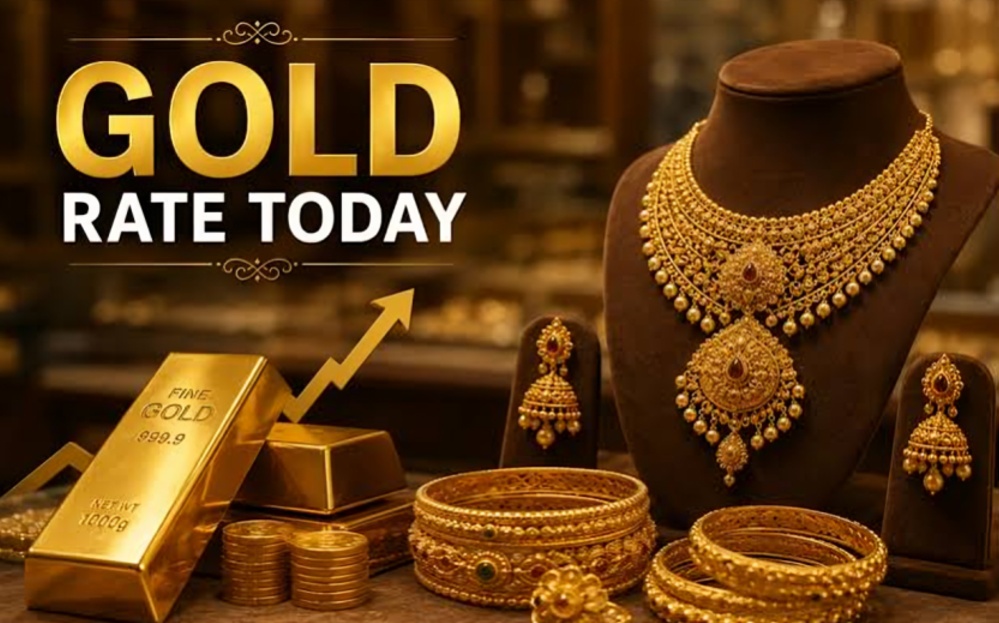
Gold prices in India witnessed a slight decline on July 8, 2026, reflecting changing trends in both domestic and international bullion markets. The movement in gold prices comes as investors continue to assess global economic developments, currency fluctuations and geopolitical events that influence precious metal prices worldwide.
The latest market trends indicate that the prices of 24 karat, 22 karat and 18 karat gold have eased across several major Indian cities. Buyers planning jewellery purchases and investors considering gold as a long term asset are closely monitoring daily price movements before making purchase decisions.
Gold prices in India are determined by several factors, including international spot prices, exchange rates, import duties, taxes and domestic demand. Changes in any of these factors can lead to daily fluctuations in retail gold prices across different regions of the country.
Major metropolitan cities such as Delhi, Mumbai, Kolkata, Chennai, Bengaluru, Hyderabad, Lucknow, Pune and Ahmedabad generally witness similar price trends, although minor differences may occur because of local taxes, transportation costs and jewellers' pricing policies.
Market participants also keep a close watch on trading activity in the Multi Commodity Exchange and benchmark rates published by the India Bullion and Jewellers Association. These indicators help traders, jewellers and investors understand prevailing market trends and estimate future price movements.
Gold continues to remain one of the preferred investment options in India, particularly during periods of economic uncertainty and market volatility. Many investors consider the precious metal a relatively stable asset that can help diversify investment portfolios and provide protection against inflation over the long term.
Demand for gold also increases during festivals, weddings and other special occasions, making seasonal demand another important factor influencing domestic prices. Jewellery purchases account for a significant share of India's overall gold consumption each year.
Financial experts advise buyers to compare prices across authorised jewellers before making purchases. They also recommend checking the purity of gold through hallmark certification to ensure authenticity and quality. Hallmarked jewellery provides greater assurance regarding purity and helps consumers make informed purchasing decisions.
Investors interested in gold may also consider alternative investment options such as Gold Exchange Traded Funds, Sovereign Gold Bonds when available, or digital gold products offered by regulated platforms. These options allow investors to gain exposure to gold prices without purchasing physical jewellery, although each investment option carries its own features and risks.
Market analysts note that future gold prices will largely depend on global inflation trends, central bank monetary policies, international interest rates, currency movements and geopolitical developments. Any significant changes in these factors may influence investor demand and overall price direction in the coming weeks.
Consumers planning to purchase gold are encouraged to monitor daily market updates and verify rates before completing transactions. Since gold prices can change multiple times during the trading day, checking the latest rates from reliable sources remains an important step.
With gold continuing to play an important role in both investment portfolios and cultural traditions across India, daily price movements remain closely followed by investors, jewellers and consumers alike. As global financial conditions continue to evolve, the precious metal is expected to remain an important asset for those seeking long term value and portfolio diversification.