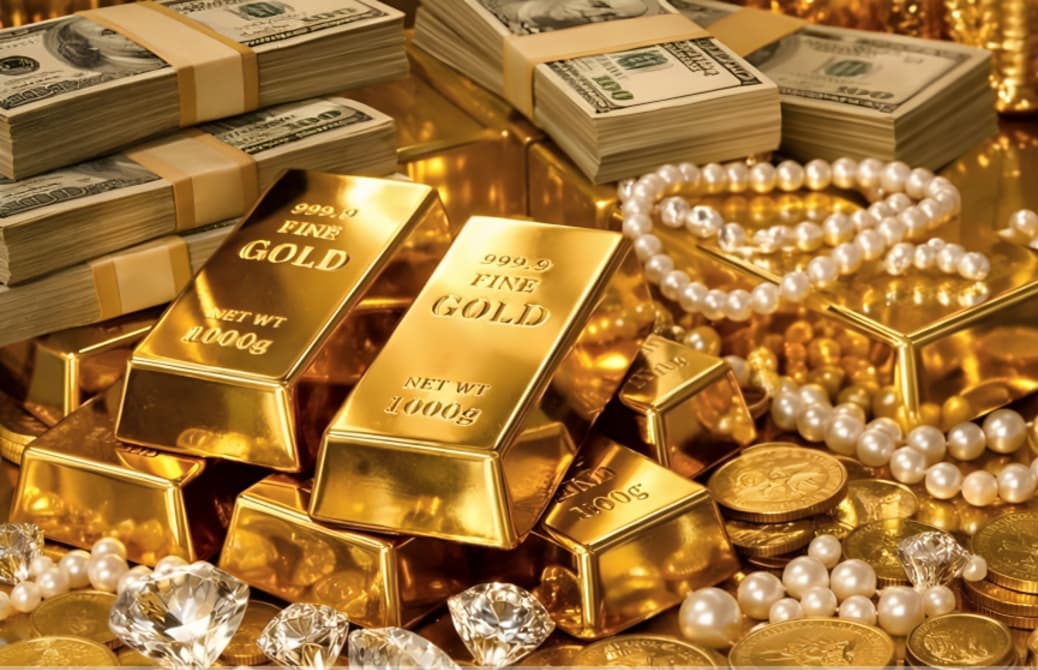
Gold prices continued to trade under pressure on June 26, 2026, with the precious metal remaining close to its lowest levels in nearly three months. The decline reflects movements in global bullion markets, changing investor sentiment, and fluctuations in commodity trading. Domestic gold rates also witnessed minor variations across major Indian cities depending on local taxes, transportation costs, and jewellers' pricing policies.
According to market observers, both retail buyers and investors are closely monitoring gold prices before making fresh purchases. Demand for gold traditionally remains influenced by wedding seasons, festive buying, and long term investment planning. Changes in international prices are generally reflected in domestic markets after accounting for import duties, taxes, and currency movements.
The prices of 24 carat, 22 carat, and 18 carat gold continue to differ based on purity levels. Twenty four carat gold is considered the purest form and is primarily used for investment purposes such as coins and bars. Twenty two carat gold, containing a small proportion of alloy metals, is commonly used for jewellery manufacturing because of its greater durability. Eighteen carat gold is widely preferred for designer jewellery due to its strength and affordability.
Gold rates vary across cities including Delhi, Mumbai, Kolkata, Chennai, Lucknow, Bengaluru, Hyderabad, Pune, Ahmedabad, Jaipur, and other major markets. Local factors such as transportation charges, dealer margins, and state level taxes can result in slight differences in retail prices even when the international benchmark remains unchanged.
Commodity analysts indicate that international factors continue to influence gold prices. Movements in the United States dollar, interest rate expectations, inflation data, geopolitical developments, and central bank policies often affect investor demand for safe haven assets such as gold. Traders also monitor global economic indicators that may impact precious metal prices.
On the domestic front, activity on the Multi Commodity Exchange remains an important indicator for investors tracking short term price movements. MCX gold futures provide insight into market expectations and are widely followed by traders, jewellers, and institutional investors.
Financial experts advise consumers planning to purchase gold jewellery to compare prices among authorised jewellers and verify hallmark certification before completing a purchase. Hallmarked jewellery confirms the purity of gold and helps ensure transparency in pricing. Buyers should also request proper invoices and understand additional charges such as making charges and applicable taxes.
For investors, analysts recommend viewing gold as part of a diversified investment portfolio rather than relying exclusively on short term price movements. Gold has historically served as a hedge against inflation and economic uncertainty, although prices may remain volatile over shorter periods.
Market participants will continue to watch international bullion markets, MCX trading activity, and economic developments for further direction in gold prices. Future movements will largely depend on global financial conditions, investor sentiment, currency trends, and domestic demand across the jewellery sector.