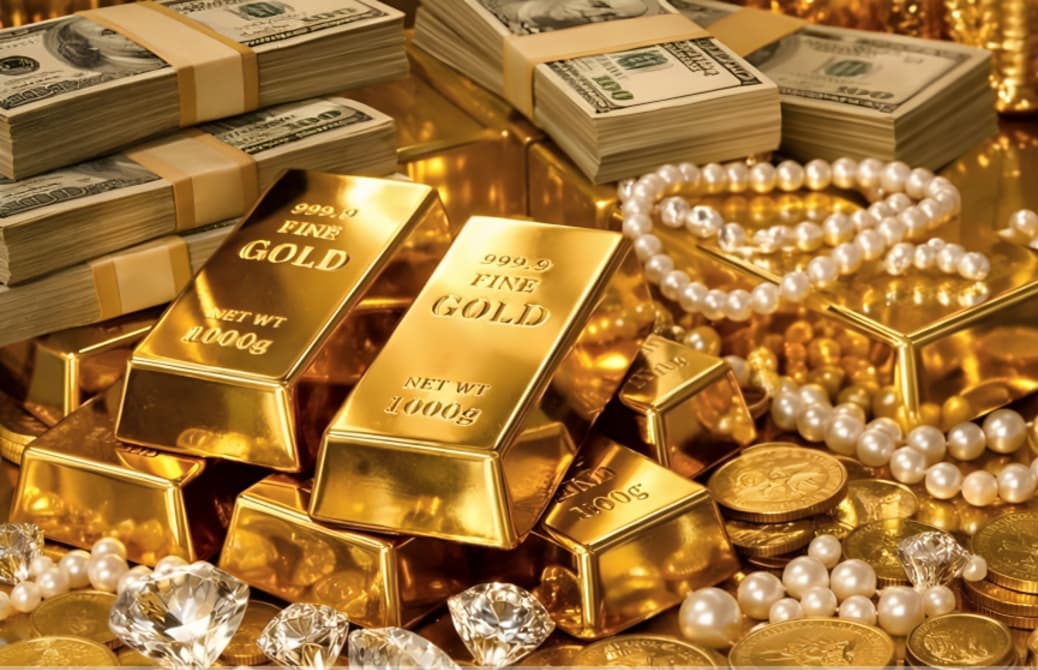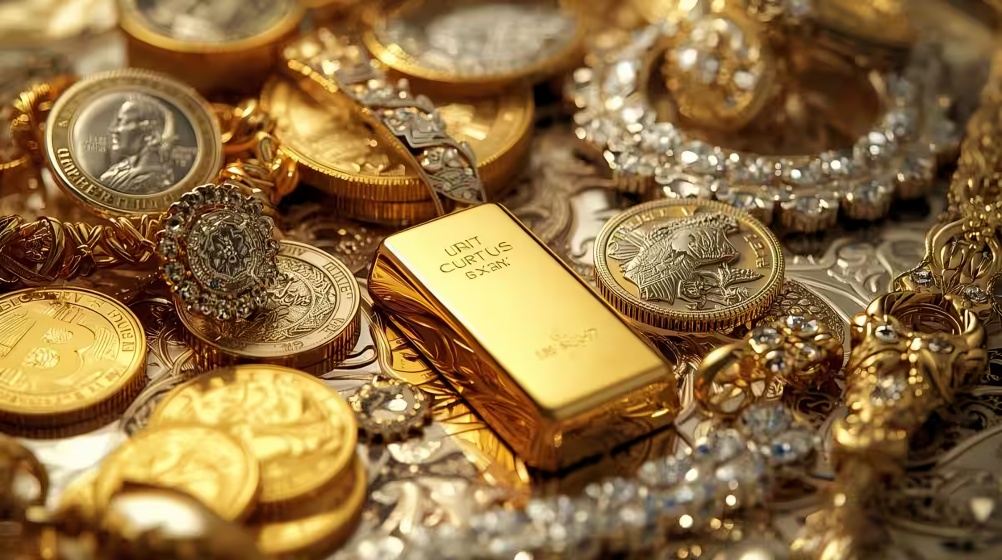
Gold prices in India recorded a decline on Monday, May 11, 2026 as international market uncertainty and geopolitical tensions continued to affect commodity trading and investor sentiment.
The yellow metal witnessed pressure in domestic markets following global volatility linked to tensions involving the United States and Iran. Analysts also observed that Prime Minister Narendra Modi recent appeal encouraging citizens to avoid buying gold for one year influenced market sentiment and trading activity.
During early trading on the Multi Commodity Exchange, 24 carat gold futures declined by around Rs 390 per 10 grams. Market participants noted that gold prices remained under pressure after fluctuations in international commodity markets over the weekend.
According to industry data released by the Indian Bullion and Jewellers Association, the morning price of 24 carat gold stood at approximately Rs 1,51,078 per 10 grams. Prices of other gold purity categories also reflected movement in line with broader market conditions.
Despite the latest decline, gold prices in India continue to remain historically high compared to previous years. Earlier in 2026, gold futures had reached record levels amid strong investor demand and global economic uncertainty.
Experts explained that gold prices are influenced by multiple factors including international crude oil prices, currency fluctuations, inflation expectations, geopolitical developments and investor demand for safe haven assets.
Gold is traditionally viewed as a secure investment during periods of uncertainty and market volatility. Investors often move toward precious metals during geopolitical tensions or financial instability because gold is considered relatively stable compared to equities and other high risk assets.
However, market analysts noted that temporary corrections in gold prices are common after sharp rallies or changes in investor sentiment. Profit booking by traders and fluctuations in global commodity markets can lead to short term price declines.
Prime Minister Narendra Modi’s recent comments regarding gold purchases attracted considerable attention from financial markets and consumers. During his public remarks, the Prime Minister emphasized the importance of conserving national resources and reducing unnecessary spending during challenging global economic conditions.
Economic observers said the appeal was linked to broader concerns regarding foreign exchange spending and rising import costs. India remains one of the world’s largest consumers and importers of gold, making gold demand an important factor in trade and currency management.
Jewellery markets in cities including Delhi, Mumbai, Kolkata, Chennai and Lucknow closely monitored the price movement as consumers reacted to changing rates.
Traders in the bullion market stated that customer interest typically fluctuates when gold prices witness sudden movement. Some buyers delay purchases during volatile conditions while others consider price declines as opportunities for investment and jewellery buying.
Financial experts also highlighted that international developments related to oil prices, global inflation and central bank policies continue to influence precious metal markets worldwide. Any escalation in geopolitical tensions may further affect commodity prices and investor behavior.
The Reserve Bank of India and financial analysts continue to monitor commodity trends because fluctuations in gold and crude oil prices can influence inflation, imports and consumer spending patterns.
Industry observers expect gold prices to remain sensitive to international developments and economic signals in the coming weeks. Investors and consumers are likely to continue monitoring both global geopolitical conditions and domestic economic announcements before making major investment decisions.