
New Delhi:
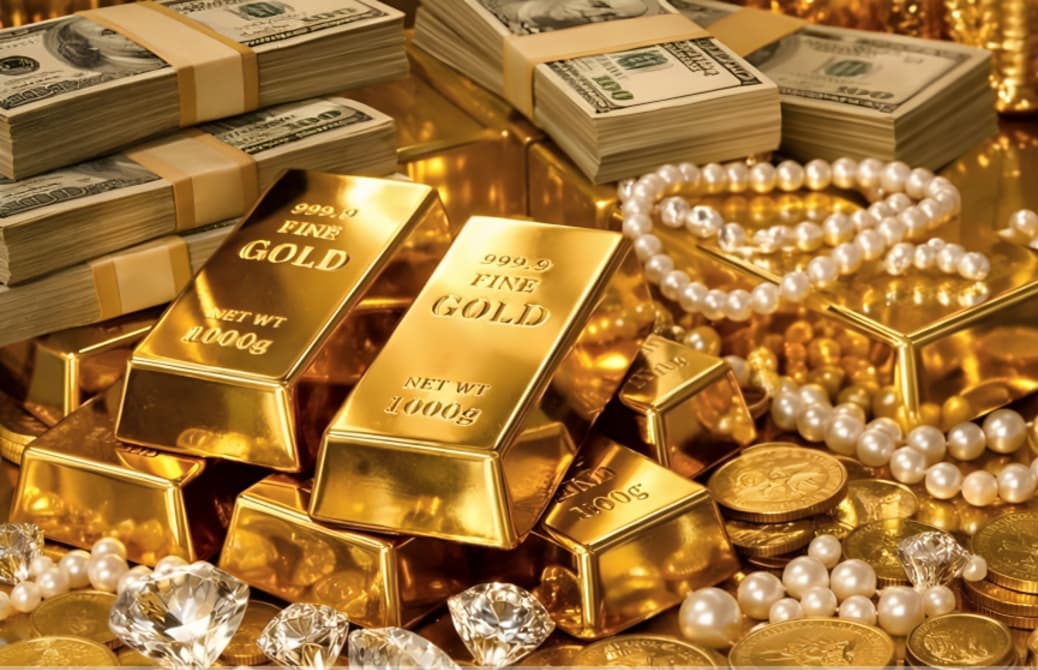
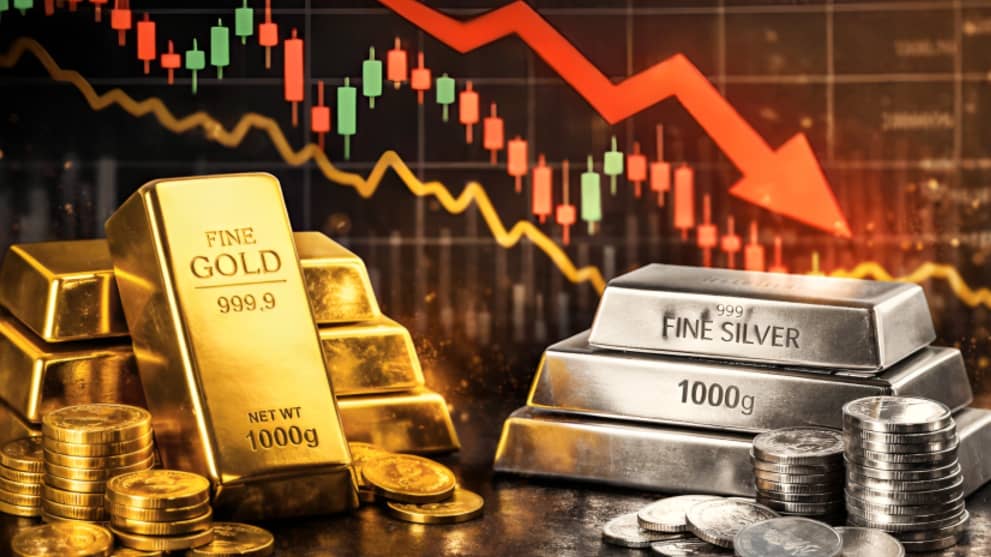
Gold prices remained close to record highs on May 30, 2026, as a combination of geopolitical developments, seasonal demand and global economic expectations continued to support the precious metal. Market participants closely monitored international events and monetary policy signals that have influenced investor sentiment in recent weeks.
Gold is traditionally regarded as a safe haven investment during periods of uncertainty. Whenever geopolitical tensions increase or financial markets experience volatility, investors often shift a portion of their portfolios toward gold as a store of value. Recent global developments have contributed to increased demand for the yellow metal, helping sustain prices near historic levels.
Analysts noted that concerns related to international conflicts and regional security issues have encouraged investors to seek assets perceived as relatively stable during uncertain times. The resulting increase in safe haven demand has been one of the key factors supporting gold prices in global markets.
Domestic demand has also remained strong due to the ongoing wedding season in India. Gold continues to hold cultural and financial significance for many Indian households, particularly during weddings and festive occasions. Jewelry purchases during these periods often contribute to higher retail demand and support market prices.
Another important factor influencing gold prices is the outlook for interest rates in the United States. Investors closely follow policy decisions and economic signals from the US Federal Reserve because interest rate movements can affect the attractiveness of non-yielding assets such as gold.
When expectations grow that interest rates may stabilize or decline, gold often becomes more attractive to investors. Lower interest rates can reduce the opportunity cost of holding bullion compared to interest-bearing financial instruments. As a result, market participants continue to monitor economic indicators and central bank communications for clues regarding future policy decisions.
Central bank purchases have also played a role in supporting global gold demand. Many countries continue to diversify their foreign exchange reserves by increasing gold holdings. These purchases contribute to long-term demand and reinforce the metal's importance within the global financial system.
Market experts believe that gold prices may continue to remain sensitive to developments involving inflation, economic growth, currency movements and geopolitical events. Any significant changes in these areas could influence investor behavior and lead to price fluctuations in the coming months.
Financial advisors often recommend that investors view gold as part of a diversified investment strategy rather than relying exclusively on a single asset class. Gold can serve as a hedge against uncertainty and help balance investment portfolios during periods of market instability.
While short-term price movements may vary, the broader outlook for gold continues to be shaped by global economic conditions and investor confidence. Strong demand from consumers, institutions and central banks has helped maintain the metal's position as one of the most closely watched assets in financial markets.
As traders and investors monitor economic developments around the world, gold is expected to remain a key focus for market participants seeking stability amid changing financial and geopolitical conditions.