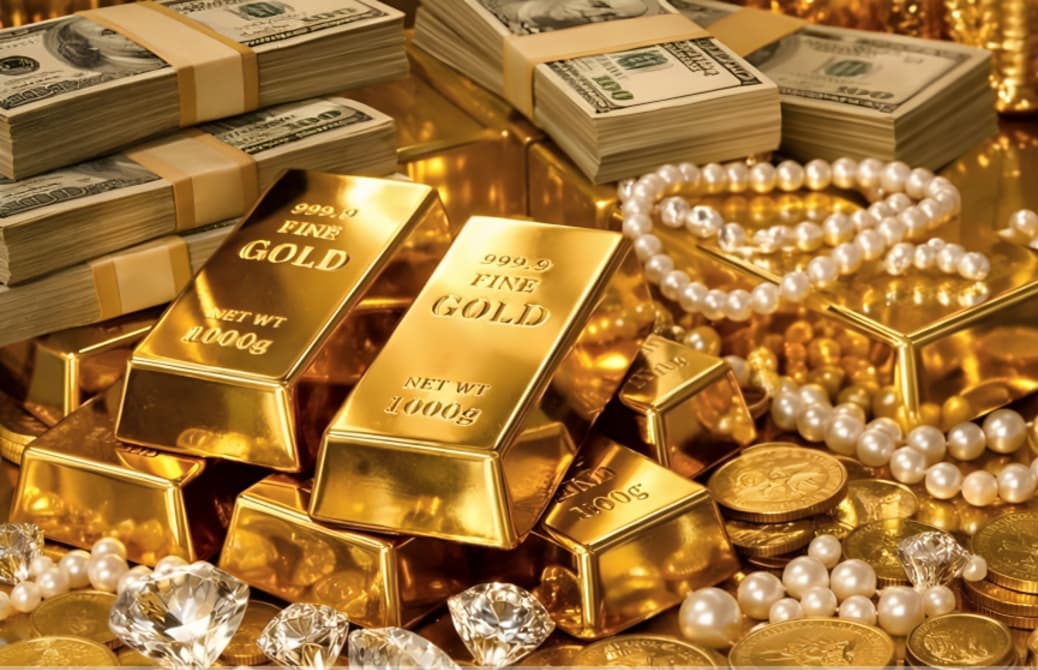
Gold prices remained volatile on May 27, 2026, as investors continued to closely monitor global geopolitical developments and movements in international bullion markets. Market analysts stated that tensions involving Iran and the United States contributed to cautious trading activity, influencing both domestic and international gold prices.
Despite witnessing some upward movement during recent trading sessions, gold prices in India are still reported to be nearly Rs 23000 below earlier record peak levels. The decline from historic highs has attracted the attention of investors, jewellery buyers, and market traders across the country.
Gold rates for 24-karat, 22-karat, and 18-karat categories continued to vary across major Indian cities including Delhi, Mumbai, Kolkata, Chennai, Bengaluru, Hyderabad, and other urban markets. Local taxes, transportation costs, and jeweller pricing practices often contribute to slight regional variations in gold rates.
Financial experts explained that gold prices are influenced by several global and domestic factors, including international spot prices, currency exchange rates, central bank policies, inflation concerns, and geopolitical uncertainty. During periods of global instability, investors often move towards gold as a safe-haven asset, increasing demand for the precious metal.
The recent geopolitical tensions in West Asia have increased uncertainty in international financial markets, leading many investors to closely monitor commodity prices. Analysts noted that fluctuations in crude oil prices and global currency markets also indirectly affect gold prices in India.
The Indian gold market remains one of the largest in the world due to strong cultural and investment demand. Gold continues to play an important role in household savings, weddings, festivals, and long-term financial planning across the country. As a result, daily price changes are closely followed by consumers and traders alike.
Jewellery retailers reported that customer interest has remained steady despite recent volatility in prices. Some buyers are viewing the decline from previous peak levels as a potential purchasing opportunity, especially ahead of upcoming festive and wedding seasons.
Market experts, however, advised investors to remain cautious due to continued uncertainty in global economic conditions. Analysts stated that bullion markets may continue to witness sharp fluctuations depending on geopolitical developments, interest rate decisions by major central banks, and international investor sentiment.
In addition to jewellery demand, gold exchange-traded funds and digital gold investment platforms have also contributed to rising retail participation in the precious metals market. Financial advisors suggest that investors consider diversification and long-term planning before making major investment decisions related to gold.
Currency movements also continue to impact domestic gold pricing. Since India imports a large portion of its gold requirement, fluctuations in the value of the Indian rupee against the US dollar directly influence retail gold prices in the domestic market.
Industry observers believe gold may continue to remain volatile in the short term due to ongoing international tensions and changing global economic conditions. Investors and consumers are expected to closely monitor further developments in global markets, commodity prices, and geopolitical events in the coming weeks.
As trading continues, jewellers, investors, and financial analysts remain focused on both domestic demand trends and international bullion movements to assess the future direction of gold prices in India.