The government has announced the removal of excise duty on higher ethanol blended fuel, a move aimed at encouraging the adoption of alternative fuels and supporting India's long-term energy security goals. The decision is expected to strengthen the country's ethanol blending program while potentially creating benefits for consumers, farmers, and the energy sector.
Higher ethanol blended fuel refers to petrol mixed with a larger percentage of ethanol, a renewable biofuel produced primarily from agricultural feedstocks such as sugarcane, maize, and other biomass sources. Ethanol blending has become an important component of India's strategy to reduce dependence on imported crude oil and lower carbon emissions.
Officials believe that removing excise duty on these fuel blends could improve affordability and encourage fuel retailers to expand availability across different regions. The policy is also expected to support the government's broader objective of increasing ethanol usage in the transportation sector.
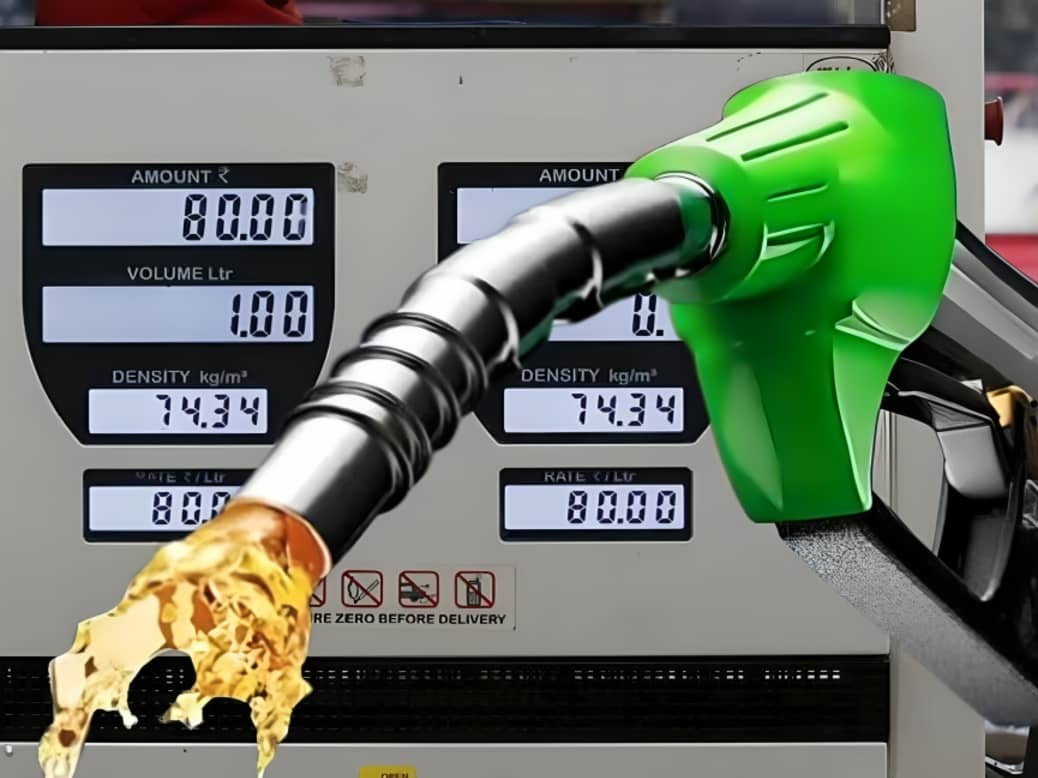
Experts note that while the decision may create favorable conditions for lower fuel costs, consumers may not witness immediate reductions in petrol prices. The actual impact on retail fuel prices will depend on several factors, including ethanol production costs, crude oil prices, distribution infrastructure, and market adoption rates.
India has made significant progress in ethanol blending over the past decade. The country has steadily increased the proportion of ethanol mixed with petrol, helping reduce foreign exchange expenditure on crude oil imports while creating additional income opportunities for farmers and agricultural producers.
Supporters of the policy argue that greater ethanol usage can contribute to environmental sustainability. Since ethanol is derived from renewable agricultural resources, it is often viewed as a cleaner alternative to conventional fossil fuels. Increased blending can help reduce greenhouse gas emissions and improve overall fuel efficiency in compatible vehicles.
The agriculture sector is also expected to benefit from higher ethanol demand. Increased production requirements could provide additional market opportunities for crops used in ethanol manufacturing, thereby supporting rural economies and agricultural incomes. Policymakers have frequently highlighted the role of ethanol blending in creating a stronger link between agriculture and energy production.
Industry analysts suggest that the success of the policy will depend on the development of adequate infrastructure for production, storage, transportation, and distribution. Fuel retailers and energy companies may need to expand their networks to ensure higher ethanol blends are readily available to consumers nationwide.
Global energy market conditions will continue to play an important role as well. Crude oil prices remain a major factor influencing retail fuel costs. Even if ethanol blending reduces some cost pressures, international oil price movements can significantly affect the final price consumers pay at fuel stations.
Automobile manufacturers have also been preparing for higher ethanol usage by developing engines and vehicle technologies capable of operating efficiently with increased ethanol blends. This transition is expected to support broader adoption of alternative fuels in the coming years.
Economists believe that the removal of excise duty represents another step in India's ongoing efforts to diversify its energy mix and strengthen energy security. By promoting domestic fuel production and reducing reliance on imported energy resources, the policy may contribute to long-term economic and environmental objectives.
While the immediate effect on petrol prices remains uncertain, the measure is expected to support the expansion of ethanol blending initiatives and create potential benefits for consumers, farmers, and the energy sector over the long term.