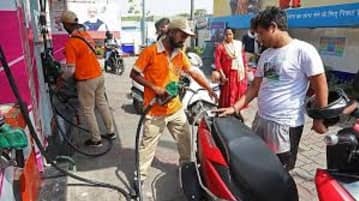
The government has issued a warning against the large-scale purchase of petrol and diesel from public fuel stations for industrial and commercial use. Authorities stated that such practices could affect regular consumers by creating fuel shortages in local markets and disrupting supply availability at retail outlets.
According to officials, fuel stations are primarily intended to meet the needs of ordinary vehicle owners and daily transportation requirements. When industries or commercial operators purchase fuel in unusually large quantities from retail pumps, it can place additional pressure on local fuel distribution systems.
The warning comes during a period of rising international crude oil prices following increased geopolitical tensions in the Middle East, particularly involving Iran. Global energy markets have experienced volatility in recent weeks, leading to concerns about fuel supply stability and price increases in several countries, including India.
Reports indicate that petrol and diesel prices in India have risen noticeably over recent weeks due to international market conditions. Rising crude oil prices generally impact transportation costs, logistics expenses, and inflation levels because fuel plays a critical role in economic activity.
Government officials emphasized that industries requiring fuel for operational purposes should follow approved bulk procurement procedures rather than relying on retail fuel stations. Commercial users are expected to obtain fuel through authorized industrial supply channels designed for larger-scale consumption.
Energy experts explained that retail fuel outlets operate based on expected local demand from consumers. Sudden increases in large-volume purchases can disrupt normal supply patterns, especially in urban and semi-urban regions where fuel demand is already high.
The government’s warning is also aimed at preventing panic buying and unnecessary stockpiling during periods of market uncertainty. Authorities stated that adequate fuel stocks are being monitored and that supply chains continue to function normally despite global market fluctuations.
Industry observers noted that geopolitical tensions often create short-term uncertainty in global oil markets. Countries dependent on crude oil imports, including India, closely monitor developments in oil-producing regions because international price changes can directly affect domestic fuel costs.
Fuel price increases can have broader economic consequences as transportation and production costs rise across multiple sectors. Industries such as logistics, aviation, agriculture, and manufacturing are particularly sensitive to fluctuations in fuel prices.
Experts believe maintaining stable fuel distribution is important to avoid disruptions in public transportation, emergency services, and essential supply chains. Authorities are therefore expected to continue monitoring fuel availability and purchasing patterns across regions.
Oil marketing companies have also reportedly strengthened coordination efforts to ensure uninterrupted supply at retail outlets. Consumers have been advised to avoid panic buying and purchase fuel only according to normal requirements.
The government’s latest advisory highlights the importance of maintaining balance between industrial demand and public consumption during periods of global market instability. Officials stated that strict action could be taken against unauthorized practices that affect fuel distribution or create artificial shortages.
Energy analysts believe India’s long-term focus on ethanol blending, electric vehicles, and alternative energy sources may help reduce dependence on imported crude oil in the future. However, conventional fuel remains essential for transportation and industrial activity at present.
As global crude oil markets continue to react to international developments, consumers and businesses are expected to closely monitor fuel prices and government policies related to energy management and supply stability.