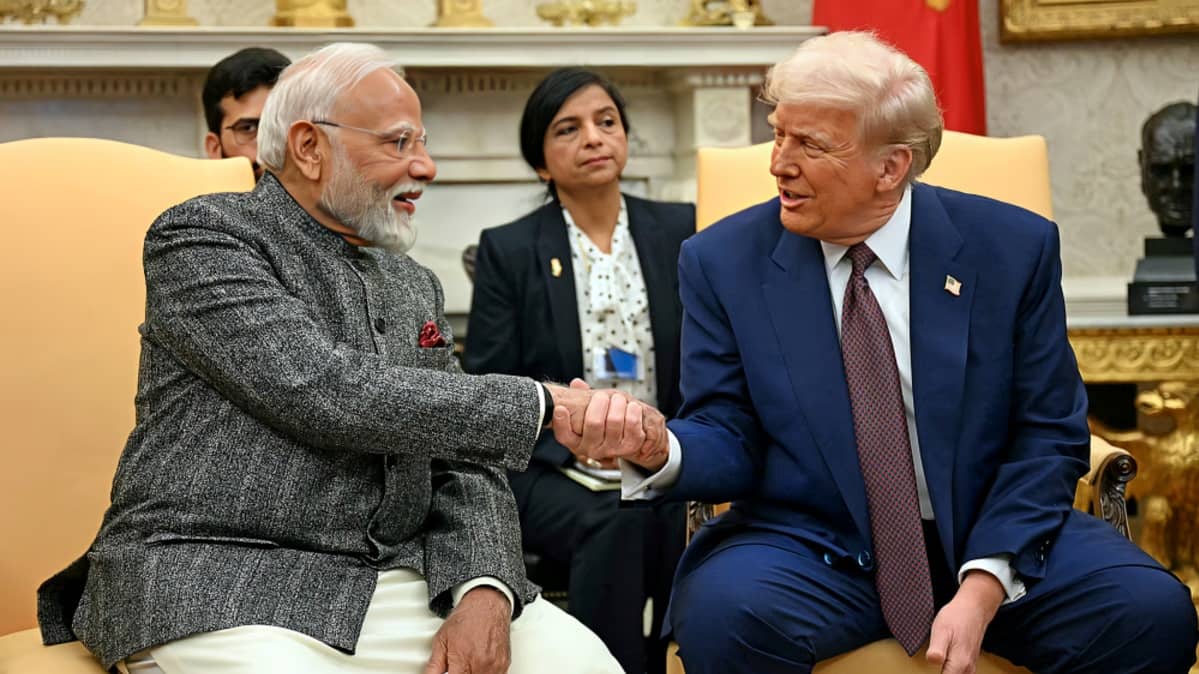
Trade negotiations between India and the United States have reached an advanced stage, with a senior US official stating that a bilateral trade agreement could be finalised within the next three to four months if ongoing discussions continue to progress. The statement reflects growing optimism on both sides as negotiators work to resolve remaining issues and strengthen economic cooperation between the two countries.
India and the United States have been engaged in multiple rounds of trade discussions aimed at expanding bilateral commerce, improving market access, encouraging investment, and reducing trade barriers. Officials from both governments have described the negotiations as constructive, although several technical and policy issues continue to be addressed before a final agreement can be concluded.
A comprehensive trade agreement is expected to cover a wide range of sectors, including goods, services, digital trade, agriculture, manufacturing, pharmaceuticals, technology, and investment. Negotiators are also discussing regulatory cooperation, customs procedures, intellectual property protection, supply chain resilience, and measures to facilitate cross-border business.
The United States is one of India's largest trading partners, while India represents an important market for American exports and investments. Bilateral trade between the two countries has expanded significantly over the past decade, supported by growing economic ties, strategic cooperation, and increasing business engagement across multiple industries.
Officials from both nations have consistently emphasized the importance of creating a balanced and mutually beneficial agreement. The objective is to promote greater economic opportunities for businesses while ensuring that the interests of domestic industries, workers, and consumers are adequately protected.
A successful trade agreement could further strengthen commercial relations by improving access to markets for exporters, encouraging foreign direct investment, enhancing supply chain integration, and promoting innovation through closer collaboration in emerging sectors. Industries such as information technology, renewable energy, electronics, healthcare, defense manufacturing, agriculture, and advanced manufacturing are expected to benefit from deeper economic cooperation.
Trade experts note that negotiations of this scale often involve detailed discussions on tariff structures, non-tariff barriers, standards, regulatory compliance, dispute resolution mechanisms, and investment protections. Reaching consensus on these issues typically requires extensive consultations between government officials, industry representatives, and other stakeholders.
The proposed agreement also comes at a time when both countries are seeking to strengthen economic resilience and diversify global supply chains. Increased cooperation between India and the United States is viewed by many analysts as part of a broader effort to promote stable and sustainable international trade while supporting long-term economic growth.
Business organizations in both countries have welcomed continued dialogue between the two governments, stating that greater trade liberalisation could create new opportunities for exporters, manufacturers, service providers, and investors. Industry groups have also called for transparent and predictable trade policies that facilitate cross-border commerce and reduce administrative burdens.
Although optimism has grown regarding the timeline for concluding the agreement, officials have indicated that negotiations will continue until all outstanding issues are satisfactorily resolved. Trade agreements of this nature generally require legal review, final approval by the respective governments, and completion of domestic procedural requirements before entering into force.
Economic analysts believe that a successful agreement could further enhance bilateral trade volumes, improve investor confidence, and deepen strategic economic cooperation between the world's largest democracy and one of the world's largest economies. Stronger trade relations may also contribute to job creation, technological collaboration, and increased competitiveness for businesses operating in both markets.
As negotiations continue, businesses and investors will closely monitor official announcements from both governments regarding the progress of discussions. Any final agreement is expected to reflect the shared objective of expanding economic partnership while supporting sustainable growth, innovation, and long-term commercial cooperation between India and the United States.