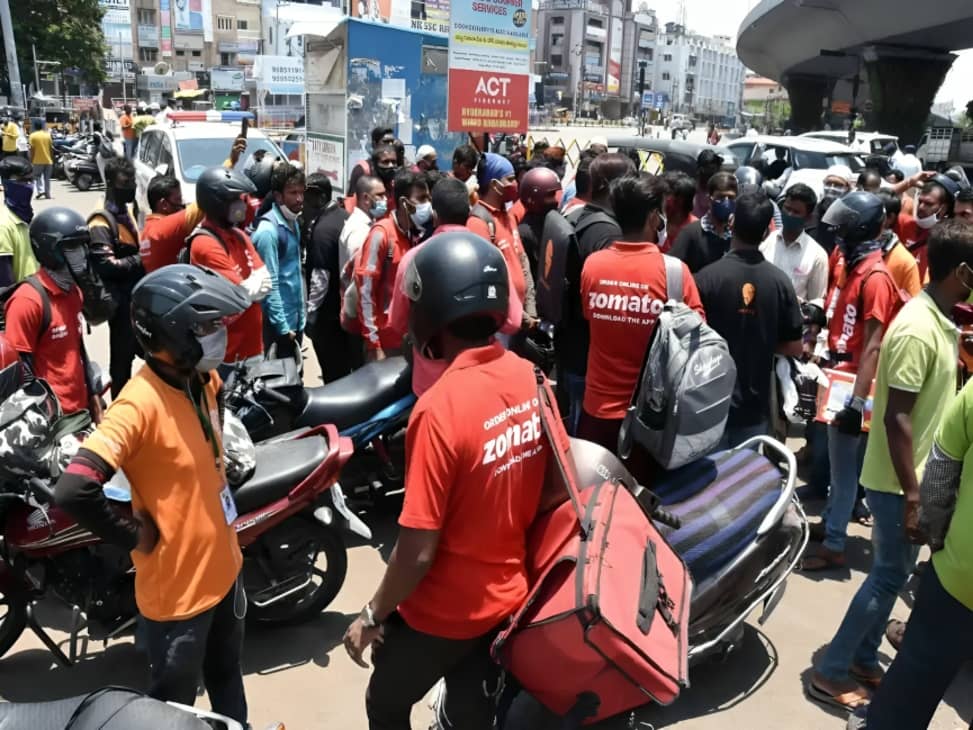
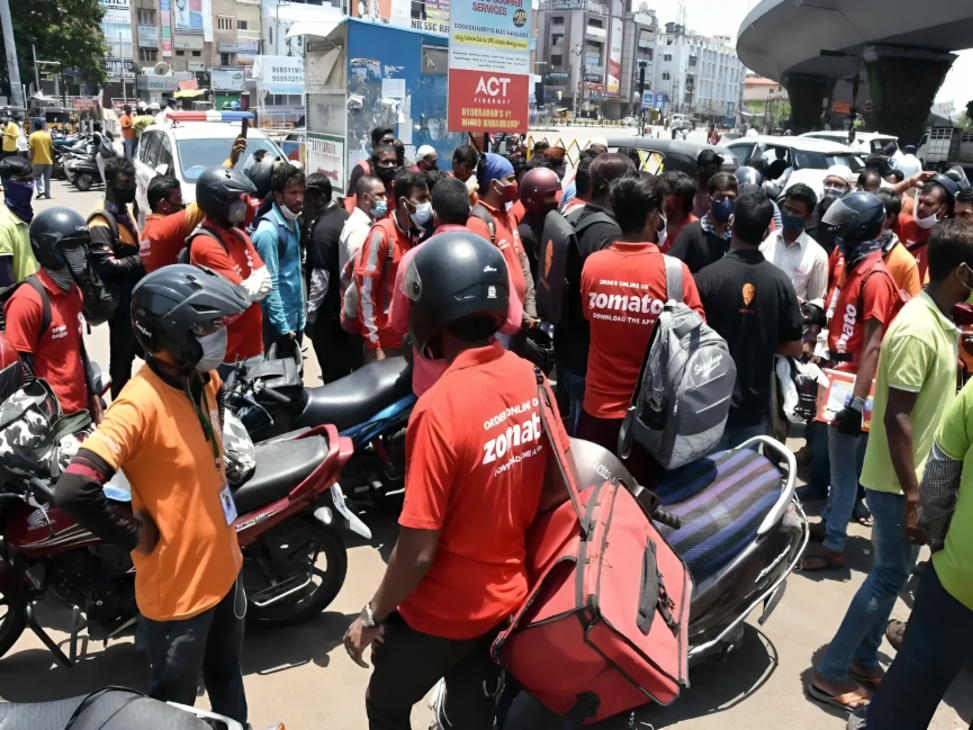
India’s quick commerce market is entering a new phase of expansion, with the sector projected to grow significantly over the next five years. According to a report released by Google and Redseer Strategy Consultants, India’s quick commerce market could reach between USD 70 billion and USD 90 billion by FY31. The upper end of the projection represents nearly seven times the estimated market size of around USD 13 billion in FY26.
The report indicates that monthly transacting users on quick commerce platforms could cross 100 million by FY31. The user base is expected to rise from approximately 40 million to 44 million in FY26. This growth is expected to come from two major areas. Metropolitan cities are likely to continue generating substantial demand, while non metro markets are expected to become increasingly important as quick commerce companies expand their delivery networks.
The eight major metropolitan markets are expected to contribute around 60 percent of the incremental gross merchandise value generated by the sector through FY31. These markets include Mumbai, Delhi NCR, Bengaluru, Chennai, Hyderabad, Kolkata, Pune and Ahmedabad. According to the report, these cities could contribute approximately USD 45 billion to USD 60 billion of the projected FY31 opportunity.
Quick commerce has traditionally been associated with grocery and daily household essentials delivered within a short period. However, the next stage of growth is expected to involve a broader range of products. Platforms are increasingly looking beyond small top up grocery purchases and attempting to capture larger household shopping requirements.
The Google and Redseer report expects non grocery categories to become a significant contributor to future growth. Categories such as beauty and personal care, home essentials and electronics are projected to grow from around USD 3 billion in FY26 to approximately USD 21 billion to USD 27 billion by FY31.
The expansion of non grocery categories could provide quick commerce companies with opportunities to increase average order values and diversify their revenue sources. Electronics accessories, beauty products, personal care items, baby products and other household categories can potentially generate larger purchases than routine grocery orders.
However, expanding into these categories will require platforms to address consumer concerns around product authenticity, availability, replacements and product discovery. Customers may be more cautious when purchasing higher value products through a quick delivery platform. Building trust and maintaining consistent service quality could therefore become increasingly important.
Non metro markets are also expected to play a major role in the sector’s expansion. The report estimates that the addressable market outside metropolitan areas includes around 200 million online shoppers across more than 300 cities. Monthly transacting users in these markets could increase to approximately 55 million to 60 million by FY31.
The growth opportunity in smaller cities is significant, but companies may face different challenges compared with metropolitan markets. Lower order values, lower population density, freshness concerns and consumer trust could affect the economics of quick commerce operations in these locations.
The ability to establish efficient fulfilment networks will therefore be important. Quick commerce platforms typically rely on local fulfilment centres or dark stores located close to customers. The model allows companies to keep commonly purchased products nearby and complete deliveries quickly.
Recent expansion by major companies shows that the industry is already moving beyond the largest cities. Flipkart Minutes, for example, has expanded its quick commerce network to more than 1,200 micro fulfilment centres across more than 150 cities. The company has also reported strong growth in smaller cities and an increasing contribution from categories beyond traditional groceries.
Amazon is also increasing its investment in India’s quick commerce segment. The company has announced plans to invest USD 3 billion through 2030 to expand its Amazon Now service. The investment is expected to support additional neighbourhood fulfilment centres, technology and inventory capabilities as the company competes with established players.
The growing competition indicates the importance that major retail and technology companies are placing on the sector. Blinkit, Swiggy Instamart, Zepto, Flipkart Minutes and Amazon Now are among the major services competing for customers. Reliance and Tata Group businesses are also participating in the broader rapid delivery and online retail market.
Despite the strong growth projections, the sector faces questions about profitability. Quick commerce requires substantial spending on fulfilment infrastructure, inventory, delivery networks and customer acquisition. Companies also need sufficient order density in each area to make local fulfilment centres economically viable.
In metropolitan markets, the challenge is increasingly linked to market maturity and competition. Companies need to encourage customers to place larger and more frequent orders rather than relying mainly on small emergency or top up purchases.
The Google and Redseer report suggests that planned monthly grocery baskets could become an important opportunity in metropolitan markets. Such purchases are generally larger than the small convenience orders that helped establish quick commerce. Capturing a greater portion of these planned household purchases could increase the overall value of the sector.
Metro retail penetration is also expected to increase. The report estimates that quick commerce could account for around 20 percent to 23 percent of metro retail spending by FY31, compared with approximately 6 percent currently.
The sector is also expected to remain active during major shopping periods. The report projects quick commerce sales could grow by around 110 percent year on year during the festive season and account for approximately 18 percent of total online festive spending.
At the same time, the industry will need to balance growth with operational efficiency. Smaller cities may offer considerable customer potential, but lower order values and more dispersed demand can make rapid delivery networks harder to operate profitably.
Consumer expectations will also continue to evolve. Quick commerce has already changed shopping behaviour in many urban markets by making rapid delivery a standard expectation for selected products. As platforms expand their product ranges, customers may increasingly expect the same speed for household goods, personal care products, electronics accessories and other categories.
The future growth of the sector will therefore depend on more than simply opening additional fulfilment centres. Companies will need to improve assortment, pricing, product quality, delivery reliability and customer trust. Local consumer preferences may also require different product selections and operating models in smaller cities.
Overall, the latest Google and Redseer projections indicate that quick commerce could become a much larger part of India’s retail economy by FY31. A market of up to USD 90 billion and a user base exceeding 100 million would represent a substantial expansion from current levels.
However, the projected growth should be viewed as an industry forecast rather than a guaranteed outcome. The actual size of the market will depend on consumer adoption, category expansion, competition, fulfilment economics and the ability of companies to build sustainable operations in both metropolitan and non metro markets.