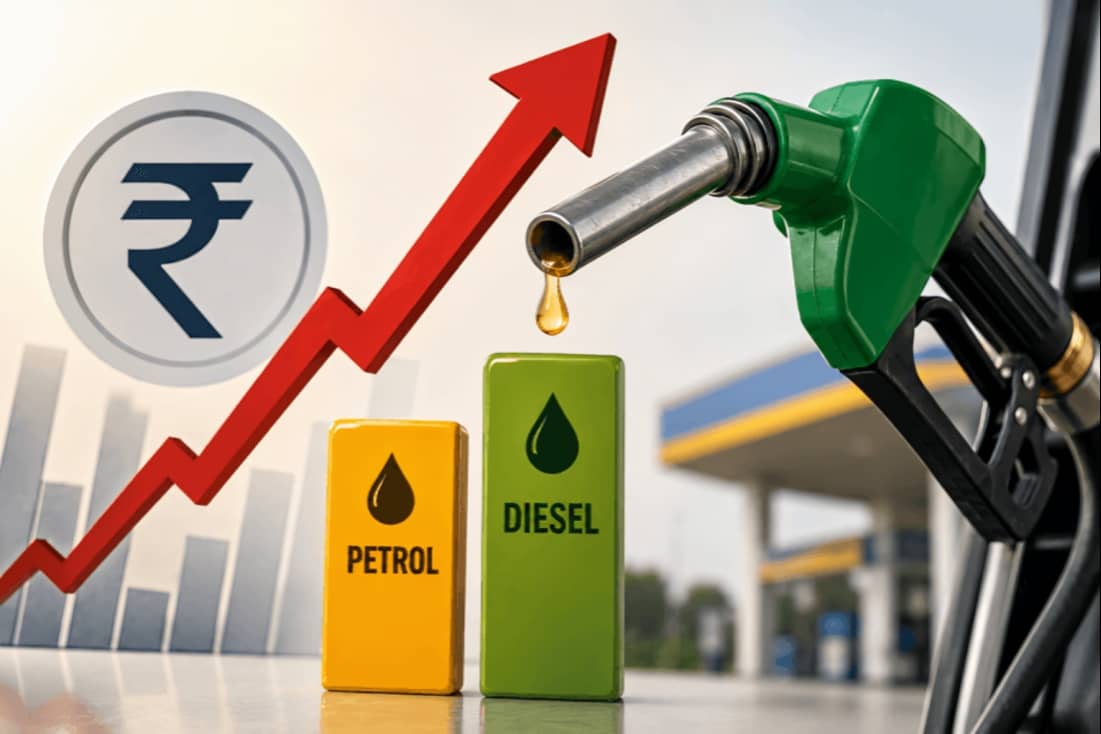
India’s fuel pricing pattern during the recent global energy crisis has drawn attention after reports showed that the country experienced relatively smaller fuel price increases compared to many major economies around the world. While several countries faced steep rises in petrol and diesel prices due to global crude oil volatility, India managed to limit the overall increase to a comparatively lower level.
The global oil crisis intensified due to geopolitical tensions, supply chain disruptions and fluctuations in international crude oil production. These developments led to significant increases in fuel prices across Europe, North America and several Asian nations. Rising fuel costs also contributed to inflationary pressure in many economies, affecting transportation, manufacturing and household expenses.
Despite these global challenges, India’s fuel pricing trend remained relatively more stable during certain phases of the crisis. Economic analysts say this was largely due to a combination of government policy decisions, excise duty reductions and the use of diversified crude oil sourcing strategies.
Experts note that India increased crude oil imports from multiple international suppliers to reduce dependence on any single market. Energy policy analysts also highlighted that strategic purchasing decisions and long term contracts helped cushion some of the impact caused by sudden global price spikes.
The Indian government had earlier reduced central excise duties on petrol and diesel in an effort to provide relief to consumers. Several state governments also adjusted local taxes during different periods, contributing to temporary price moderation in various regions.
Economists believe India’s approach reflected a balance between protecting consumers and managing fiscal pressures. Fuel prices remain an important political and economic issue in India because transportation costs directly influence inflation and the prices of essential goods.
However, analysts also point out that fuel prices in India continue to remain sensitive to international crude oil fluctuations because the country imports a large portion of its energy requirements. Changes in global oil supply, currency exchange rates and refining costs still significantly affect domestic fuel pricing.
During the height of the global energy crisis, many developed economies recorded rapid increases in petrol and diesel prices. In several countries, governments were forced to introduce subsidies, tax cuts or direct support measures to reduce public dissatisfaction over rising living costs.
India’s relatively moderate fuel price increases compared to some advanced economies became a major discussion point among economic observers. Supporters of the government’s energy strategy argue that careful policy planning and supply diversification helped maintain stability during a difficult international market environment.
Critics, however, maintain that fuel prices in India still remain high for many consumers when compared to income levels and purchasing power. Opposition political parties have repeatedly questioned fuel taxation policies and demanded additional relief measures for the public.
Energy experts suggest that India’s long term focus on renewable energy, electric mobility and alternative fuel programs could gradually reduce the country’s dependence on imported crude oil in the future. The government has already expanded investments in solar energy, ethanol blending initiatives and electric vehicle infrastructure as part of broader energy transition goals.
The global fuel market continues to remain uncertain because of ongoing geopolitical developments and changing production decisions by oil exporting nations. Analysts believe countries with strong energy diversification strategies and stable policy frameworks may be better positioned to manage future price shocks.
As fuel prices continue to influence inflation, transportation and household budgets, India’s energy policies are expected to remain closely watched by economists, businesses and consumers alike.