India’s retail inflation rose to 3.93 percent year on year in May, marking an increase from 3.48 percent recorded in April. The rise in inflation has been primarily attributed to higher food and fuel prices, which continue to influence household expenses across the country.
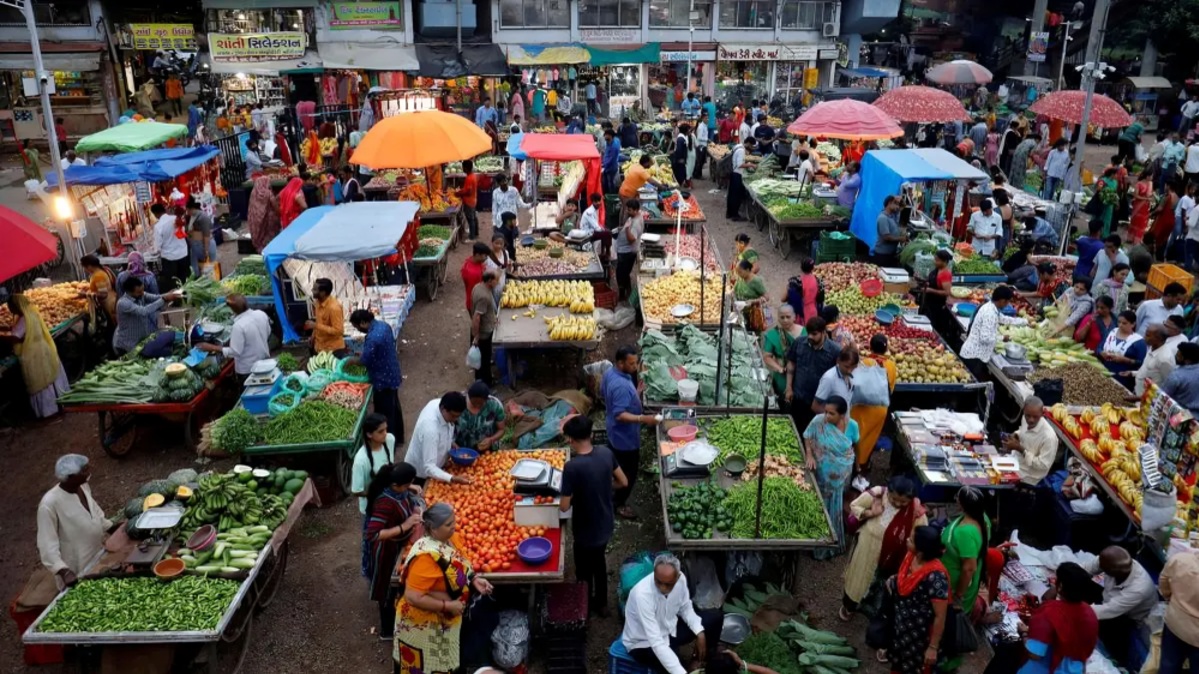
According to official data, food inflation increased to 4.78 percent in May compared to 4.2 percent in April. The upward pressure in food prices was driven by several essential commodities, including tomatoes, ginger, raisins and other dry fruits. These items recorded some of the highest price increases during the month, contributing significantly to the overall inflation trend.
Precious metal jewellery also witnessed higher price levels, adding to the broader increase in consumer costs. Analysts note that fluctuations in agricultural output, seasonal supply disruptions and rising transportation costs have collectively impacted food inflation in recent months.
Fuel prices have also played a key role in the increase in headline inflation. Retail petrol and diesel prices have been raised cumulatively in recent months, reflecting higher global crude oil prices and increased input costs. Since May, petrol prices have risen by approximately 7.4 percent while diesel prices have increased by around 8.4 percent.
The Reserve Bank of India has taken note of these developments and recently revised its inflation forecast for the current financial year to 5.1 percent, up from the earlier estimate of 4.6 percent. The central bank has cited higher global energy prices and their impact on domestic fuel costs as key factors behind the revision.
Officials have also highlighted that increases in fuel prices tend to have both direct and indirect effects on inflation. While direct impacts are immediately reflected in transportation and energy costs, second order effects influence the prices of goods and services across various sectors of the economy. These combined pressures are expected to be reflected in consumer price index inflation in the coming months.
Economists observe that inflation trends remain closely linked to global commodity markets, particularly crude oil, as well as domestic supply chain conditions. Any sustained increase in energy prices can place additional pressure on transportation, manufacturing and retail sectors, ultimately affecting consumer spending power.
Despite the recent rise, inflation remains within the Reserve Bank of India’s target range. However, policymakers continue to monitor price movements closely to ensure economic stability and control over inflationary pressures. Monetary policy decisions in the coming months are expected to take into account global economic conditions, food supply trends and fuel price movements.
The latest data suggests that while inflationary pressures are gradually building, they remain manageable for now. However, continued volatility in global energy markets and domestic supply fluctuations could influence future inflation trends.
Consumers are likely to experience varying levels of price changes across different categories, particularly in essential goods and fuel related expenses. Policymakers and financial institutions are expected to remain vigilant in managing inflation expectations while supporting overall economic growth.
The coming months will be crucial in determining whether inflation stabilizes or continues its upward trajectory, depending largely on global crude prices, monsoon performance and domestic supply conditions.