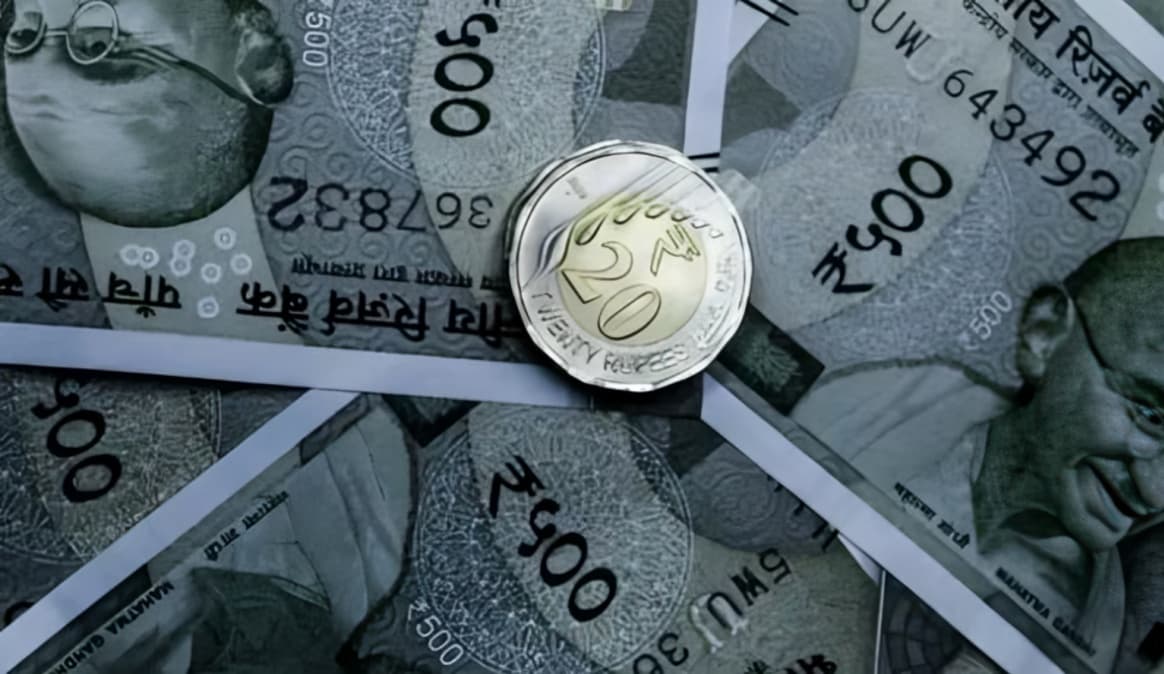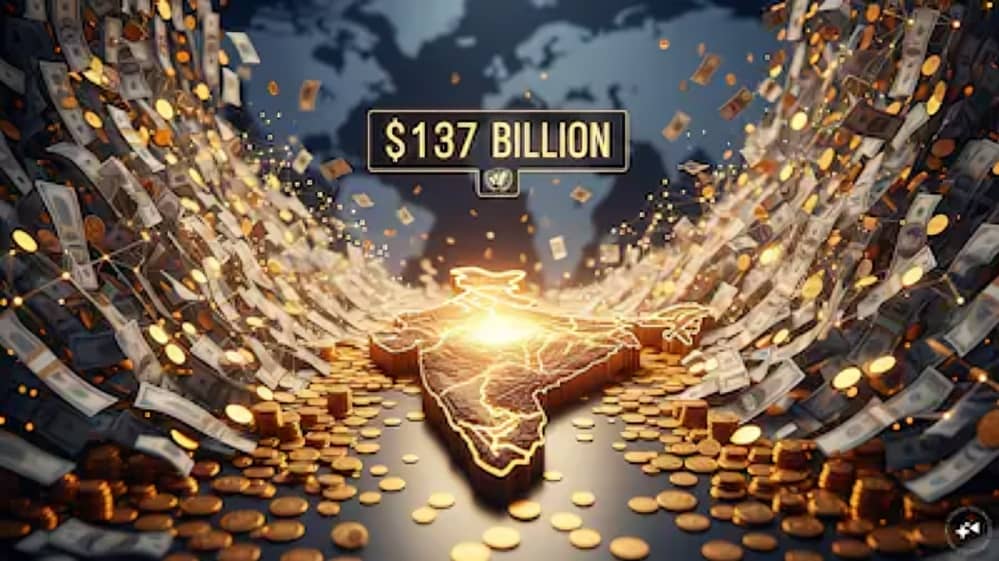
India has once again emerged as the leading recipient of global remittances in 2024, receiving an estimated 137 billion dollars, according to a report by the United Nations. This achievement highlights the significant role played by the Indian diaspora in contributing to the country’s economy through financial transfers from abroad.
Remittances refer to money sent by individuals working in foreign countries to their families or communities in their home country. These funds are often used to support daily expenses, education, healthcare, and investments, making them a vital source of income for millions of households.
India’s position at the top of the remittance list reflects the large number of Indians living and working overseas. The diaspora is spread across various regions, including the Middle East, North America, Europe, and Southeast Asia. Their consistent contributions have helped maintain a steady flow of foreign exchange into the country.
Following India, countries such as Mexico, Philippines, and France were identified as the next largest recipients of remittances. These nations also benefit from strong diaspora networks and have seen substantial inflows over the years.
The growth in remittances is often influenced by global economic conditions, employment opportunities abroad, and currency exchange rates. In recent years, improvements in digital payment systems have also made it easier and faster for individuals to send money across borders. This has contributed to increased transparency and efficiency in remittance transfers.
Experts note that remittances play a crucial role in strengthening the economy by supporting consumption and improving living standards. In many cases, these funds help families meet essential needs and provide financial stability. They also contribute to local economic activity by increasing spending in rural and urban areas alike.
In addition to their impact on households, remittances contribute to the country’s foreign exchange reserves. A steady inflow of foreign currency helps maintain economic stability and supports the balance of payments. This makes remittances an important factor in overall economic planning and policy making.
The report also highlights the resilience of remittance flows, even during periods of global uncertainty. Despite challenges such as economic slowdowns and geopolitical tensions, remittances have remained relatively stable, demonstrating the commitment of overseas workers to support their families.
Looking ahead, the trend of strong remittance inflows is expected to continue, supported by the growing global presence of skilled and unskilled Indian workers. Government initiatives aimed at supporting the diaspora and improving financial systems may further enhance these inflows.
However, experts also emphasize the importance of creating opportunities within the country to reduce overdependence on external income sources. Strengthening domestic employment and economic growth remains a key priority.
Overall, India’s position as the top remittance recipient underscores the importance of its global workforce and the strong connections maintained by the diaspora. The continued inflow of funds plays a vital role in supporting economic development and improving the quality of life for millions of people across the country.