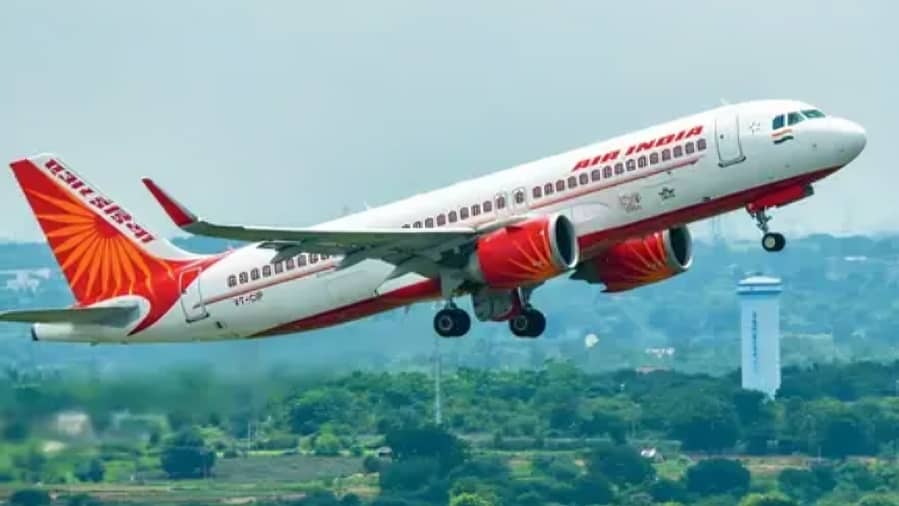

Indian airline companies have reportedly urged state run oil refiners to delay any proposed increase in Aviation Turbine Fuel prices for domestic flight operations amid continuing geopolitical tensions in West Asia. The request comes at a time when global energy markets are experiencing volatility due to concerns surrounding regional conflicts and their potential impact on crude oil supplies.
According to reports, airline operators are worried that any immediate increase in jet fuel prices could significantly raise operational costs for the aviation sector. Aviation Turbine Fuel, commonly known as ATF, remains one of the largest expense components for airlines, often accounting for a major share of total operating costs.
The aviation industry has been closely monitoring developments in global oil markets as tensions in the Middle East continue to influence international crude oil prices. Any sustained increase in crude oil rates usually affects ATF prices, leading to higher expenditure for airlines and possible increases in passenger ticket fares.
Indian carriers have reportedly requested oil marketing companies to consider maintaining current fuel prices temporarily until regional conditions stabilise. Airline executives are understood to have highlighted the importance of avoiding sudden cost increases during a period when the aviation sector is still managing competitive pressures and fluctuating passenger demand.
The Middle East remains one of the world’s most important regions for crude oil production and energy exports. Geopolitical instability in the region often creates uncertainty in global commodity markets, particularly in sectors such as aviation, shipping and transportation.
Industry experts note that ATF prices directly affect airline profitability because fuel costs are difficult to absorb for long periods without adjustments in ticket pricing. If fuel prices rise sharply, airlines may eventually be forced to increase fares or reduce operational margins to manage expenses.
Indian airlines have witnessed steady growth in passenger traffic in recent years, with domestic air travel demand continuing to expand across major cities and regional routes. However, rising operating expenses including fuel, maintenance and airport charges remain key financial challenges for carriers.
Aviation analysts believe that postponing fuel price hikes could provide temporary relief to airlines during a period of global economic uncertainty. Stable fuel pricing may also help airlines avoid immediate fare increases for passengers, especially during busy travel seasons.
State run oil companies regularly revise ATF prices based on international crude oil trends, foreign exchange fluctuations and market conditions. Changes in global supply chains or geopolitical developments can therefore quickly influence fuel pricing decisions in the aviation sector.
The situation is also being closely watched by passengers and travel operators because higher ATF prices often translate into increased airfares. Tourism and business travel industries generally prefer stable fuel costs to support affordable ticket pricing and travel demand.
Economic experts note that prolonged geopolitical tensions in energy producing regions can have wider consequences for transportation and logistics sectors worldwide. Airlines across several countries are currently evaluating fuel management strategies and operational planning amid uncertainty in international oil markets.
Meanwhile, the Indian aviation industry continues discussions with fuel suppliers and policymakers regarding ways to manage operational costs and maintain sustainable growth. Industry representatives have frequently called for long term measures to reduce the financial burden of high fuel taxation and volatile ATF pricing.
As global energy markets remain sensitive to developments in West Asia, airlines and oil companies are expected to closely monitor crude oil trends before making further decisions regarding aviation fuel prices in India.