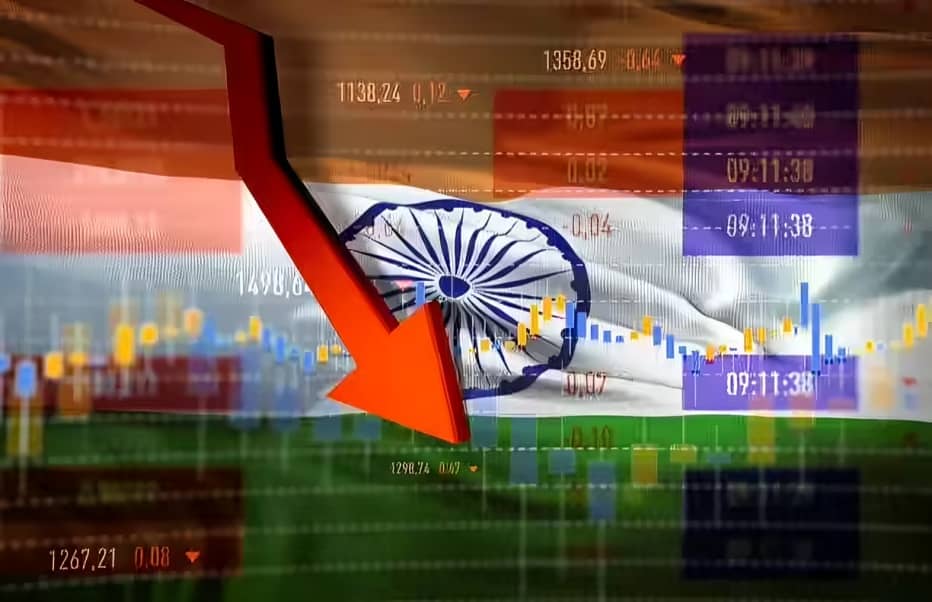
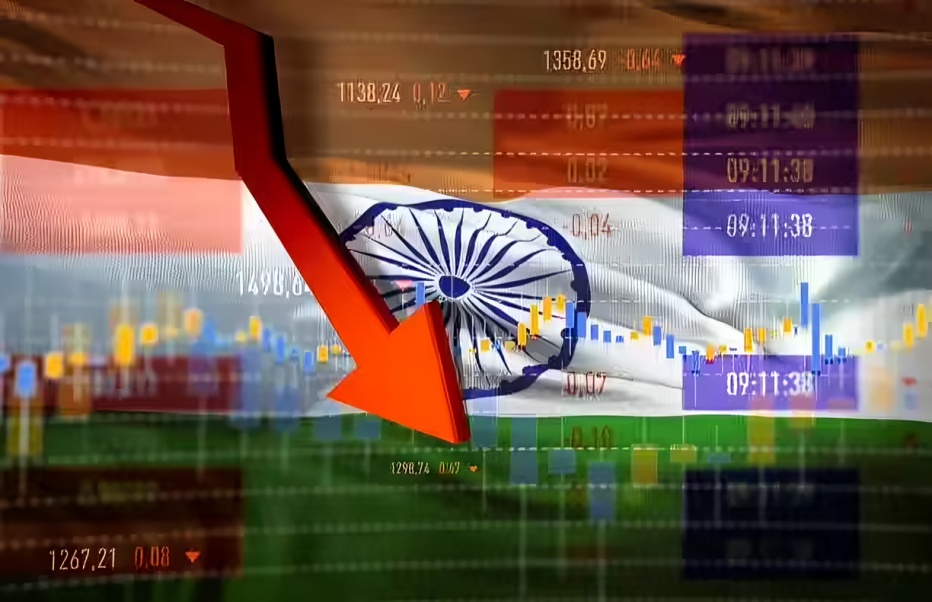
Global research agency BMI has projected that escalating geopolitical tensions involving Iran and the broader West Asian region could affect India’s economic growth trajectory in the coming financial year.
According to the latest assessment by BMI, India’s Gross Domestic Product growth may slow to approximately 6.7 percent in FY27 if regional instability continues and global energy prices remain elevated. The report highlighted that prolonged geopolitical uncertainty could place pressure on fuel imports, inflation and overall economic activity.
India remains one of the world’s largest importers of crude oil, with a significant portion of its energy supplies coming from West Asia. Any disruption in the region can directly influence international oil prices, shipping costs and supply chains, which in turn affect domestic inflation and industrial expenses.
Despite the concerns regarding FY27, BMI noted that India’s economy performed better than expected during the January to March quarter of 2026. The research agency estimated that the Indian economy grew by around 8 percent year on year during the quarter, exceeding its earlier projection of 7.8 percent.
Economic analysts believe the stronger growth in the recent quarter was supported by domestic consumption, infrastructure spending and stable economic activity across multiple sectors. However, experts caution that external geopolitical risks could create challenges in maintaining high growth momentum in the future.
Higher crude oil prices remain one of the primary concerns for the Indian economy. Rising energy costs can impact transportation, manufacturing, logistics and consumer prices. Economists warn that sustained increases in fuel prices could also contribute to inflationary pressure and affect household spending patterns.
The report by BMI also pointed to the possibility of disruptions in global trade routes and maritime shipping channels if tensions in West Asia intensify further. Such disruptions could affect imports, exports and international trade costs for multiple countries, including India.
Financial experts noted that global uncertainty often influences investor sentiment and capital flows into emerging markets. Volatility in international markets may affect foreign investments, currency stability and stock market performance.
The Indian government has repeatedly stated that it closely monitors global energy markets and geopolitical developments to ensure economic stability and uninterrupted fuel supplies. Officials have also emphasized efforts to diversify energy sources and strengthen strategic petroleum reserves.
Economists believe India’s domestic demand, manufacturing expansion and infrastructure development continue to provide support for long term economic growth. However, global events such as geopolitical conflicts and commodity price fluctuations can still create short term economic pressure.
Industry observers say sectors heavily dependent on imported fuel and international trade could face greater impact if regional instability continues for an extended period. Aviation, transportation and manufacturing industries are considered particularly sensitive to crude oil price movements.
The International Monetary Fund and several other economic agencies have also previously highlighted geopolitical tensions as a major risk factor for global growth and inflation trends. Markets across the world remain highly responsive to developments involving oil producing regions.
Analysts suggest that India’s economic performance in the coming years will depend on a balance between strong domestic fundamentals and evolving international conditions. Policy decisions related to inflation management, energy security and infrastructure investment are expected to remain important.
The latest projection by BMI underscores how global geopolitical developments can influence emerging economies through energy markets, trade networks and investor confidence. Experts believe continued monitoring of international developments will be essential for assessing future economic growth prospects.