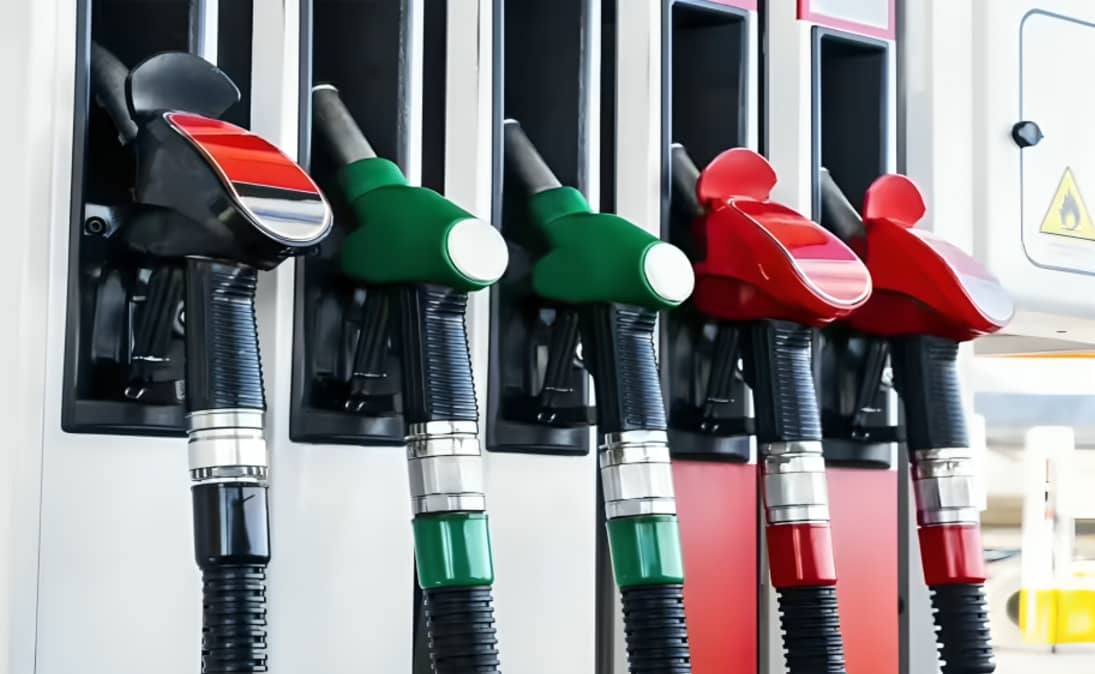

The Ministry of Petroleum and Natural Gas has assured citizens that there is no shortage of petrol and diesel across India, amid concerns raised following a recent government notification related to fuel storage limits. Officials emphasized that fuel supplies remain stable and that consumers do not need to worry about the availability of petroleum products.
According to the ministry, oil marketing companies continue to maintain adequate fuel stocks across the country. Distribution networks are functioning normally, and supply chains remain operational to ensure uninterrupted availability of petrol and diesel at retail outlets. The government reiterated that current inventories are sufficient to meet both regular demand and any temporary increase in consumption.
The clarification came after discussions surrounding a notification that placed restrictions on the quantity of fuel that can be stored by individuals. Under the temporary measure, an individual may store up to 200 litres of fuel under specified conditions. Authorities have explained that the notification is intended as a regulatory and precautionary measure rather than an indication of any supply shortage.
Government officials stated that the order will remain in force for a period of 90 days. During this period, relevant departments will continue to monitor fuel distribution, storage practices, and market conditions. The measure is aimed at ensuring safety, maintaining proper stock management, and preventing any unnecessary disruption in the supply chain.
Industry experts note that fuel availability plays a critical role in supporting transportation, agriculture, manufacturing, and other sectors of the economy. Any concerns regarding shortages can sometimes lead to panic buying, which may temporarily affect local supply conditions even when adequate stocks are available. As a result, authorities often issue clarifications to reassure consumers and maintain normal purchasing patterns.
India has one of the largest fuel distribution networks in the world, supported by refineries, storage facilities, pipelines, transportation infrastructure, and retail fuel stations. Oil marketing companies regularly review stock levels and logistics arrangements to ensure that petroleum products remain available across urban and rural regions.
Officials also highlighted that fuel supply management involves close coordination among central government agencies, state authorities, refiners, and marketing companies. This coordinated approach helps maintain stability in the market and supports the uninterrupted movement of essential goods and services throughout the country.
Economic analysts have pointed out that fuel availability remains an important factor in overall economic activity. Stable supplies contribute to predictable transportation costs and support business operations across multiple sectors. Therefore, maintaining public confidence in fuel distribution systems is considered an important aspect of energy management.
The ministry urged consumers to rely on official information and avoid speculation regarding fuel availability. Authorities emphasized that there is no need for unusual purchasing behavior, as fuel stations continue to receive regular supplies through established distribution channels.
The government has reaffirmed its commitment to ensuring energy security and maintaining adequate reserves to meet national demand. Officials indicated that they will continue to monitor market developments and take necessary measures to safeguard the interests of consumers and businesses.
With the ministry confirming that petrol and diesel stocks remain sufficient, consumers across the country have been assured that fuel supplies are stable and that the temporary storage notification should not be interpreted as a sign of any nationwide shortage.