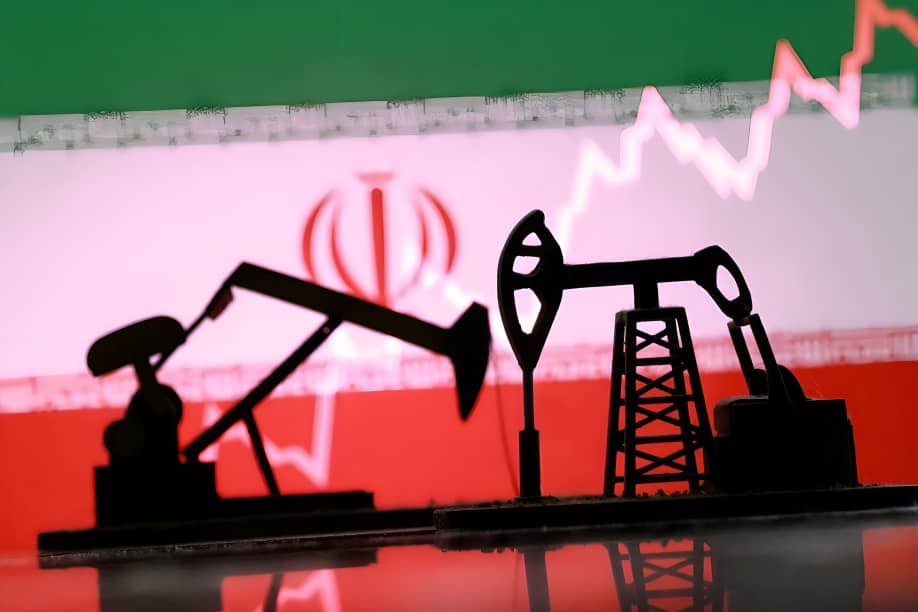

Global oil prices witnessed a notable decline, falling below 110 dollars after dropping nearly 6 percent within a span of 48 hours. The sharp movement in prices came amid signals of potential progress in discussions between the United States and Iran, which could lead to improved oil supply conditions in the global market.
The decline reflects changing expectations among market participants regarding future supply levels. When there are concerns about disruptions, prices tend to rise due to uncertainty. However, indications of easing tensions or increased production often lead to a correction in prices, as seen in the recent trend.
Reports suggest that diplomatic engagement between the two countries has raised hopes of a possible agreement that could allow greater oil exports from Iran. Such a development would add to global supply, helping to balance demand and reduce pressure on prices. The possibility of improved oil flows has been a key factor influencing the market’s reaction.
Global energy markets are highly sensitive to geopolitical developments, particularly in regions that play a major role in oil production and distribution. Any changes in policy, agreements, or conflicts can have immediate effects on pricing and supply dynamics. The recent fall in oil prices highlights how quickly markets can respond to new information.
For countries that rely on oil imports, lower prices can provide economic relief by reducing the cost of energy. This can have a positive impact on inflation and overall economic stability. At the same time, oil producing nations may experience reduced revenues when prices decline, affecting their fiscal balance.
Market analysts note that while the current drop is significant, oil prices remain influenced by multiple factors. These include production levels by major oil producing countries, global demand trends, and broader economic conditions. Investors are likely to remain cautious as they assess the sustainability of the recent decline.
The situation also underscores the importance of diplomatic relations in shaping global energy markets. Agreements between key nations can influence supply chains and impact economies worldwide. As discussions between the United States and Iran continue, further developments are expected to guide market trends.
In addition to geopolitical factors, technological advancements and shifts toward alternative energy sources are gradually influencing the long term outlook for oil. However, in the short term, crude oil remains a critical component of the global energy mix, making price movements highly relevant for economies and industries.
Experts suggest that volatility in oil prices may persist as negotiations and policy decisions evolve. Traders and policymakers will be closely monitoring updates related to international relations and production strategies. Any confirmation of agreements or changes in export policies could lead to further adjustments in prices.
Overall, the recent drop in oil prices reflects the dynamic nature of global energy markets. The possibility of increased supply due to improved relations between key countries has eased immediate concerns, but uncertainty remains. As the situation develops, oil prices are expected to continue responding to both geopolitical and economic factors.