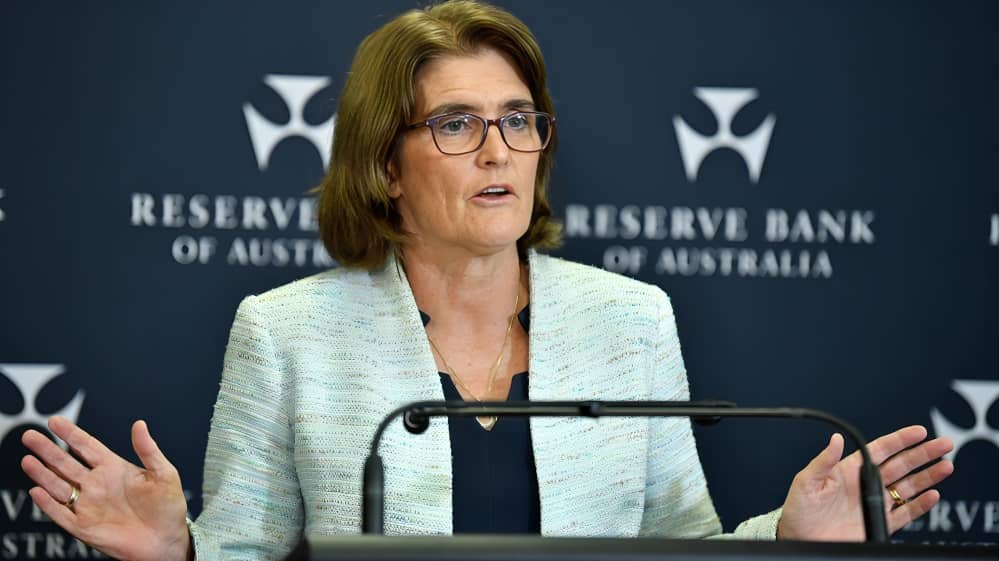
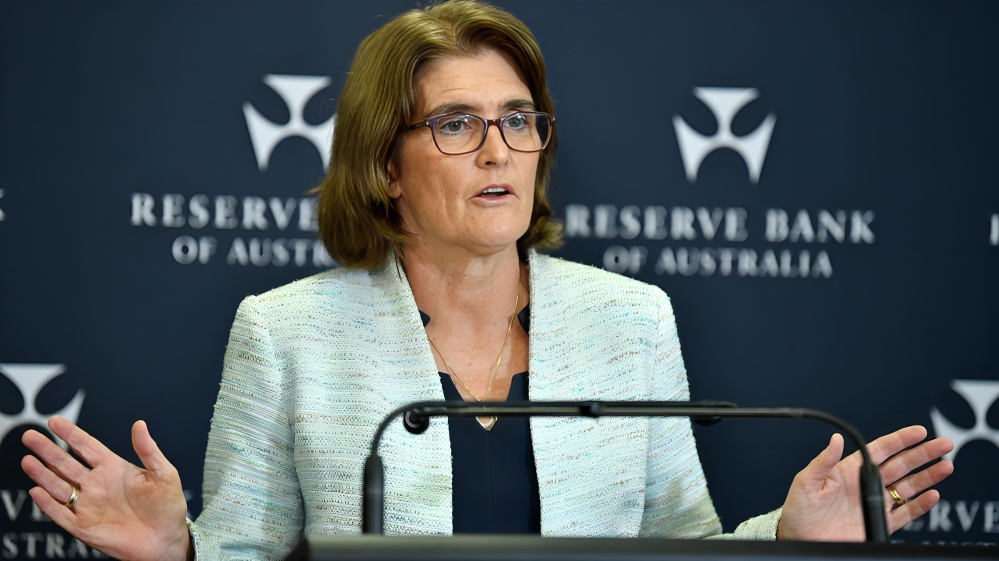
The Reserve Bank of Australia has implemented its third consecutive interest rate hike, marking a clear shift in monetary policy and signalling the end of the low interest rate environment that had been in place in recent years. The central bank had previously reduced rates in 2025 to support economic growth, but the recent series of increases has effectively reversed those measures.
Interest rate changes are one of the primary tools used by central banks to manage economic conditions. By raising rates, the Reserve Bank of Australia aims to control inflation, which has been a concern in many economies globally. Higher interest rates typically make borrowing more expensive, which can reduce spending and help stabilise prices.
The latest rate hike follows similar increases in February and March, indicating a consistent approach by the central bank. Analysts interpret this as a sign that policymakers are focused on maintaining long term economic stability rather than short term growth. The move also aligns with broader global trends, as several central banks have tightened monetary policy in response to inflationary pressures.
The decision is expected to have multiple effects on the economy. For households, higher interest rates may lead to increased costs for loans, including mortgages and personal credit. This can influence spending patterns, as consumers may choose to reduce expenses in response to higher repayment obligations.
For businesses, the impact may be seen in borrowing costs and investment decisions. Companies often rely on loans for expansion and operations, and higher rates can affect their ability to invest. At the same time, stable inflation is considered beneficial for long term planning and economic growth.
Financial markets also tend to respond to changes in interest rates. Investors closely monitor central bank decisions, as they can influence currency values, stock markets and bond yields. The Reserve Bank of Australia’s move may have implications beyond the domestic economy, affecting global financial dynamics.
The reversal of the 2025 rate cuts highlights the changing economic environment. While earlier measures were aimed at supporting growth during uncertain conditions, the current focus has shifted towards controlling inflation and ensuring stability. This transition reflects the evolving challenges faced by policymakers.
Economists note that central banks must strike a balance between promoting growth and maintaining price stability. Decisions on interest rates are often influenced by a range of factors, including inflation levels, employment data and global economic conditions.
The Australian economy, like many others, is navigating a complex landscape marked by shifting demand patterns and external influences. The central bank’s actions indicate a cautious approach aimed at preventing overheating while sustaining economic momentum.
Looking ahead, further rate changes will depend on how economic indicators evolve. If inflation remains high, additional tightening measures could be considered. Conversely, signs of slowdown may lead to a pause in rate hikes.
Overall, the recent actions by the Reserve Bank of Australia signal a significant shift in monetary policy. The move away from a low interest rate environment underscores the importance of maintaining economic balance in a changing global context.