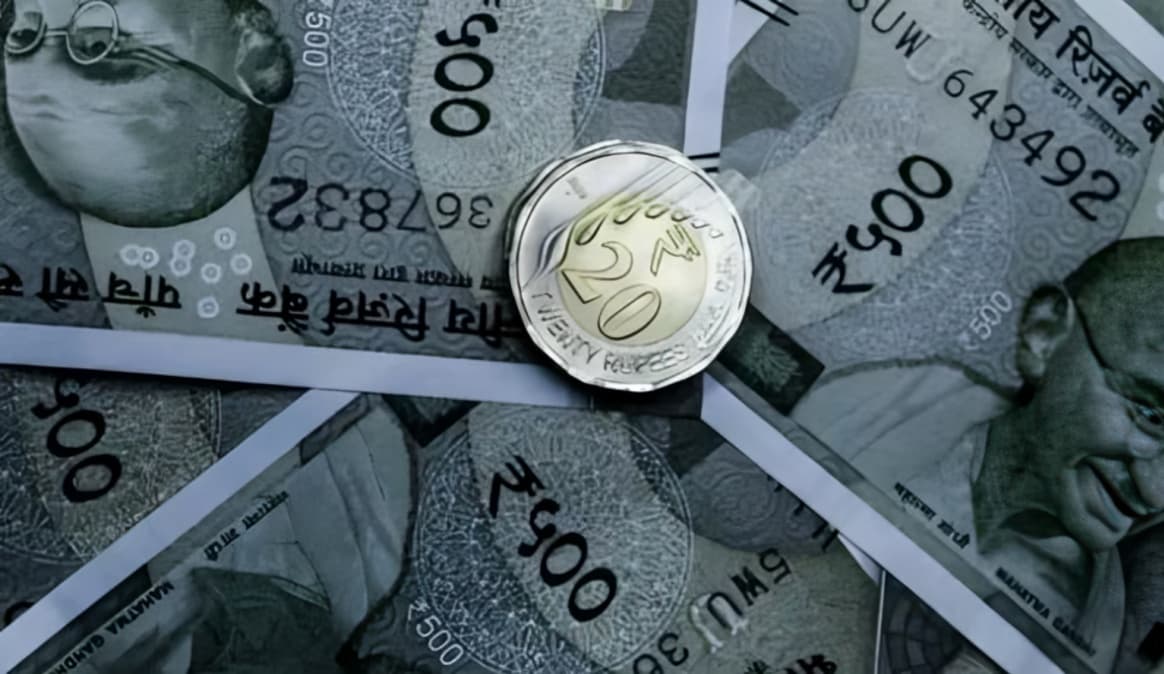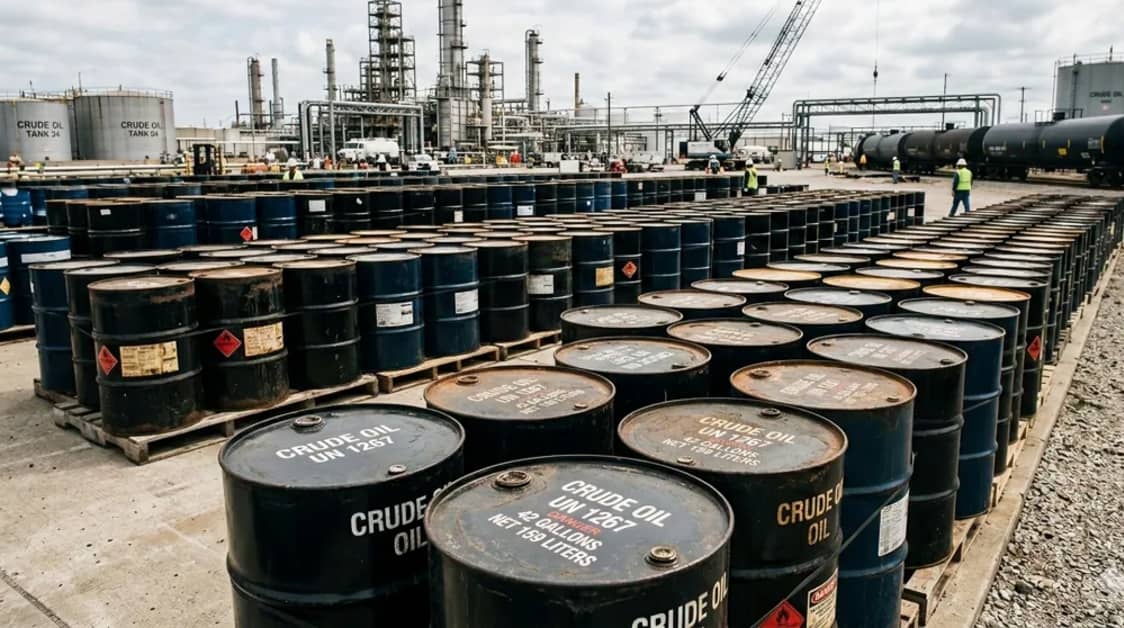

Global crude oil prices have been moving higher in recent weeks, raising concerns about their potential impact on India's economy, stock markets, and currency. Since India imports a large portion of its crude oil requirements, sustained increases in international oil prices can influence inflation, trade balances, and overall economic activity.
Despite these concerns, several market experts believe that the Indian rupee is unlikely to depreciate to the Rs 100 per US dollar level in the near future. They point to India's strong macroeconomic fundamentals, healthy foreign exchange reserves, prudent monetary policy, and stable capital inflows as important factors supporting the domestic currency.
Crude oil is one of India's largest import items. When global oil prices increase, the country's import bill also rises, requiring higher payments in foreign currency. This can widen the current account deficit and place downward pressure on the rupee if higher import costs persist over an extended period.
Higher crude prices may also contribute to inflation because fuel costs influence transportation, manufacturing, agriculture, logistics, and several other sectors of the economy. Businesses facing increased operating costs may pass on some of these expenses to consumers, resulting in higher prices for goods and services.
However, economists note that the exchange rate is determined by multiple factors rather than oil prices alone. Foreign investment, export performance, remittances from overseas Indians, monetary policy decisions, global interest rates, and overall investor confidence also play significant roles in influencing the value of the rupee.
Experts argue that India's foreign exchange reserves provide an important buffer against excessive currency volatility. The Reserve Bank of India has, on several occasions, intervened in the foreign exchange market to manage sharp fluctuations and ensure orderly market conditions. Such interventions can help reduce excessive short term volatility without targeting a fixed exchange rate.
In addition to central bank measures, India's diversified economy and relatively strong domestic demand continue to provide support during periods of global uncertainty. Stable economic growth, expanding manufacturing activity, and continued investment in infrastructure have strengthened investor confidence in the Indian economy.
Equity market analysts believe that rising oil prices could create short term pressure on sectors heavily dependent on fuel and energy costs, including aviation, transportation, paints, chemicals, and certain manufacturing industries. On the other hand, energy producers and oil exploration companies may benefit from stronger crude prices, depending on prevailing market conditions and government policies.
Market participants are also closely monitoring developments in global energy markets, geopolitical tensions, production decisions by major oil producing countries, and demand trends from large economies. These factors continue to influence international crude prices and overall market sentiment.
While higher crude oil prices may temporarily affect market performance and corporate profitability, experts believe that a combination of prudent fiscal management, strong banking sector stability, and effective monetary policies should help India navigate external challenges. They caution, however, that prolonged periods of elevated oil prices could require closer monitoring of inflation and external balances.
Overall, analysts expect crude oil prices to remain an important factor influencing Indian financial markets in the coming months. Nevertheless, most experts do not currently foresee the rupee weakening to Rs 100 against the US dollar, provided existing economic fundamentals remain broadly stable and external conditions do not deteriorate significantly.