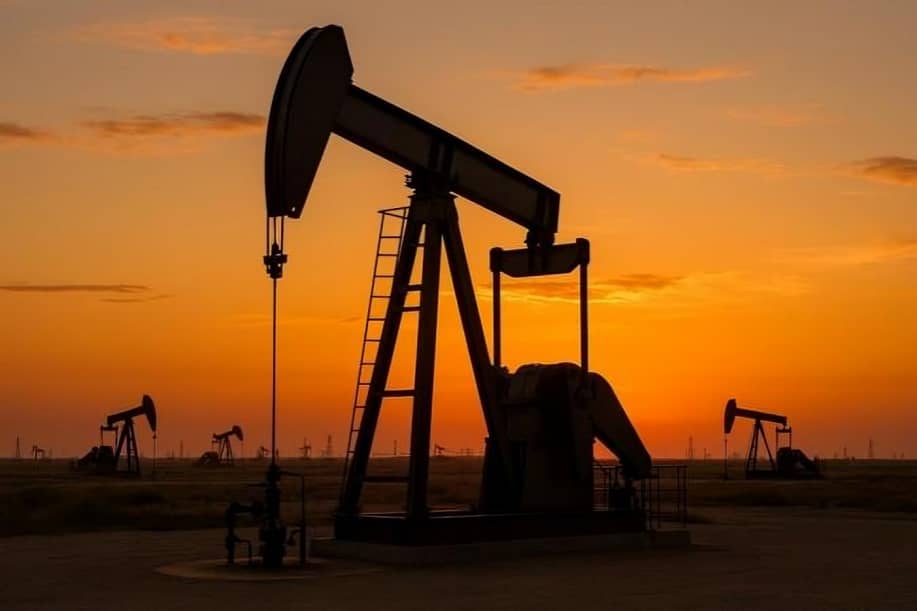

The continued rise in global crude oil prices amid escalating tensions in West Asia has once again brought attention to the potential economic challenges facing India. Analysts and energy experts believe the increase in oil prices could significantly influence inflation, fuel costs, imports, and overall economic stability in the country.
India is one of the world’s largest importers of crude oil and depends heavily on international markets to meet its energy requirements. As a result, any major fluctuation in global oil prices directly affects the Indian economy, including transportation costs, industrial production expenses, and household fuel prices.
Recent geopolitical developments in West Asia have intensified uncertainty in global energy markets. Concerns over supply disruptions, regional instability, and international trade routes have contributed to the sustained increase in crude oil prices worldwide.
Economic experts say higher oil prices can place pressure on India’s trade deficit because the country spends a large amount of foreign currency on importing crude oil. Rising import bills may also affect the value of the Indian rupee and increase pressure on foreign exchange reserves.
Prime Minister Narendra Modi recently appealed to citizens to adopt fuel saving practices amid the ongoing global oil crisis. The appeal focused on reducing unnecessary fuel consumption and promoting energy conservation as part of broader efforts to manage the impact of rising energy costs.
Analysts believe fuel saving measures can help reduce domestic fuel demand to some extent, although international oil prices remain the primary factor determining fuel costs in the country. Economists note that periods of high oil prices often influence inflation because transportation and logistics expenses rise across multiple sectors.
Higher crude oil prices can affect prices of essential commodities, consumer goods, and industrial products due to increased transportation and production costs. This may create inflationary pressure, impacting household budgets and business operations.
India’s energy sector has been actively working to diversify energy sources through renewable energy projects, electric mobility initiatives, and domestic energy development. Experts believe reducing dependence on imported fossil fuels remains a long term priority for strengthening economic resilience.
The Reserve Bank of India and financial policymakers are also expected to closely monitor inflation trends, currency movements, and global commodity prices while shaping economic strategies during volatile international conditions.
Energy market analysts point out that crude oil prices are influenced by multiple factors, including global demand, production decisions by oil producing nations, geopolitical tensions, shipping routes, and international economic growth.
India’s efforts to increase renewable energy capacity through solar, wind, and green hydrogen projects are viewed as important steps toward reducing vulnerability to global oil market fluctuations in the future. However, experts acknowledge that crude oil will continue to remain critical for transportation and industrial sectors for the foreseeable future.
Business leaders and economists are also closely observing how prolonged high oil prices may impact economic growth, manufacturing costs, and consumer spending patterns. Rising energy prices often create challenges for industries heavily dependent on fuel and transportation.
Meanwhile, global investors continue monitoring developments in West Asia and international energy markets because oil price fluctuations influence economies around the world. Financial markets frequently react strongly to geopolitical tensions involving major oil producing regions.
Experts stress that maintaining stable foreign exchange reserves, encouraging energy efficiency, and expanding domestic clean energy infrastructure remain important strategies for managing long term economic risks linked to crude oil dependence.
As global uncertainty continues, crude oil prices and their impact on India’s economy are expected to remain major topics of discussion among policymakers, businesses, and financial experts.