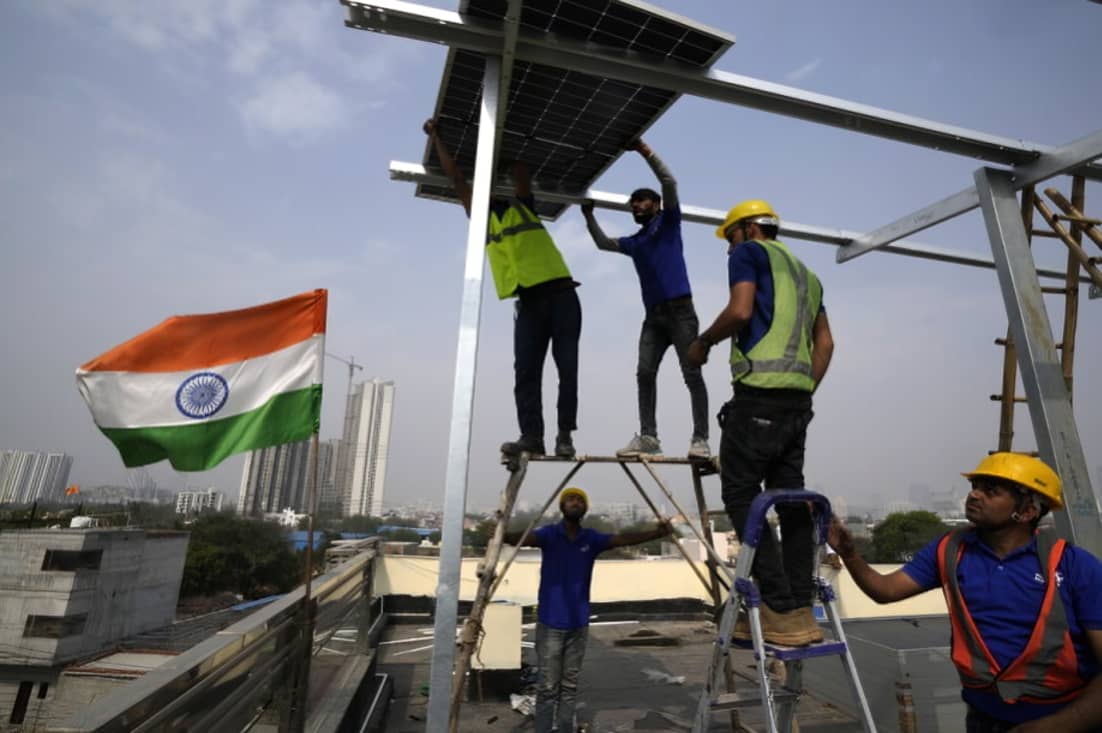

The cost of installing rooftop solar systems in India is likely to see an upward revision following the introduction of new policy and regulatory changes in the renewable energy sector. Industry estimates indicate that installation costs could increase by approximately three thousand rupees per kilowatt, affecting the overall upfront investment required for residential and commercial users.
Rooftop solar energy has become an increasingly popular option in India over the past decade, driven by rising electricity costs, government incentives, and growing awareness of clean energy solutions. Many households and small businesses have adopted solar systems to reduce dependency on conventional grid power and lower long term electricity bills.
The expected rise in installation costs is linked to updated compliance requirements and changes in sourcing rules for key components such as solar panels, inverters, and balance of system equipment. Industry stakeholders suggest that these adjustments are aimed at strengthening domestic manufacturing capacity and reducing reliance on imported components over time.
Experts note that while the initial cost of adoption may increase, the long term benefits of the new framework could outweigh the short term financial impact. The policy is designed to encourage the development of a more competitive and self reliant solar manufacturing ecosystem within the country.
India has been rapidly expanding its renewable energy capacity as part of its broader climate and energy security goals. Solar power plays a central role in this transition, with both large scale solar farms and distributed rooftop installations contributing to national targets.
Government initiatives such as subsidies, net metering policies, and financial support schemes have helped accelerate rooftop solar adoption in recent years. However, implementation challenges and supply chain dependencies have occasionally affected pricing stability in the market.
With the new rules coming into effect, industry analysts expect a temporary slowdown in rooftop solar installations due to increased upfront costs. At the same time, they anticipate that domestic manufacturers could benefit from stronger demand as import dependence is gradually reduced.
Energy experts also highlight that rooftop solar systems continue to offer significant long term savings despite higher initial investment. Once installed, these systems typically reduce monthly electricity bills and provide protection against future tariff increases. The payback period may vary depending on usage patterns, location, and system size.
The renewable energy sector in India has attracted significant private and public investment in recent years. Companies operating in solar manufacturing, installation, and financing are expected to adjust their business strategies in response to the new regulatory environment.
Analysts believe that policy consistency will play a key role in ensuring sustained growth in rooftop solar adoption. Clear guidelines, stable incentives, and improved financing options are seen as essential factors for maintaining momentum in the sector.
While consumers may face higher installation costs in the short term, the long term outlook for rooftop solar remains positive. Continued technological improvements, increasing efficiency of solar panels, and falling equipment costs over time are expected to support wider adoption.
The government is also expected to continue monitoring the impact of these changes and may introduce additional support measures if required to balance affordability with industry development goals.
Overall, the new regulatory framework represents a shift toward strengthening domestic capability while maintaining focus on clean energy expansion and long term sustainability.