Saudi oil giant Saudi Aramco has reported a significant increase in first quarter profits following heightened geopolitical tensions in West Asia and disruptions affecting global oil markets.
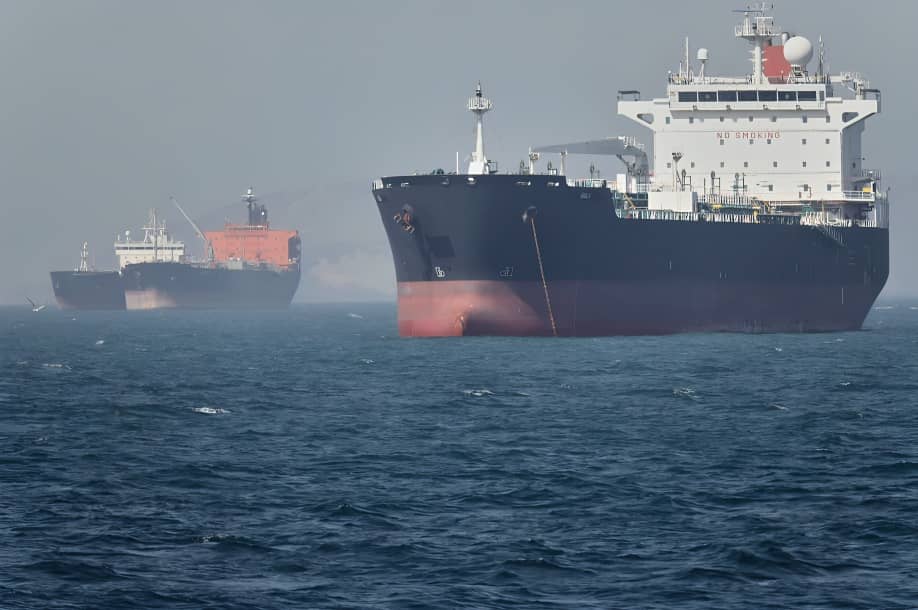
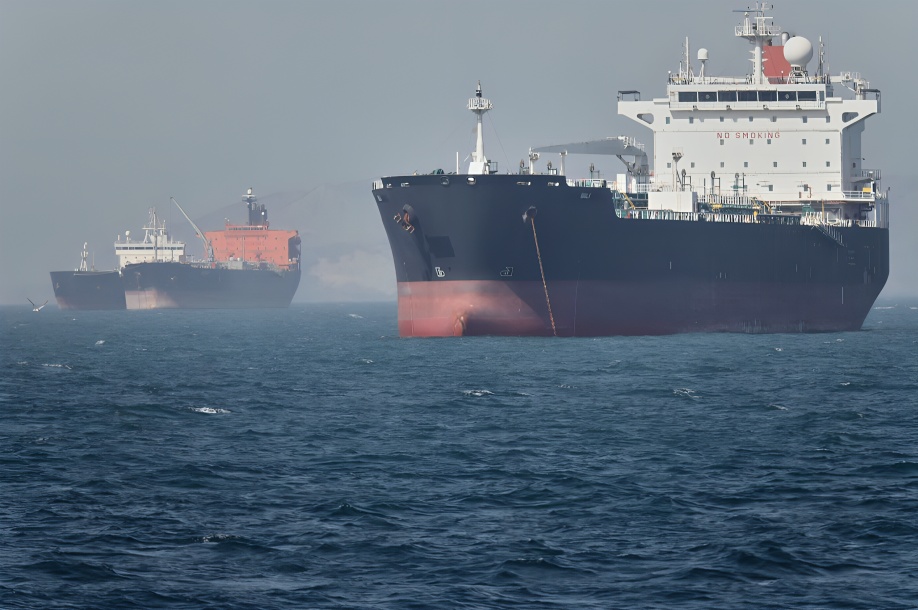
According to company figures, Aramco recorded a 25 percent rise in profit during the quarter as crude oil prices surged amid concerns over supply disruptions near the Strait of Hormuz. The strategic waterway is considered one of the world’s most important energy shipping routes because a large portion of global oil exports passes through the region.
Market analysts said tensions involving Iran and wider regional instability contributed to uncertainty in international energy markets, causing oil prices to rise sharply. Increased crude prices often lead to higher revenues for major oil producers such as Saudi Aramco.
The Strait of Hormuz connects the Persian Gulf with international shipping lanes and plays a critical role in transporting oil and natural gas from major producers in the Middle East. Any disruption in the region can influence global energy supply chains and international fuel prices.
Energy experts explained that geopolitical tensions tend to create concerns about possible interruptions to maritime trade and oil transportation. Such fears often trigger volatility in energy markets as traders and investors respond to potential supply risks.
Saudi Aramco remains one of the largest oil producing companies in the world and plays a major role in global energy markets. The company’s financial performance is closely monitored because it reflects broader trends in international oil demand, production and pricing.
Analysts noted that higher crude oil prices directly improved Aramco’s earnings during the quarter. Increased revenues from oil exports and stronger market pricing supported the company’s profitability despite broader global economic uncertainty.
The latest profit figures also highlight how geopolitical developments can significantly influence energy markets and corporate performance in the oil and gas sector. Oil producing countries and companies often benefit financially from higher crude prices, while importing nations may face increased fuel and transportation costs.
Several countries, including India, rely heavily on imported crude oil from West Asia. Rising oil prices can affect fuel costs, inflation and economic planning in oil importing economies. Economists continue to monitor the situation closely because prolonged price increases may impact global economic growth.
Energy market observers believe continued instability around the Strait of Hormuz could maintain pressure on international oil prices in the coming months. Shipping companies, insurers and global traders are also closely monitoring developments in the region.
Financial experts stated that energy stocks and oil companies have experienced increased investor attention as geopolitical tensions pushed commodity prices upward. Global financial markets often react strongly to developments involving major energy producing regions.
Saudi authorities and energy officials have repeatedly emphasized the importance of maintaining stable oil supplies and protecting critical shipping infrastructure in the region. International governments have also called for diplomatic efforts to reduce tensions and ensure uninterrupted energy transportation.
Industry analysts believe oil price volatility may continue if geopolitical uncertainty persists. Higher energy prices can influence multiple sectors, including transportation, aviation, manufacturing and global trade operations.
The latest financial performance of Saudi Aramco demonstrates the close connection between global geopolitics and energy economics. Experts say future market direction will largely depend on regional stability, diplomatic developments and international oil demand trends.
As global markets continue monitoring developments in West Asia, energy companies, governments and investors remain focused on the strategic importance of the Strait of Hormuz and its impact on the global economy.