S&P Global Ratings has said that an inadequate monsoon season could create multiple challenges for India's economy, particularly in rural areas where agriculture remains a primary source of income and employment. In its latest assessment, the global credit rating agency noted that below-normal rainfall, combined with rising farming costs, may influence agricultural production, food prices, household income, and overall consumer demand.
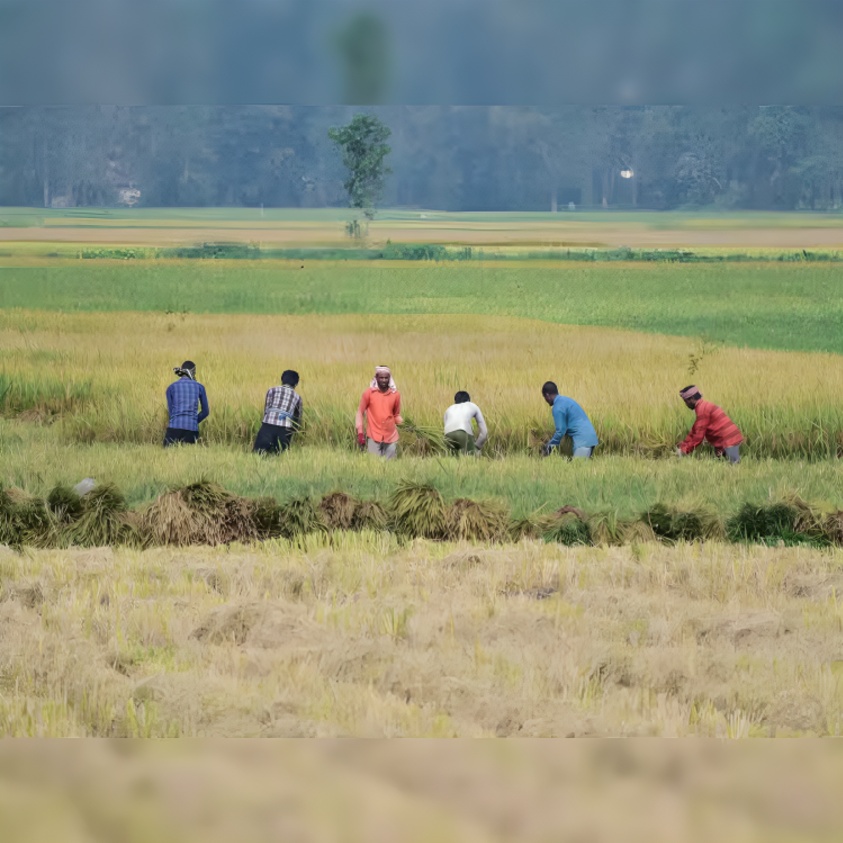
India's agricultural sector depends heavily on the southwest monsoon, which supplies a significant portion of the annual rainfall required for crop cultivation. While irrigation infrastructure has expanded in recent years, a large share of farmland still relies on seasonal rainfall. As a result, variations in monsoon performance continue to have an important influence on agricultural output and rural economic activity.
According to S&P Global Ratings, weak rainfall can reduce crop yields, affecting the earnings of farming households. Lower agricultural income may, in turn, limit rural spending on consumer goods, services, and discretionary purchases. Rural consumption plays a vital role in supporting several industries, including consumer products, automobiles, retail, and financial services.
The report also points to increasing agricultural input costs as an additional concern. Farmers continue to face higher expenses related to seeds, fertilizers, pesticides, labour, fuel, and irrigation. When these costs rise while agricultural production declines, profit margins for farmers may come under pressure.
Food inflation is another area highlighted in the report. Lower agricultural production resulting from inadequate rainfall could reduce the supply of essential food items, leading to higher market prices. Rising food inflation affects household budgets and may influence broader inflation trends across the economy.
The Reserve Bank of India closely monitors inflation, particularly food prices, while making monetary policy decisions. Sustained increases in food inflation can influence interest rate expectations and overall economic policy.
S&P Global Ratings also noted that weaker farm incomes may affect agricultural lending and loan repayment capacity. Financial institutions that provide credit to farmers and rural borrowers could experience slower credit growth or increased repayment risks if agricultural earnings decline significantly. However, the actual impact would depend on the severity and duration of any rainfall deficit, as well as government support measures.
Government policies such as minimum support prices, crop insurance schemes, irrigation projects, and direct benefit programmes continue to play an important role in reducing the impact of adverse weather conditions on farmers. These initiatives may help cushion some of the financial pressures faced by rural households during periods of weaker agricultural performance.
Economists emphasize that the final economic impact will depend on the overall progress of the monsoon season, regional rainfall distribution, crop conditions, and subsequent agricultural production. India's weather patterns often vary across states, meaning some regions may receive adequate rainfall while others experience shortages.
Market participants, policymakers, and financial institutions will continue to monitor rainfall data, crop sowing progress, reservoir levels, and agricultural output throughout the season. These indicators will provide a clearer picture of the potential effects on inflation, rural demand, and overall economic growth.
While the report highlights possible risks, it does not predict a definite outcome. The actual impact on India's economy will depend on future weather conditions, government interventions, and the resilience of the agricultural sector during the remainder of the monsoon season.