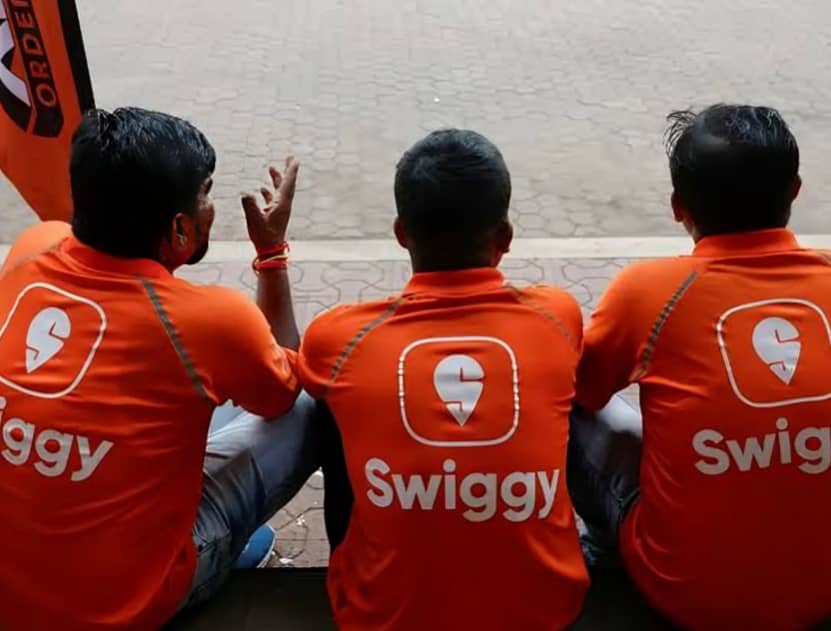

Swiggy has crossed the 50 percent mark in Indian ownership, representing an important development in the company's shareholding structure. While the increase in domestic ownership brings the company closer to qualifying as an Indian Owned and Controlled Company, commonly referred to as an IOCC, the classification has not yet been officially confirmed.
The distinction is significant because Indian regulations require companies to satisfy both ownership and control criteria before they can be recognized as Indian Owned and Controlled Companies. Merely crossing the 50 percent ownership threshold does not automatically result in IOCC status.
Under India's foreign investment framework, an Indian Owned and Controlled Company must meet prescribed conditions relating to both shareholding and effective management control. In addition to majority Indian ownership, control over key business decisions, management, and governance must also rest with Indian residents or entities in accordance with applicable regulations.
Swiggy has emerged as one of India's leading technology driven food delivery and quick commerce platforms. Over the years, the company has expanded beyond restaurant delivery into grocery delivery, instant commerce, logistics, and other digital services. The growth of its quick commerce business has made it an important participant in India's rapidly evolving digital retail market.
Industry experts believe that achieving IOCC status, if approved under the applicable regulatory framework, could provide greater operational flexibility in sectors where foreign investment rules distinguish between Indian controlled and foreign controlled entities. Such classification may also influence investment structures, expansion strategies, and regulatory compliance requirements in certain business segments.
The company has continued to attract investment from both Indian and international investors since its inception. Changes in shareholding often occur through funding rounds, secondary share transactions, employee stock ownership programmes, or strategic investments. As ownership patterns evolve, companies periodically review their regulatory status to ensure compliance with applicable laws.
India's foreign direct investment policy establishes detailed guidelines regarding ownership, control, and investment in various sectors of the economy. Companies seeking recognition as Indian Owned and Controlled Companies are required to satisfy the relevant legal provisions before any regulatory benefits associated with that classification become applicable.
The quick commerce sector has experienced rapid expansion in recent years as consumer demand for faster delivery services continues to grow. Companies operating in this segment are investing in technology, supply chain infrastructure, warehouse networks, and delivery capabilities to improve efficiency and customer experience.
Swiggy remains one of the leading participants in this competitive market alongside several other digital commerce platforms. The company's continued growth reflects increasing adoption of online food delivery and rapid commerce services across urban and semi urban markets in India.
As of now, there has been no official announcement confirming that Swiggy has obtained IOCC recognition. The company may continue to evaluate its ownership and governance structure while ensuring compliance with all applicable regulatory requirements.
Further developments regarding the company's ownership classification are expected to depend on regulatory assessment and official confirmation from the relevant authorities. Until then, Swiggy's crossing of the 50 percent Indian ownership mark represents an important corporate milestone, while its formal IOCC status remains subject to the applicable legal framework.