
Teachers' organizations in Jammu and Kashmir have urged the 8th Pay Commission to consider a range of reforms aimed at improving the financial and service conditions of educators. The recommendations focus on salary revisions, pension benefits, healthcare support, and educational allowances, reflecting long-standing concerns raised by teaching professionals.
According to reports, teacher representatives have submitted proposals highlighting disparities in pay structures and service benefits. They have requested the commission to review existing salary frameworks and ensure that educators receive compensation that is aligned with their responsibilities and qualifications. The groups argue that addressing these concerns is important for maintaining morale and improving the overall quality of the education sector.
One of the key demands relates to pension reforms. Teachers have called for the restoration of the Old Pension Scheme, commonly known as OPS, which many employee organizations across the country have advocated for in recent years. Supporters of the proposal believe that the scheme offers greater financial security after retirement compared to the existing pension arrangements. They contend that a stable pension system is essential for government employees who dedicate decades of service to public institutions.
Another major issue raised by the teachers concerns pay anomalies. Employee representatives have argued that differences in salary structures among various categories of staff have created inequalities that need to be addressed through the recommendations of the 8th Pay Commission. They have requested a comprehensive review to ensure fair and uniform implementation of pay scales.
Healthcare benefits have also been included among the demands. Teachers have sought improvements in medical allowances and healthcare support, citing rising medical expenses and the need for stronger social security measures. They believe that enhanced healthcare provisions would provide greater financial protection to employees and their families.
In addition, teacher organizations have requested higher education-related benefits. These include support for professional development, educational assistance, and other welfare measures intended to help employees meet increasing education costs. Representatives argue that such benefits would contribute to the well-being of teachers and encourage continued professional growth.
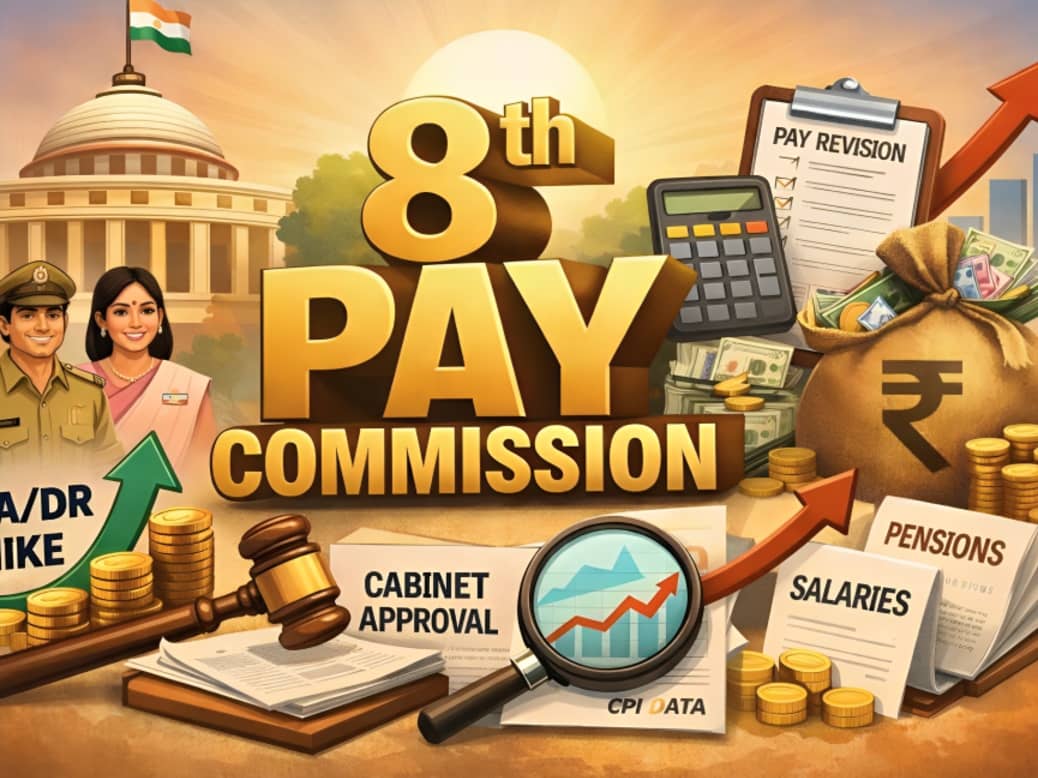
The 8th Pay Commission is expected to play an important role in reviewing the salary structures and service conditions of central government employees and pensioners. Traditionally, pay commissions are constituted to examine wage levels, allowances, retirement benefits, and other employment-related matters. Their recommendations often influence compensation frameworks across various government sectors.
Experts note that employee groups from different departments frequently submit memorandums and proposals during the pay commission review process. These submissions help policymakers understand the concerns of various categories of government workers and assess potential reforms.
The demands from Jammu and Kashmir teachers are part of a broader national conversation regarding employee welfare, pension security, and compensation reforms. Similar concerns have been raised by several public sector organizations and employee associations in different parts of the country.
While the commission has not yet announced its final recommendations, stakeholders are closely monitoring developments. Teachers and other government employees hope that the review process will address key concerns related to pay equity, retirement security, and social welfare benefits.
The outcome of the 8th Pay Commission's deliberations is expected to have a significant impact on millions of government employees and pensioners. As consultations continue, teacher organizations remain optimistic that their recommendations will receive due consideration and contribute to meaningful improvements in service conditions and financial security.