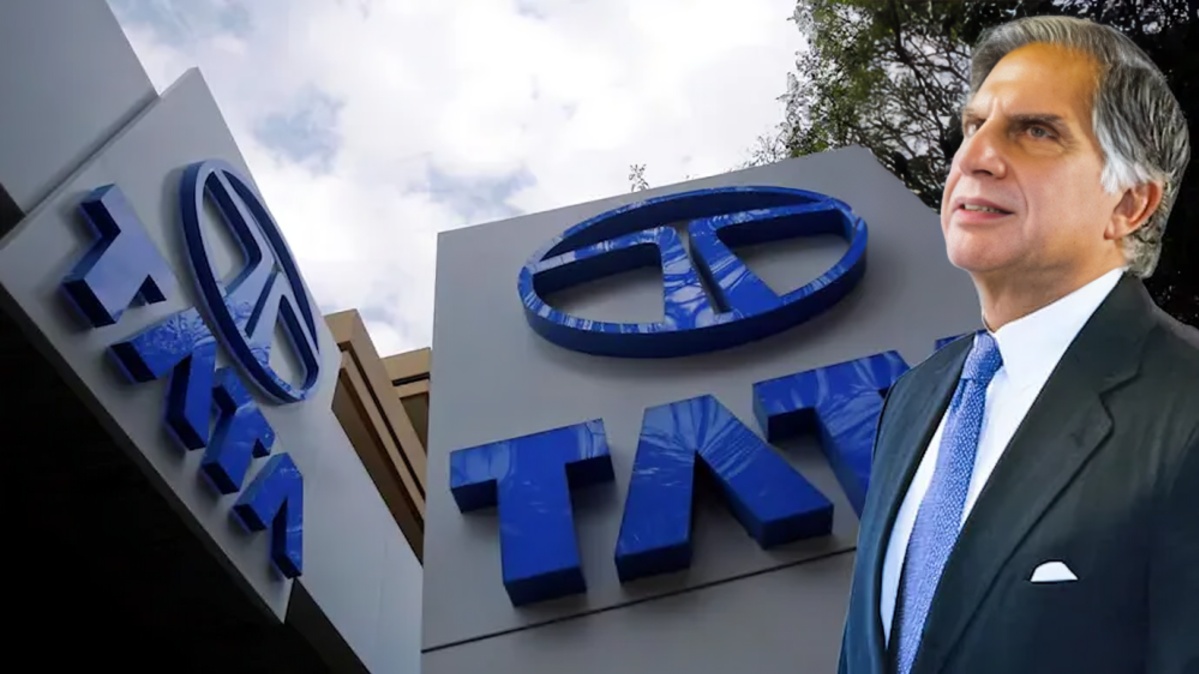
The transfer of Tata Sons shares under the will of industrialist Ratan Tata has reportedly encountered a legal challenge following an ownership dispute involving part of the shareholding. The development has drawn attention because it concerns the implementation of the late business leader's estate and the transfer of shares in one of India's most influential companies.
According to reports, the issue relates to the transfer of 3,368 Tata Sons shares mentioned in Ratan Tata's will. A dispute has reportedly arisen over the ownership of 833 of those shares, resulting in a temporary legal hurdle during the execution of the estate.
The disagreement is understood to involve the ownership status of the disputed shares, which must be clarified before the transfer process can proceed. Legal experts note that such disputes are not uncommon in estate administration, particularly when valuable corporate assets are involved.
At present, the matter remains under legal consideration, and no final decision has been announced regarding the disputed shares. The transfer of the remaining shares will proceed in accordance with the applicable legal procedures and subject to the outcome of the ongoing proceedings.
Ratan Tata, one of India's most respected industrialists, played a transformative role in expanding the Tata Group's global presence during his leadership. Under his guidance, the group completed several landmark international acquisitions and strengthened its position across sectors including automobiles, information technology, steel, hospitality, consumer products, and aviation.
Tata Sons serves as the principal investment holding company of the Tata Group and owns significant stakes in several listed and unlisted businesses. Shares of Tata Sons are privately held and are subject to specific legal and regulatory procedures when ownership is transferred.
The execution of a will involving substantial corporate holdings typically requires compliance with succession laws, probate requirements where applicable, and verification of ownership records. When disputes arise regarding any part of the estate, the transfer of the affected assets may remain pending until the legal issues are resolved.
Legal professionals explain that courts or competent authorities generally examine documentary evidence, share ownership records, succession documents, and any competing claims before determining the rightful ownership of disputed assets. Until such proceedings are completed, transfers relating to the disputed shares may remain on hold.
The reported dispute concerns only the ownership and transfer of specific shares and does not affect the day to day operations or corporate governance of Tata Sons. The company continues to function under its existing management and governance framework without any reported operational impact.
Corporate law experts observe that succession related disputes involving privately held company shares often require careful legal scrutiny because ownership rights, shareholder agreements, and inheritance laws must all be considered before any transfer is approved.
The Tata Group has long maintained a reputation for strong corporate governance and structured succession planning. Any transfer of shares associated with the estate is expected to follow the legal framework governing private company share ownership and inheritance.
The ongoing proceedings are likely to determine the ownership status of the disputed 833 shares before the complete implementation of the will can be finalized. Until then, the transfer process for the affected portion of the shareholding is expected to remain subject to legal review.
As the matter progresses through the appropriate legal channels, further developments are expected to emerge through official court proceedings or authorized statements. Until a final determination is made, the ownership dispute remains under consideration, and no conclusive findings have been announced regarding the contested shares.