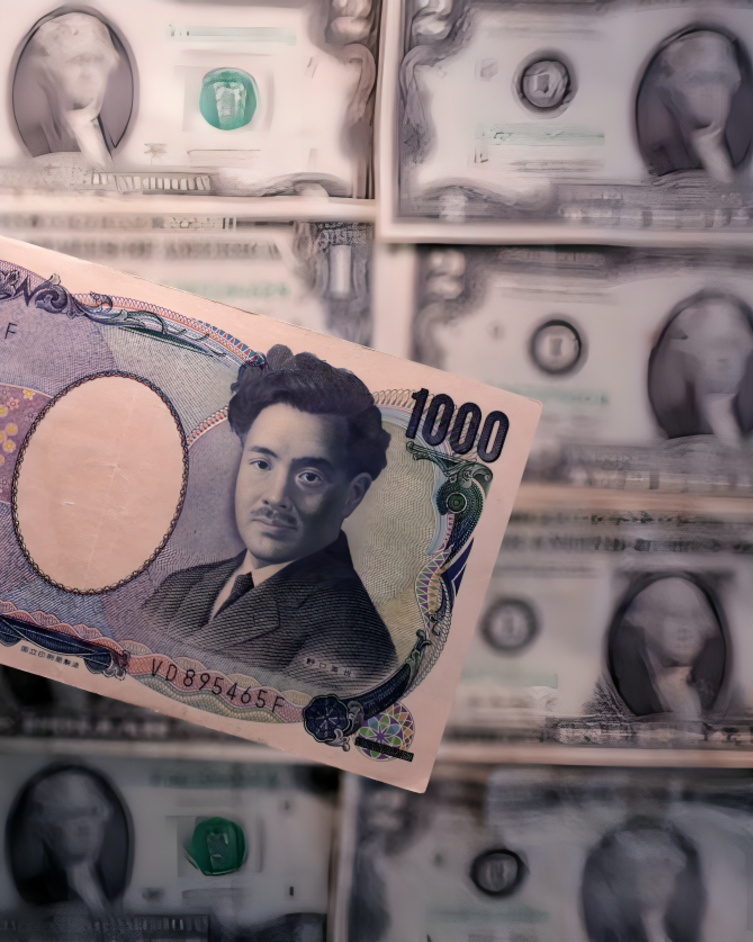
Japan and the United States have reportedly undertaken a coordinated effort to support the Japanese yen, marking the first such currency intervention since 1998. The move comes amid heightened volatility in foreign exchange markets, with the yen experiencing sustained weakness against the US dollar and other major global currencies.
The intervention reflects growing concerns among policymakers about the rapid depreciation of the yen and its potential impact on Japan's economy. Currency intervention typically involves central banks or governments buying or selling currencies in the foreign exchange market to influence exchange rates and reduce excessive volatility.
The Japanese yen has faced significant pressure over recent months due to a combination of domestic and international economic factors. One of the primary reasons has been the wide interest rate gap between Japan and the United States. While the US Federal Reserve has maintained relatively high interest rates to manage inflation, the Bank of Japan has historically pursued a more accommodative monetary policy, making the yen less attractive to global investors.
Another factor influencing investor sentiment has been concerns over Japan's public finances. Japan has one of the highest public debt levels among advanced economies, and investors continue to monitor the government's fiscal position closely. Discussions surrounding government spending, debt management, and long-term fiscal sustainability have contributed to uncertainty in financial markets.
Recent policy measures, including a reduction in sales tax on certain food and beverage products, have also drawn attention from investors. While the tax cut is intended to ease the financial burden on households and stimulate consumer spending, some analysts believe it could increase fiscal pressure by reducing government tax revenues.
A weaker yen has both advantages and disadvantages for the Japanese economy. On one hand, it makes Japanese exports more competitive in international markets by lowering prices for overseas buyers. Export-oriented industries such as automobiles, electronics, and manufacturing often benefit from a weaker domestic currency.
On the other hand, a depreciating yen significantly increases the cost of imports. Japan relies heavily on imported energy resources, food products, and industrial raw materials. As the yen weakens, businesses and consumers face higher import costs, which can contribute to inflation and reduce household purchasing power.
The reported coordinated intervention by the United States and Japan signals the importance both countries place on maintaining stability in global financial markets. Currency volatility can affect international trade, cross-border investments, and investor confidence, making coordinated action between major economies relatively rare and noteworthy.
The last widely recognized joint intervention by the two countries occurred in 1998, when authorities acted to stabilize the yen during the Asian financial crisis. Since then, coordinated currency interventions have been uncommon, with most exchange rate adjustments left to market forces.
Financial analysts note that the effectiveness of currency intervention depends on several factors, including market confidence, monetary policy expectations, and broader economic conditions. While intervention can temporarily stabilize exchange rates, long-term currency movements are generally influenced by economic fundamentals such as inflation, interest rates, growth prospects, and fiscal policy.
Investors are also closely monitoring future decisions by the Bank of Japan and the US Federal Reserve. Any changes in interest rate policies or monetary guidance could significantly influence the direction of the yen in global currency markets.
For businesses engaged in international trade, exchange rate stability remains an important factor in financial planning. A more stable yen can reduce uncertainty for exporters, importers, and multinational corporations operating in Japan.
As global financial markets continue to react to economic data and policy decisions, the coordinated efforts by Japan and the United States highlight the importance of maintaining orderly currency markets. Analysts expect investors to closely follow future developments in monetary policy, government fiscal measures, and exchange rate movements in the coming months.