
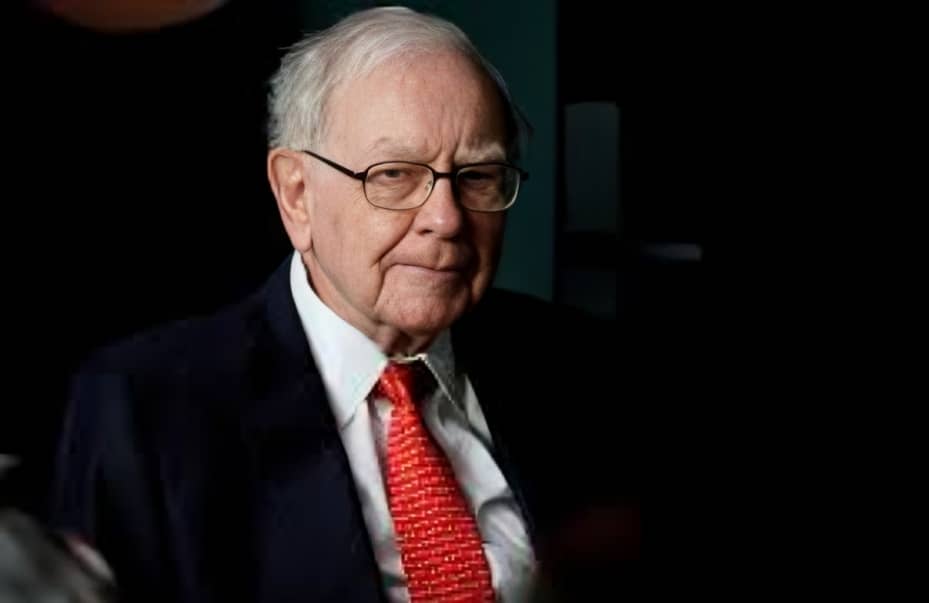
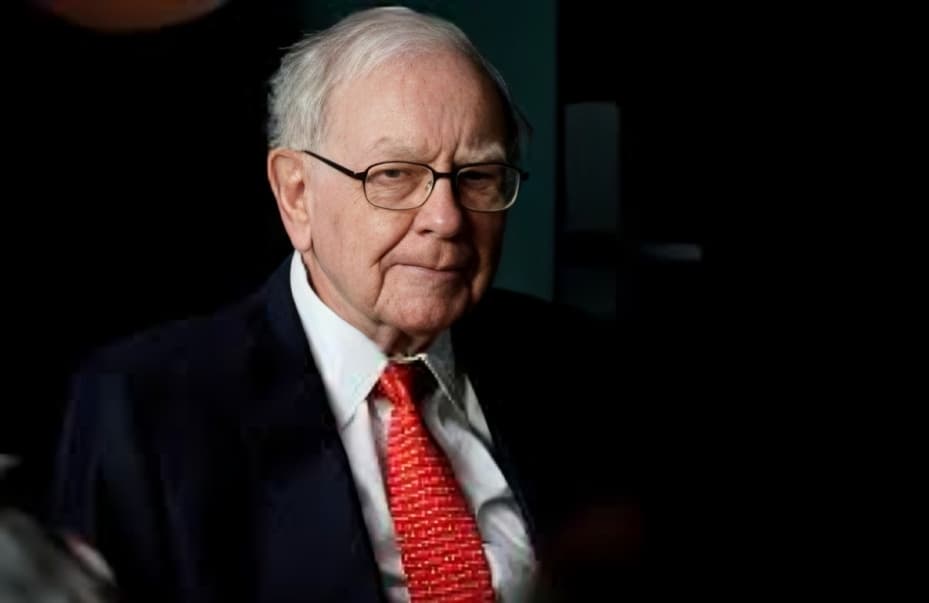
Berkshire Hathaway has officially appointed Greg Abel as the company’s new chief executive officer, a major leadership transition in one of the world’s most influential conglomerates. Warren Buffett, who has led the company for more than six decades, will remain as chairman while Abel takes over day-to-day operational responsibilities. The move is viewed as a generational shift, aimed at ensuring continuity in Berkshire’s long-term investment and management strategy.
Abel, 64, joined Berkshire Hathaway in 1999 through the acquisition of MidAmerican Energy, which later became Berkshire Hathaway Energy. Over the years, he has risen through the ranks, assuming the role of CEO of the energy division in 2008. Under his leadership, Berkshire Hathaway Energy has grown into one of the largest regulated utility and renewable energy companies in the United States. Abel is credited with strengthening the division’s operational efficiency, expanding renewable energy investments, and consistently delivering strong returns.
Reports indicate that Abel’s compensation package as CEO exceeds Warren Buffett’s salary, reflecting both the increased operational responsibilities and the board’s confidence in his leadership. Buffett, long known for his modest $100,000 annual salary, will continue to oversee investment decisions and corporate governance as chairman. Analysts suggest that Abel’s appointment will not change Berkshire’s overall investment philosophy but will modernize management processes and focus on operational execution across the company’s multiple sectors.
Berkshire Hathaway, founded in 1839 and transformed into a holding conglomerate by Buffett, manages a diverse portfolio including insurance, utilities, railroads, manufacturing, and consumer businesses. Abel’s experience in managing large-scale operations and complex business structures makes him well-suited to oversee this vast enterprise. Observers note that his expertise in the energy sector may also influence Berkshire’s strategic investments in renewable energy and infrastructure in the coming years.
The succession plan had been in development for several years, with Buffett repeatedly emphasizing the importance of identifying a successor who could preserve the company’s culture and long-term vision. Abel’s appointment signals confidence from the board and shareholders that Berkshire’s core principles—conservative investment strategy, disciplined capital allocation, and decentralized management—will continue under his stewardship.
Industry experts see Abel as a pragmatic and steady leader capable of balancing risk and growth across Berkshire’s various subsidiaries. While investors have welcomed the appointment, attention will now shift to how Abel navigates market challenges, emerging technologies, and global economic uncertainties. His performance as CEO will be closely watched, particularly given the global spotlight on Berkshire Hathaway’s investment strategy.
In summary, Greg Abel’s elevation to CEO marks a historic transition at Berkshire Hathaway. With a compensation package reportedly higher than Buffett’s and extensive experience in energy and operations, Abel is positioned to carry forward the conglomerate’s legacy while adapting to the evolving business landscape.


