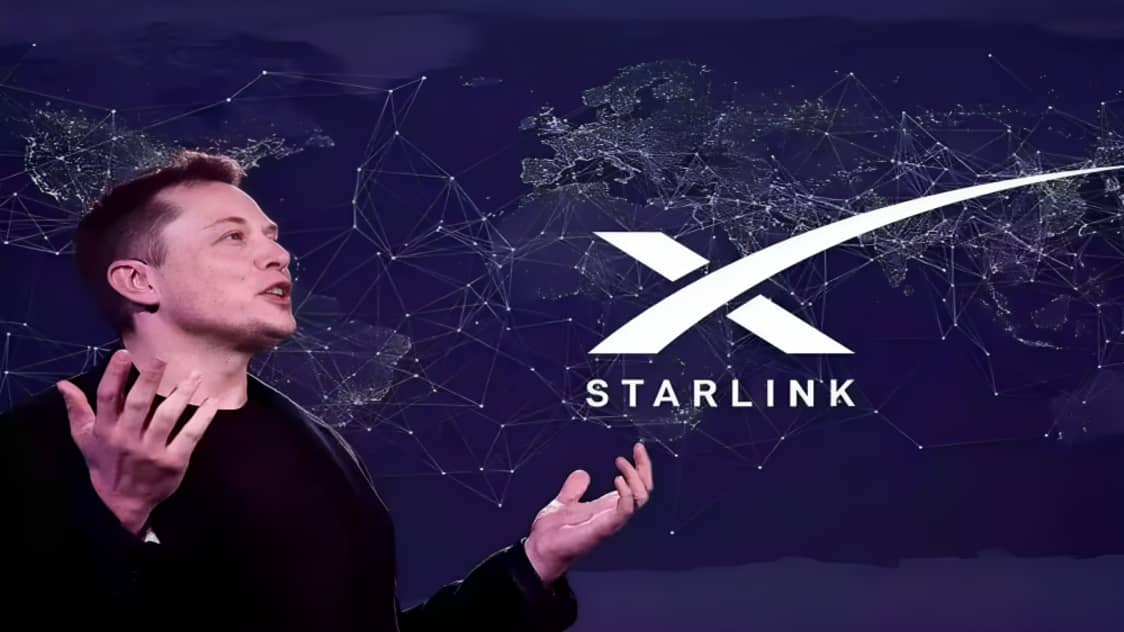
Reliance Responds to Elon Musk Over Starlink Row, Says It Has Never Feared Competition
Reliance Industries has responded to criticism from SpaceX chief Elon Musk over Starlink’s proposed entry into India, stating that it welcomes competition in the satellite communications sector. The company has also emphasised that all businesses, whether Indian or foreign, must follow the same regulatory procedures and comply with the country’s laws.
The statement, issued on Friday, October 16, 2026, comes amid a public dispute over Starlink’s entry into India’s satellite broadband market. Musk has criticised the delays surrounding the service’s proposed launch and alleged that established business interests are making it difficult for the company to compete.
Reliance, led by Mukesh Ambani, rejected suggestions that it fears competition. The company also confirmed that Jio’s own satellite services are awaiting the necessary government clearances. The exchange has drawn attention to the regulatory process governing satellite internet services and the potential competition between major domestic and international providers.
What Did Reliance Say About Starlink?
In its statement, Reliance said it supports investment and innovation from both Indian and international companies, provided they operate within the law.
The company emphasised that India’s regulatory framework should apply equally to every applicant, regardless of its country of origin. It also highlighted the need for all satellite communications providers, including Jio, to comply with the applicable policies and regulatory requirements.
Reliance said it had never feared competition and described competition as a test of which company serves customers better. To support its position, the company referred to Jio’s entry into India’s telecom market in 2016, when it began competing against established operators.
According to Reliance, Jio has since built a customer base of more than 530 million users and expanded access to affordable mobile data and digital infrastructure.
The company’s response makes clear that it is not opposing Starlink’s participation in the Indian market, but believes every provider should operate under the same rules.
Why Has Elon Musk Criticised Starlink’s Entry Process?
Musk has publicly criticised the delays affecting Starlink’s proposed launch in India. In recent comments, he suggested that influential business interests were obstructing the company’s entry and questioned whether established players were receiving an advantage.
His remarks brought renewed attention to the relationship between Starlink and Reliance Jio, two companies that could compete in India’s emerging satellite broadband market.
Starlink, operated by SpaceX, uses a network of satellites in low Earth orbit to deliver internet connectivity. The technology can be particularly useful in locations where conventional broadband infrastructure is difficult or expensive to deploy.
India represents a potentially significant market because satellite internet could help extend connectivity to remote villages, isolated communities, businesses and other locations with limited access to terrestrial networks.
However, launching satellite broadband services requires more than obtaining a licence. Providers must also meet applicable security requirements, comply with regulatory conditions and complete the necessary arrangements for spectrum use.
Musk’s criticism has therefore placed the approval process under greater public scrutiny. However, his allegations about obstruction should be understood as claims made by him, rather than established findings of wrongdoing.
Jio’s Satellite Services Are Also Awaiting Clearances
An important part of Reliance’s response is its confirmation that Jio’s satellite services are also awaiting government clearances.
This statement is central to the company’s argument that domestic and foreign applicants should be treated under the same regulatory framework. Reliance says the same rules must apply to Jio as well as Starlink.
The Indian government has previously stated that satellite communications providers must satisfy the required security conditions and other regulatory obligations before beginning commercial operations.
Starlink, Jio Satellite Communications and Eutelsat OneWeb have obtained satellite communications licences, but licensing does not automatically mean that all requirements for commercial service have been completed.
The remaining regulatory steps, including security clearances and spectrum-related arrangements, are important to the timing of a potential launch.
Communications Minister Jyotiraditya Scindia has also stated that India does not permit monopolies and that satellite operators must meet the required conditions before services can begin.
The issue is therefore not simply a contest between two companies. It also concerns how India balances investment, competition, national security and consumer interests while developing its satellite communications market.
How Could Starlink and Jio Compete in India?
Starlink and Jio approach connectivity from different starting points.
Jio has an established presence in India’s mobile telecommunications market, supported by a large customer base and extensive digital infrastructure. Its satellite business could potentially complement its existing connectivity services by reaching areas where conventional mobile and fixed broadband networks are less practical.
Starlink’s satellite network is designed to provide internet access without relying on a continuous ground-based cable connection to every customer location. This could make the service attractive to rural households, remote businesses and organisations operating in areas with limited broadband coverage.
The two companies could compete on pricing, equipment costs, service availability, connection performance and customer support. Actual offerings will depend on the services each company launches and the regulatory conditions under which they operate.
Competition could create more options for consumers, especially in areas where internet access remains limited. However, satellite broadband equipment and subscription costs will be important factors in determining how widely the services are adopted.
It is too early to determine which provider will gain a stronger position in the Indian satellite internet market. Their commercial performance will depend on pricing strategies, network capacity, regulatory approvals and customer demand.
What Does the Dispute Mean for India’s Satellite Internet Market?
The disagreement highlights the growing importance of satellite communications in India’s digital infrastructure plans.
Satellite broadband could help connect remote communities, support disaster-response operations and provide connectivity for businesses located beyond the reach of traditional networks. It may also provide an alternative where terrestrial infrastructure is disrupted or unavailable.
At the same time, the sector raises regulatory questions involving national security, spectrum allocation, data protection and the responsibilities of service providers.
A transparent and predictable approval process will be important for companies planning long-term investments. Consistent rules could help domestic and international providers understand their obligations while allowing regulators to enforce security and operational requirements.
The government must also balance investment opportunities with the need to protect consumers and ensure that services operate within the law.
Reliance’s statement adds its position to the debate, but it does not resolve the outstanding regulatory issues or establish a launch date for either company’s satellite services.
Will Elon Musk Respond to Reliance?
Reliance’s statement has renewed attention on the public disagreement between the companies. However, a further response from Musk should not be assumed unless he makes another public statement.
For now, the central issues remain the regulatory approval process, the conditions required for commercial operations and the prospect of competition in India’s satellite broadband sector.
Any subsequent comments from Musk, Reliance or the government could provide additional clarity on the dispute. Until then, claims about the reasons for delays should be attributed to the parties making them.
Conclusion
Reliance Industries has said it welcomes Starlink and other satellite communications providers in India, insisting that every company must follow the same laws and regulatory procedures. The company also confirmed that Jio’s satellite services are awaiting government clearances.
The statement follows criticism from Elon Musk over delays affecting Starlink’s proposed entry into India. With security requirements and spectrum-related arrangements still important to commercial operations, the timing of the launch remains dependent on the completion of applicable regulatory steps.
The dispute highlights the growing competition in satellite broadband and the importance of a clear regulatory framework. For consumers, the potential benefits will ultimately depend on service availability, affordability and the ability of providers to deliver reliable connectivity.