
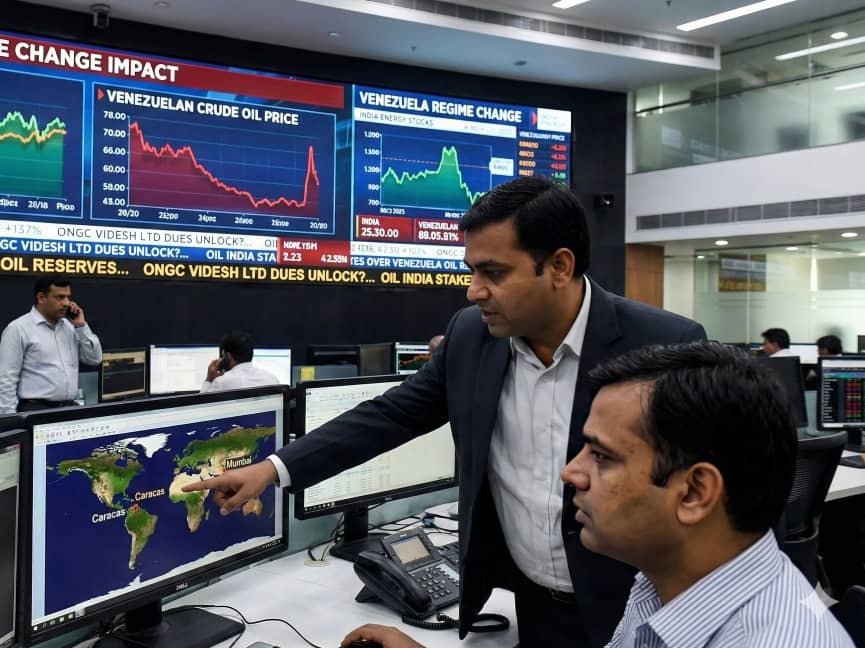
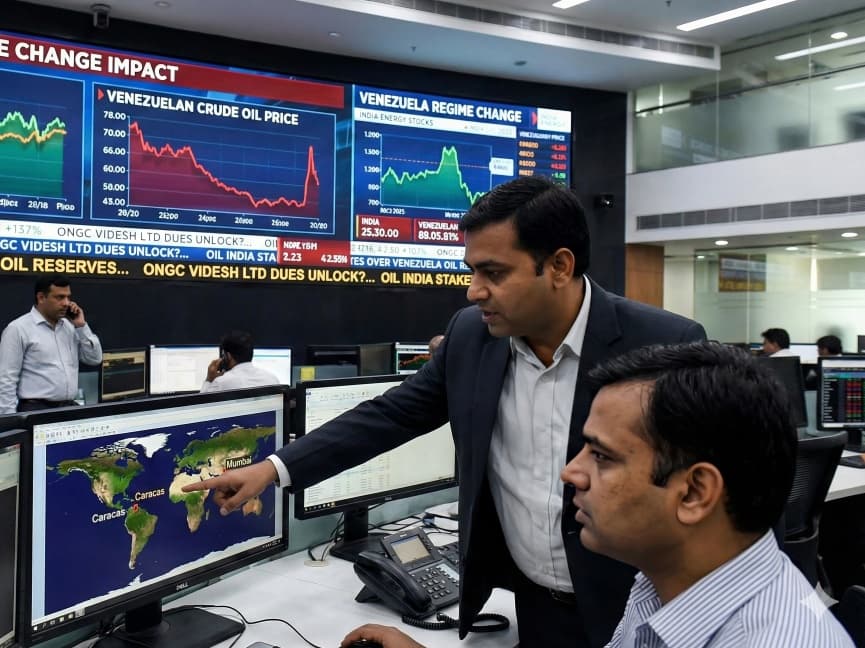
Political upheaval in Venezuela has once again brought the country’s vast oil reserves into global focus, with potential implications for energy-importing nations such as India. Following the removal of long-time Venezuelan leader Nicolas Maduro, the United States administration led by President Donald Trump has outlined plans to exert greater control over Venezuelan oil assets. These developments are being closely watched in New Delhi due to their possible impact on global crude oil supply lines.
Venezuela holds the largest proven crude oil reserves in the world, but years of political instability, economic mismanagement, and international sanctions have severely restricted its production and exports. India, once a major buyer of Venezuelan crude, had sharply reduced imports after US sanctions were imposed on Caracas. The recent political shift could change that dynamic, depending on how international policies evolve.
According to energy analysts, any restructuring of Venezuela’s oil sector under US influence could lead to increased production and renewed exports. If sanctions are eased or restructured, Indian refiners may find an opportunity to re-enter the Venezuelan market, particularly for heavy crude grades that suit several Indian refineries.
India currently imports the majority of its crude oil requirements, relying heavily on suppliers from the Middle East, Russia, and Africa. Diversifying sources remains a key objective of India’s energy strategy to reduce vulnerability to regional disruptions. Venezuela, with its large reserves, could once again become a strategic supplier if geopolitical conditions permit.
However, experts caution that the situation also carries risks. Increased US involvement in Venezuelan oil assets could reshape global trade flows, potentially prioritising American strategic interests. This may limit access for other countries or influence pricing mechanisms. Additionally, political uncertainty within Venezuela could continue to affect production stability and long-term supply reliability.
India’s energy planners are expected to weigh these factors carefully. While the reopening of Venezuelan oil exports could offer cost advantages and supply diversification, New Delhi must balance economic interests with diplomatic and geopolitical considerations, particularly its relations with the United States.
Market observers note that any significant increase in Venezuelan oil output could also impact global crude prices by adding supply to the market. This could benefit oil-importing nations like India by easing price pressures, provided global demand remains stable.
As the situation continues to evolve, India is likely to maintain a watchful approach rather than make immediate shifts in its crude sourcing strategy. Decisions will depend on policy clarity from Washington, stability within Venezuela, and broader movements in global energy markets.
The developments underline how political changes in resource-rich nations can have far-reaching consequences for global energy security. For India, Venezuela’s unfolding situation represents both a potential opportunity and a strategic challenge in its long-term crude oil planning.


