
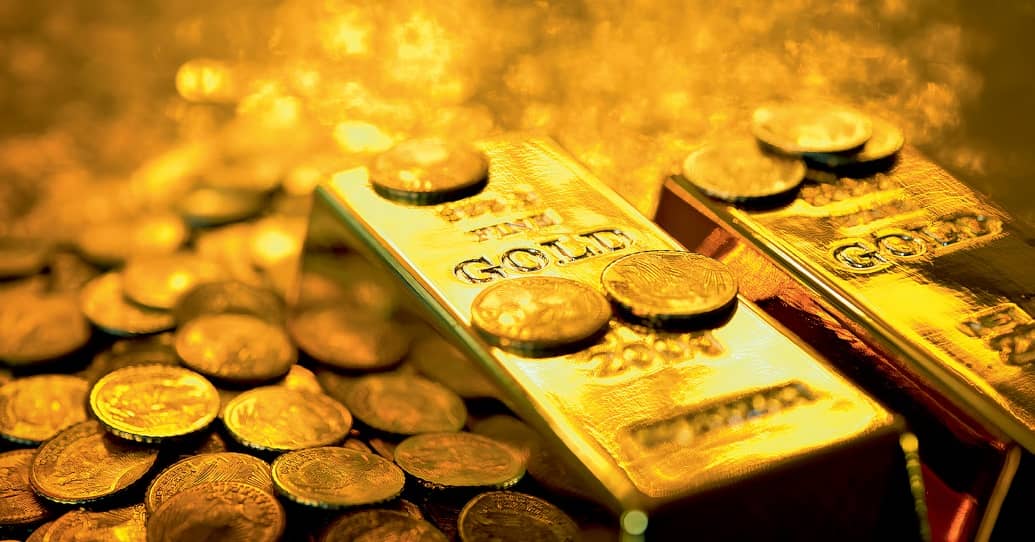
Gold prices in India are poised for a potential surge, with analysts predicting levels as high as Rs 1,34,000 per 10 grams in the near future. This anticipated rise is largely fueled by speculation surrounding a possible rate cut by the US Federal Reserve, which could increase gold’s attractiveness as a safe-haven investment amid global economic uncertainties.
Historically, gold has benefited when interest rates fall, as lower rates reduce the opportunity cost of holding non-yielding assets like gold. Investors often shift to gold to hedge against inflation, currency fluctuations, and market volatility, particularly during periods of economic uncertainty. With global markets closely watching Fed announcements, Indian investors and traders are preparing for increased demand, which could push domestic prices to record highs.
Market experts highlight that international gold prices, foreign exchange rates, and import duties will continue to influence gold prices in India. The Indian rupee’s movement against the US dollar is a key factor, as a weaker rupee tends to make gold imports costlier, further boosting local prices. In addition, seasonal demand, particularly during festivals and wedding seasons, can add momentum to the price rally.
Jewelry sales and investment trends in India also play a crucial role. Gold bars, coins, and ETFs have become popular options for investors seeking long-term wealth preservation. Analysts suggest that if the Fed follows through with a rate cut, both domestic and global demand for gold could surge, creating upward pressure on prices. Retail investors are advised to monitor these developments closely and consider timing purchases or sales strategically.
Financial analysts warn, however, that gold prices can be volatile and influenced by a range of factors including geopolitical tensions, central bank policies, and macroeconomic data. While the Fed’s potential rate cut is a strong positive signal for gold, sudden policy changes or unexpected economic indicators could impact market expectations and investor sentiment.
Experts also note that rising gold prices may affect consumer buying patterns. Jewelry buyers may accelerate purchases to take advantage of favorable market conditions, while investors might diversify portfolios into gold-based financial instruments to hedge against market risk. Banks and NBFCs offering gold loans may also see increased activity as the asset appreciates in value.
In conclusion, the outlook for gold prices in India remains bullish, driven by global cues and domestic demand trends. Speculation around the US Federal Reserve’s rate cut has heightened expectations of a price surge, potentially setting new records. Investors, jewelers, and market watchers are advised to stay informed about international developments, currency movements, and domestic demand trends to navigate this period effectively. The coming weeks could prove critical in determining the trajectory of gold prices, impacting both investment strategies and consumer behavior in India.


