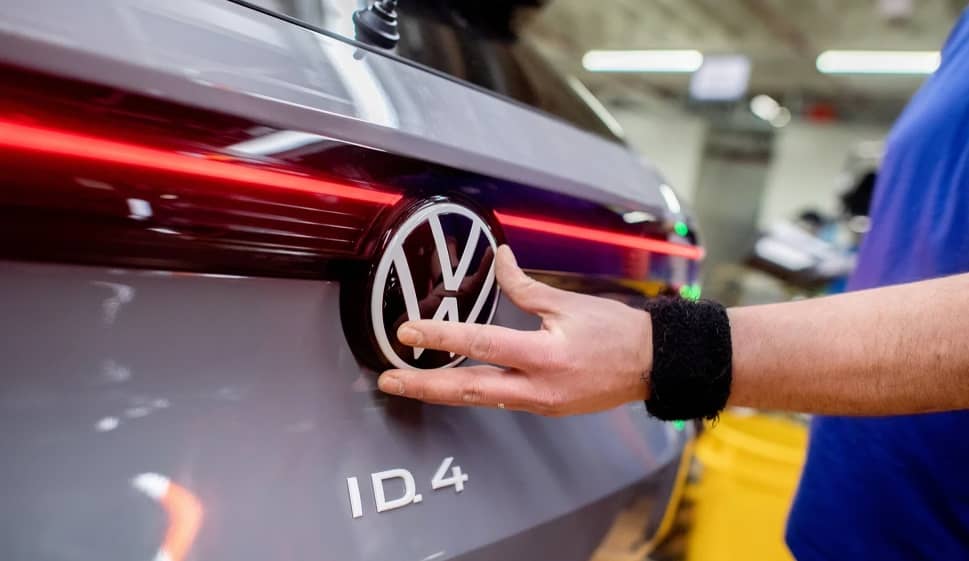
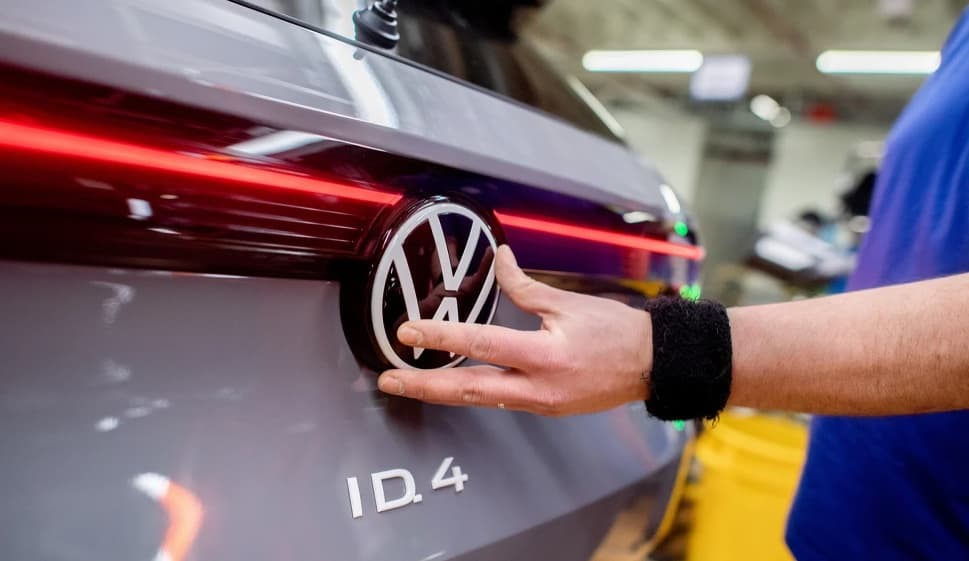
Volkswagen is reportedly in discussions to shift part of its manufacturing operations toward producing components for Iron Dome. The proposal involves repurposing its Osnabruck factory, which has been facing challenges due to reduced demand in the automotive sector.
The potential move comes as the company explores ways to utilize underperforming facilities and diversify its production capabilities. The Osnabruck plant, which has traditionally been involved in automobile manufacturing, is said to be operating below capacity. Converting it for defence related production is being considered as a strategic option.
The Iron Dome system is designed to intercept and destroy incoming projectiles and is widely used for defensive purposes. Manufacturing components for such a system would mark a significant shift for Volkswagen, which is primarily known for its automotive products. This development has drawn attention from industry experts and observers.
The reported discussions have also raised legal and ethical questions. Critics argue that involvement in defence manufacturing, particularly in the context of ongoing conflicts, could lead to scrutiny under international law. Concerns have been expressed about the implications of supplying components that may be used in conflict zones.
At the same time, some analysts note that defence manufacturing is a regulated sector and companies typically operate within the framework of national and international laws. Any such move by Volkswagen would likely require approvals from relevant authorities and compliance with export regulations.
The company has not issued a detailed official statement confirming the shift, and discussions are believed to be at a preliminary stage. It remains unclear whether a final agreement will be reached or what the timeline for such a transition might be.
From a business perspective, the move reflects broader challenges faced by the automotive industry, including changing market demand and the need for diversification. Companies are increasingly exploring new sectors to maintain profitability and ensure the efficient use of resources.
The potential transition also highlights the intersection between industry and geopolitics. Decisions related to manufacturing and exports can have wider implications, particularly when they involve defence equipment. As a result, companies must carefully consider both commercial and regulatory factors.
Observers have pointed out that similar shifts have occurred in the past, where industrial facilities were repurposed to meet different production needs. However, each case involves unique considerations, especially when defence related products are involved.
The debate surrounding this development is likely to continue as more information becomes available. Stakeholders, including policymakers, industry experts, and the public, are expected to closely monitor the situation.
Overall, the reported discussions involving Volkswagen and the production of components for the Iron Dome reflect a complex mix of economic, legal, and ethical considerations. The outcome will depend on regulatory approvals, business decisions, and broader geopolitical factors.