The integrity of India’s national examinations is set to receive renewed parliamentary scrutiny, as a standing committee has taken up the need for reforms in the public examination system amid continuing concerns over examination security and fairness.
The Department-related Parliamentary Standing Committee on Education, Women, Children, Youth and Sports has included the integrity of national examinations among its subjects for 2026–27. The committee was reconstituted in September 2026 for a one-year term and has identified several areas for review.
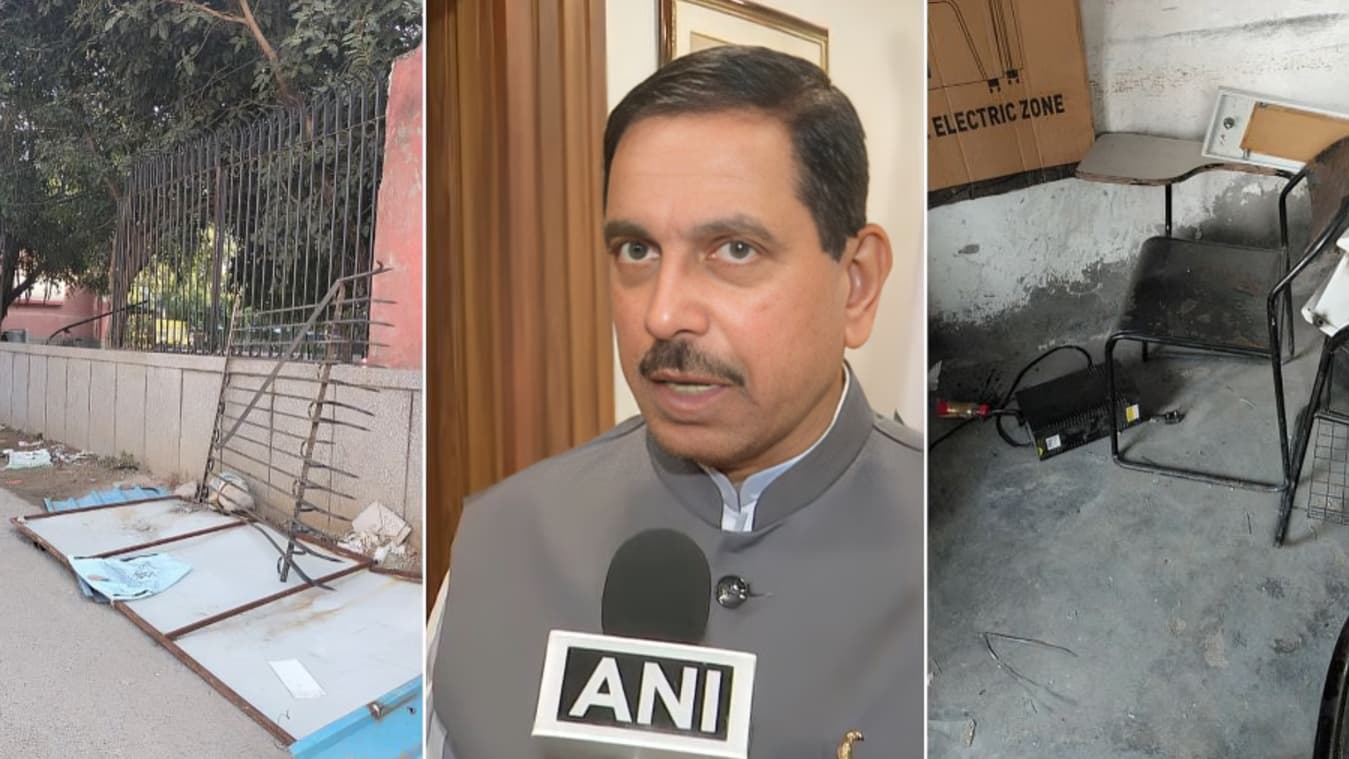
The latest initiative follows concerns surrounding the NEET-UG 2026 examination, which was cancelled after allegations of a question-paper leak. The incident renewed questions about the safeguards used to protect question papers, maintain examination confidentiality and ensure fair competition for candidates.
NEET-UG Controversy Renews Focus on Exam Security
The NEET-UG controversy has intensified discussions about the reliability of national-level entrance examinations. Large competitive tests determine access to higher education and professional courses, making the protection of examination materials and the credibility of results particularly important.
The parliamentary committee is expected to examine the integrity of national examinations and deliberate on whether the existing public examination framework requires further procedural and institutional changes.
The review comes after earlier efforts to address examination-related irregularities. These include recommendations from expert committees, measures to strengthen the National Testing Agency (NTA) and legislative action against unfair practices in public examinations.
The latest review should be distinguished from the committee’s earlier recommendations: identifying examination integrity as a subject for scrutiny does not, by itself, mean that every proposed reform has been approved or implemented.
NTA Accountability and Structural Reforms
The National Testing Agency, which conducts several major entrance examinations, has been at the centre of discussions about examination administration, security and institutional accountability.
In a report presented in October 2026, the parliamentary committee recommended several changes aimed at strengthening the NTA. These included developing a permanent specialist workforce, improving examination security, creating an independent grievance-redressal mechanism and increasing accountability to Parliament.
The committee also called for a public registry of blacklisted examination vendors and greater transparency regarding investigations into examination-related irregularities.
Other recommendations included examining the feasibility of computer-based testing for major examinations, increasing the use of government-operated examination centres and developing broader question banks to reduce the risks associated with repeated or predictable question papers.
These recommendations form part of the broader reform debate. Their implementation will depend on decisions by the relevant ministries and authorities.
Coaching Centres Also Under Review
The parliamentary committee’s 2026–27 agenda also includes a review of coaching centres, with particular attention to regulation, enforcement and compliance.
Coaching institutions play a significant role in preparing candidates for competitive entrance examinations. The committee’s review will examine how existing rules operate in practice and whether regulatory enforcement needs further attention.
The issue is relevant to students and families who invest considerable time and money in examination preparation. However, the review of coaching-centre regulation is a separate component of the committee’s wider education agenda, alongside examination integrity.
NEP Implementation and Emerging Technologies
Beyond competitive examinations, the committee plans to review progress in implementing the National Education Policy (NEP) 2020.
Its agenda also covers the functioning of the National Council of Educational Research and Training (NCERT), the Central Board of Secondary Education (CBSE) and the Central Advisory Board of Education (CABE).
The panel will examine student welfare and support systems in school education, including health, safety, mental well-being, inclusive education and grievance-redressal mechanisms.
Another area of review is the impact of artificial intelligence and emerging technologies on education and student employability. The committee will also consider the implementation of relevant University Grants Commission regulations and guidelines concerning the internationalisation of higher education.
These subjects indicate that the panel’s work extends beyond examination security to wider questions of educational governance, student support and institutional performance.
What the Review Could Mean for Students
For students preparing for examinations such as NEET-UG and other national entrance tests, the central issue is whether proposed reforms translate into more secure examinations, clearer accountability and reliable communication when irregularities occur.
Measures such as stronger question-paper security, better-staffed examination agencies, transparent investigations and effective grievance mechanisms could help address vulnerabilities in the examination process if implemented effectively.
However, candidates should not assume that every recommendation will immediately change examination rules or application procedures. Students should continue to follow official notifications from the relevant examination authorities for confirmed changes to eligibility, schedules, examination formats and other requirements.
Next Steps in the Examination Reform Agenda
The parliamentary committee’s review places examination integrity alongside several other education-policy priorities for 2026–27. Its deliberations will contribute to the continuing discussion over how India can strengthen examination security and public confidence in national-level tests.
The key issue will be how recommendations are translated into practical safeguards, clear implementation timelines and accountable oversight. For candidates, the outcome will matter most if reforms help ensure that examinations are conducted fairly and that allegations of irregularities are addressed transparently.