The Foreign Medical Graduate Examination June 2026 has become the subject of a wider discussion after candidates and medical associations raised concerns about the examination pattern, examination centre facilities and the low pass percentage.
The Federation of All India Medical Association has sought intervention from the Union Health Ministry over the concerns raised by foreign medical graduates. The association has highlighted complaints related to video based questions, increased time pressure and conditions at some examination centres.
The FMGE is conducted by the National Board of Examinations in Medical Sciences for foreign medical graduates seeking provisional or permanent registration to practise medicine in India. The examination is based on the competency requirements prescribed for medical graduates.
The June 2026 examination was conducted on June 28. Candidates subsequently raised concerns about the difficulty of the paper and the inclusion of video based questions. Some candidates said that watching clinical videos while managing the overall examination time made it difficult to complete the paper within the available time.
According to reports, the FMGE consists of 300 questions conducted in two shifts. Candidates have traditionally had to manage their time carefully because each question carries one mark and the examination requires candidates to answer a large number of questions within a limited period.
The introduction of video based questions became one of the major issues raised by candidates. Some examinees alleged that the new format was not adequately communicated before the examination and that the additional time required to watch clinical clips created further pressure.
However, the Health Ministry has presented a different position. In its response to questions in Parliament, the ministry said video based questions had been included in the official demonstration test released before the examination. The government said the demo was intended to familiarise candidates with the examination interface and pattern.
The government also clarified the pass percentage. The overall pass percentage for FMGE June 2026 was reported as 12.78 percent. At the same time, the ministry said the pass percentage among candidates appearing for the first time was above 35 percent.
The government has argued that the overall pass percentage cannot be attributed solely to the difficulty of the examination. According to the ministry, factors such as the quality of medical education received by candidates, their knowledge and individual performance can influence the results.
The low pass rate has nevertheless become an important concern for candidates. Reports indicate that thousands of candidates did not clear the examination, leading to demands for greater transparency and a review of the examination process. Some candidate groups have also called for the release of answer keys and response sheets.
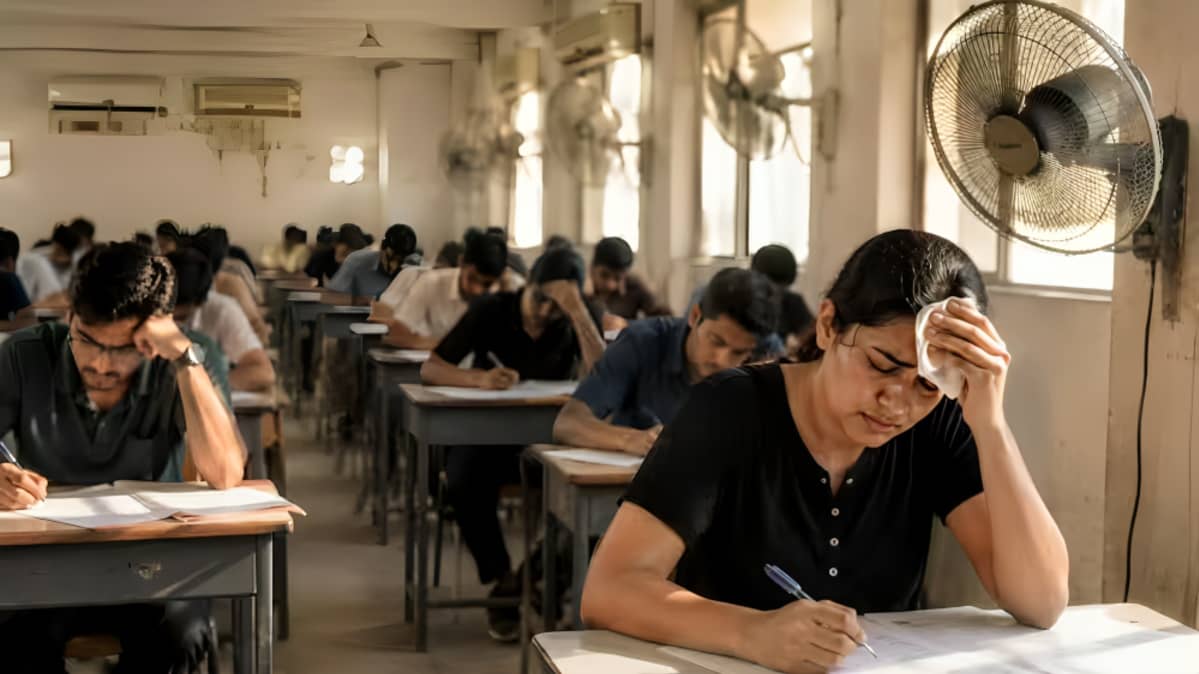
Another issue raised by candidates relates to examination centre conditions. FAIMA said it received complaints from candidates regarding inadequate cooling, poor ventilation and drinking water facilities at some centres. Candidates appearing during periods of high temperatures said uncomfortable conditions added to the physical and mental pressure of the lengthy examination process.
The Health Ministry, however, said examination centres had been audited and inspected before the test. It also stated that arrangements such as cooling facilities and drinking water had been provided based on the requirements of individual locations.
The dispute therefore involves two different perspectives. Candidate groups are seeking a review of the examination experience and possible relief, while authorities have maintained that the examination was conducted according to the applicable regulations and prescribed syllabus.
The FMGE is particularly important for foreign medical graduates because clearing the examination is required for registration to practise medicine in India. A candidate who does not clear the screening examination may have to appear again in a subsequent session.
The controversy has also renewed discussions about examination transparency. Candidate organisations have sought greater access to information about the examination, including questions concerning answer keys and response sheets. The government has said that the examination operates under confidentiality provisions because releasing question papers could affect the integrity and future conduct of the test.
The issue of the pass percentage is also being viewed in the context of previous FMGE sessions. The June 2026 result was significantly lower than several recent sessions, although officials have pointed out that FMGE pass rates have historically fluctuated.
The National Medical Commission has also defended the need for the examination, stating that foreign medical graduates must demonstrate the required level of competency before entering India's healthcare system. Officials have said differences between medical curricula and clinical exposure in different countries can influence candidate performance.
For candidates, the immediate concern is whether the authorities will take further action on the complaints raised by medical associations and student groups. FAIMA's request for Health Ministry intervention adds to the pressure for an examination review.
At present, the government has not announced a blanket re examination or a change in the FMGE result based on these complaints. The official position remains that the examination was conducted according to the notified framework.
The FMGE June 2026 controversy therefore remains centred on examination transparency, the use of video based questions, time management, centre facilities and the unusually low overall pass percentage.
Further action will depend on the response of the Health Ministry, NBEMS and other relevant authorities to the representations submitted by candidates and medical associations.
For future FMGE candidates, the developments could also influence how examination formats and demonstration tests are communicated. Any formal changes would need to be announced by the competent authorities through official channels.
Until then, candidates should rely on official communications from NBEMS, the Health Ministry and other competent authorities rather than unverified claims circulating online.