The Haryana government has introduced a new regulatory framework for private coaching institutes, bringing stricter requirements for registration, transparency, infrastructure and student protection. The Haryana Private Coaching Institutes Registration and Regulation Rules 2026 were notified on August 24, 2026, under the Haryana Registration and Regulation of Private Coaching Institutes Act, 2024.
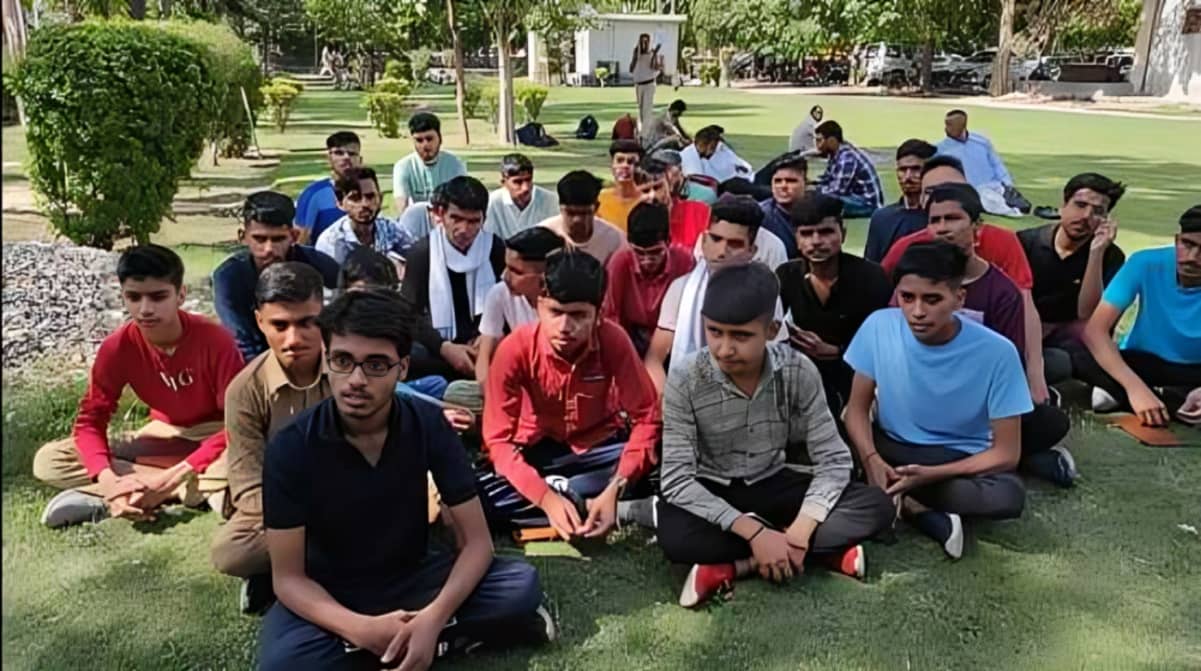
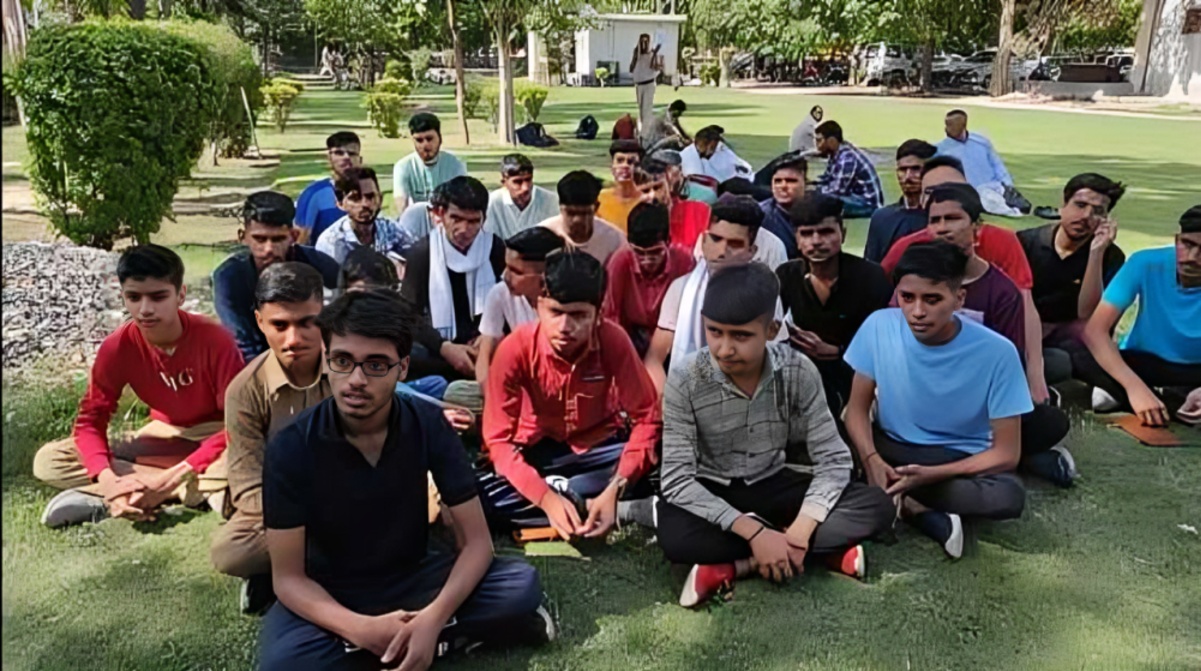
One of the most significant provisions is the restriction on coaching classes for school going students during regular school hours. Private coaching institutes are required to submit an affidavit confirming that they will not conduct classes for students during the hours when they are expected to attend school. The measure is aimed in part at addressing the growing practice of students remaining formally enrolled in schools while spending regular school hours at coaching centres.
The restriction is also linked to concerns surrounding the so called dummy school model. Under such arrangements, students may remain enrolled in a school for formal purposes while receiving most of their academic preparation through coaching institutes. Haryana authorities have indicated that the new requirement is intended to strengthen regular school attendance and ensure that school education is not replaced by private coaching during scheduled classroom hours.
Registration is now mandatory for private coaching institutes operating in Haryana. Existing institutes as well as new centres seeking to begin operations will have to apply to the concerned district authority. The registration application requires a fee of Rs 10,000. Authorities are expected to scrutinise applications within 30 days.
If deficiencies are identified during the scrutiny process, the institute can be asked to correct them within the prescribed period. Once the requirements are fulfilled, the registration certificate will be issued and will remain valid for three years. A renewal fee of Rs 5,000 has been prescribed for subsequent renewals.
The new framework also requires coaching institutes to provide detailed information about their operations. This includes the courses being offered, curriculum, duration of programmes, fee structure, classroom capacity and the maximum number of students permitted in each batch.
Details relating to teaching and non teaching staff must also be disclosed. Institutes are required to provide information about the qualifications and background of teachers and other employees. The rules also include requirements concerning police verification of staff, adding another layer of accountability for institutions dealing with school and college students.
Infrastructure and safety standards are another important part of the new regulations. Coaching centres must provide information about facilities such as drinking water, separate toilets for male and female students, lighting, fire safety arrangements and first aid facilities. Other facilities, including parking, libraries or reading rooms, Wi Fi, smart classrooms, hostels and canteens, where available, must also be disclosed.
The rules are intended to give students and parents clearer information before they choose a coaching institute. Institutes will have to display important details such as teacher qualifications, class schedules and fee structures on their websites and notice boards. This is expected to make it easier for students and parents to compare coaching options and understand the services being offered.
The new rules also seek to address misleading advertising by coaching centres. Institutes cannot make false or misleading claims about their results or the achievements of their students. They are also restricted in how they describe their regulatory status. Registered institutes may use the term registered coaching institute, but they cannot describe themselves as recognised or approved unless they have the specific legal basis to make such a claim.
Record keeping has also been made an important requirement. Registered coaching institutes will have to maintain records relating to ownership or tenancy of their premises, total floor area, student enrolment, courses, fees, refund policies and teacher qualifications. Details of batches and student outcomes will also need to be maintained and submitted to the authorities as required.
The rules provide for penalties when institutes fail to comply. A first violation can attract a fine of Rs 25,000, while subsequent violations can result in a fine of Rs 1 lakh. Continued non compliance can also lead to cancellation of the institute's registration.
The restrictions come amid wider concerns about the rapid growth of private coaching and its influence on school education. Across India, coaching has become an important part of preparation for competitive examinations, but governments have increasingly focused on issues such as excessive fees, misleading advertisements, student safety, mental well being and the relationship between coaching and formal education.
The Union Ministry of Education had also circulated guidelines for regulating coaching centres to states and Union Territories in January 2024. Those guidelines covered areas including registration, fees, infrastructure, student records, grievance redressal and mental well being. The Haryana framework provides a state level regulatory mechanism based on the state's own legislation.
For school students and parents in Haryana, the most important change is the prohibition on attending coaching classes during regular school hours. Students enrolled in schools will be expected to attend their regular school schedule rather than replacing classroom education with coaching during those hours.
For coaching institutes, the new framework means that registration and compliance are no longer optional. Centres will have to provide detailed information about their operations, meet prescribed infrastructure and safety requirements and maintain records. They must also ensure that their advertising does not make misleading claims.
The new regulations represent a broader effort by Haryana to bring private coaching institutions under formal oversight. While coaching centres continue to play a role in competitive examination preparation, the state government is seeking to ensure that such institutions operate transparently and do not undermine regular school education.
Students and parents should therefore verify whether a coaching centre is properly registered and review its fee structure, faculty information, class schedule and available facilities before enrolling. Coaching institutes should also monitor official notifications from the Haryana authorities for any additional compliance requirements or clarifications issued under the new rules.