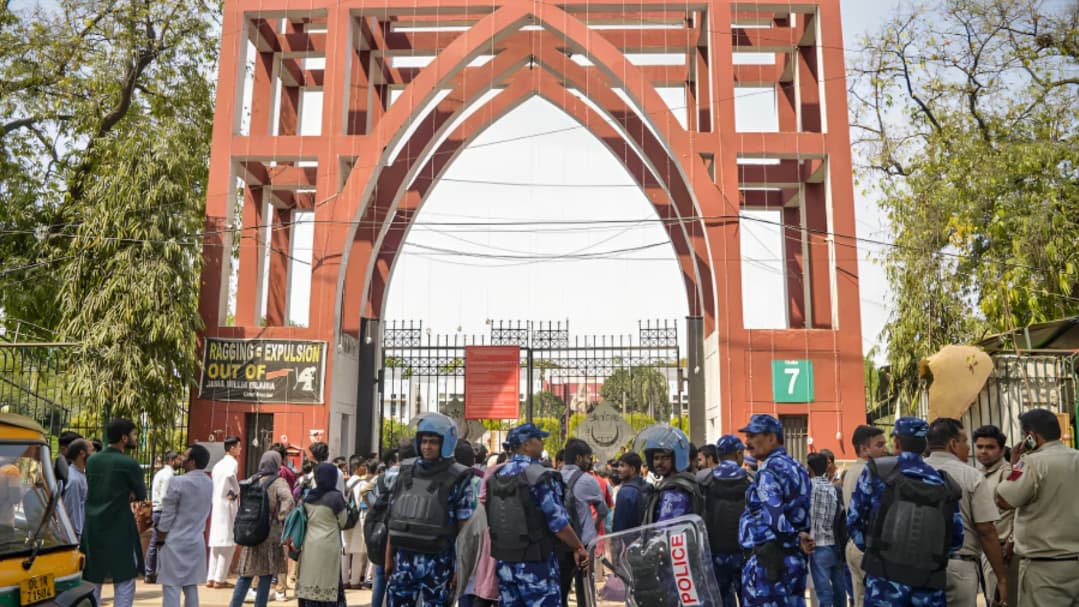
Jamia Millia Islamia Shifts All Classes Online Amid Student Union Protests
Jamia Millia Islamia in New Delhi has shifted all classes to online mode with immediate effect until further notice, citing the need to ensure student safety amid continuing protests on campus. The decision was announced on October 24, 2026, through a notice issued by the university's registrar.
The administration described the move as a precautionary measure intended to protect students while ensuring that teaching and learning continue without unnecessary disruption. Faculty members and students have been directed to follow the online class schedule until further instructions are issued.
The decision comes as demonstrations demanding the restoration of the university's students' union have continued for nearly two weeks, creating a tense situation on campus.
Why Has Jamia Shifted Classes Online?
According to the university's notice, the decision was taken in view of the prevailing situation and the need to ensure the safety and security of students on campus.
The administration has directed deans, heads of departments, directors and faculty members to make the necessary arrangements for online classes. Teaching staff have also been asked to provide students with learning materials and academic support to maintain continuity in their studies.
The university has not announced a specific date for the resumption of physical classes. Students have therefore been advised to follow communications issued by their departments and the university's official channels.
The online arrangement applies to all courses and will remain in place until further notice.
What Are the Students Protesting For?
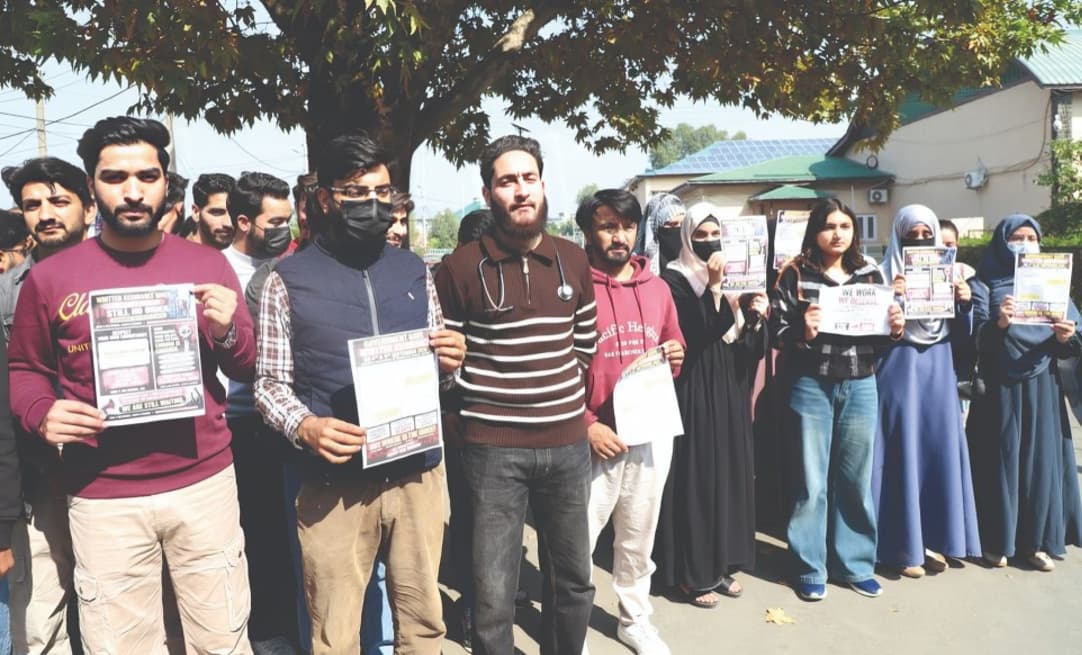
The protests began on October 12, 2026, with students demanding the restoration of the Jamia Millia Islamia Students' Union and an official announcement of the election schedule.
The students' union has not held elections since 2005, and the union was dissolved in 2006. Protesters argue that elected student representation is important for raising academic concerns, addressing campus grievances and ensuring that students have a formal role in university affairs.
Five students have been participating in an indefinite hunger strike, according to reports published on October 24. Their demands include an official notification announcing the union election schedule, withdrawal of disciplinary action against protesting students, and the removal of the university's Chief Proctor and Security Advisor.
The students have maintained that the administration's steps towards drafting a new union constitution do not address their immediate demand for an election date.
University Forms Committee to Draft Students' Union Constitution
Before the decision to shift classes online, the university had established a committee to prepare a constitution for the Jamia Millia Islamia Students' Union.
The committee is expected to examine the circumstances surrounding the union's dissolution, relevant court rulings and recommendations made by the Lyngdoh Committee on student union elections.
The university has said that establishing a constitutional framework is an important step towards restoring the students' union. The committee is also expected to consider the applicable legal and institutional requirements before recommending a way forward.
However, protesting students have questioned the approach, arguing that setting up a committee does not provide the election schedule they are seeking.
The disagreement over the timing and process of restoration remains a central issue in the ongoing dispute.
Discussions Between Students and University Officials
University representatives, including the registrar and faculty members, met protesting students on October 24 and urged them to end their hunger strike.
Officials referred to the committee formed to examine the students' demands and sought their cooperation with the process. However, the meeting reportedly became tense, with students alleging that university personnel attempted to dismantle their protest tents and take hunger-striking students to hospital against their wishes.
These are allegations made by protesters and should be distinguished from the university's official position. The disagreement reflects the continuing breakdown in communication between sections of the student community and the administration.
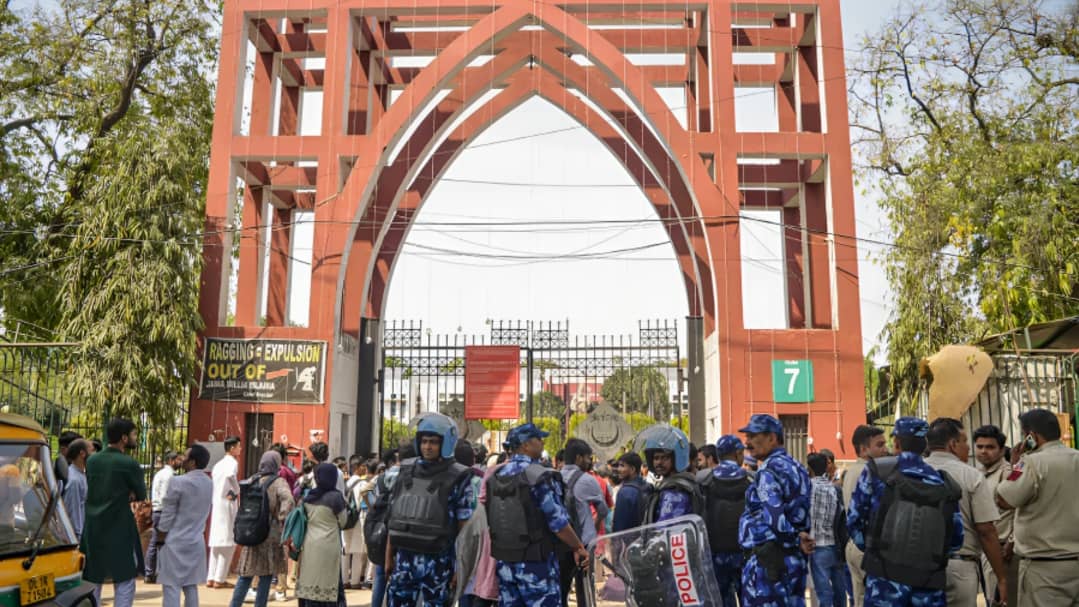
The situation subsequently intensified, with students gathering near the university gates after access was restricted. The announcement shifting classes online followed later that afternoon.
Impact on Students and Academic Activities
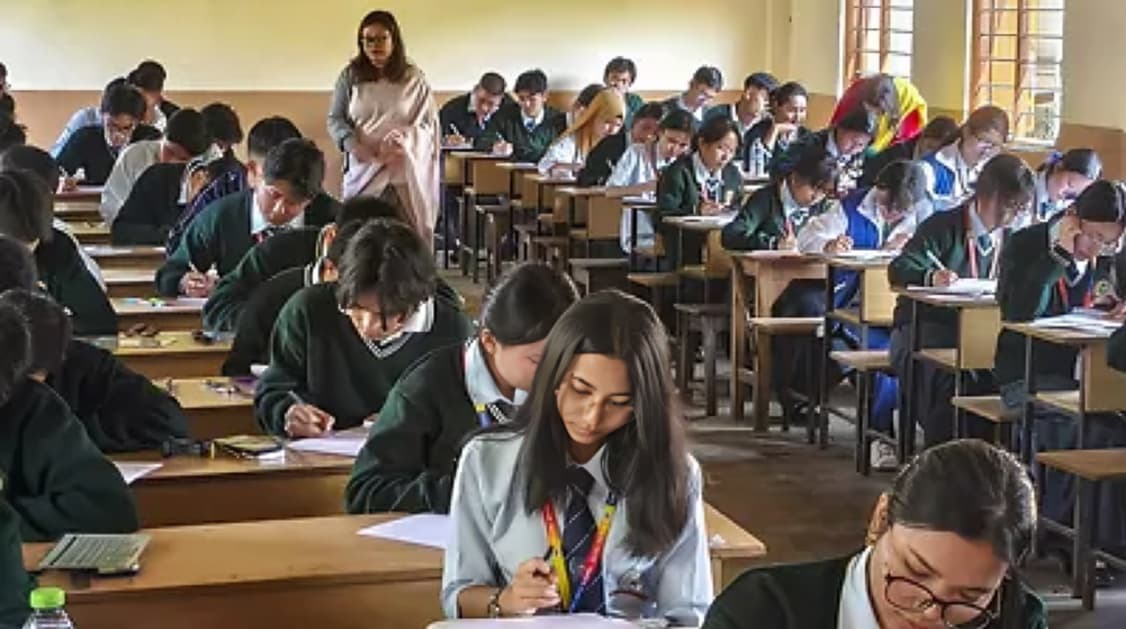
The change to online teaching means that students must attend classes remotely rather than travel to campus until the university announces a revision to the arrangement.
Faculty members have been asked to organise online sessions and provide necessary learning materials. Students should check with their respective departments for class links, attendance requirements, assignment deadlines and any changes to practical or laboratory sessions.
The administration has said that the purpose of the measure is to maintain academic continuity while protecting students' safety. The effectiveness of the arrangement will depend on timely communication, access to online learning platforms and continued academic support.
Students who face internet connectivity or technical difficulties may need to contact their departments to understand what assistance is available.
Why the Dispute Matters
The situation at Jamia highlights the challenges universities face when student representation, disciplinary procedures and campus security become points of disagreement.
Student unions can provide a formal mechanism for communicating concerns to university authorities. At the same time, institutions must consider applicable rules, safety requirements and the legal framework governing elections.
Resolving such disputes requires meaningful dialogue, transparent procedures and clear communication about the steps needed to address student demands.
The current protest also raises questions about how universities can safeguard the right to peaceful expression while maintaining an environment suitable for teaching and learning.