MPSC Aspirants End 10-Day Pune Protest After Maharashtra Government Announces Inquiry Panel
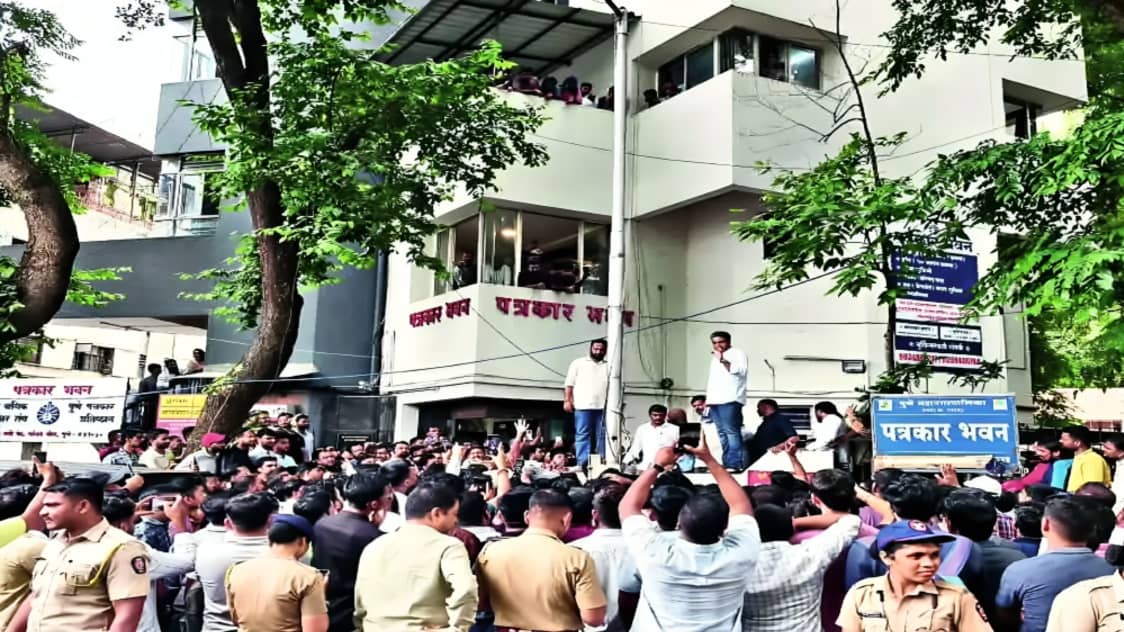
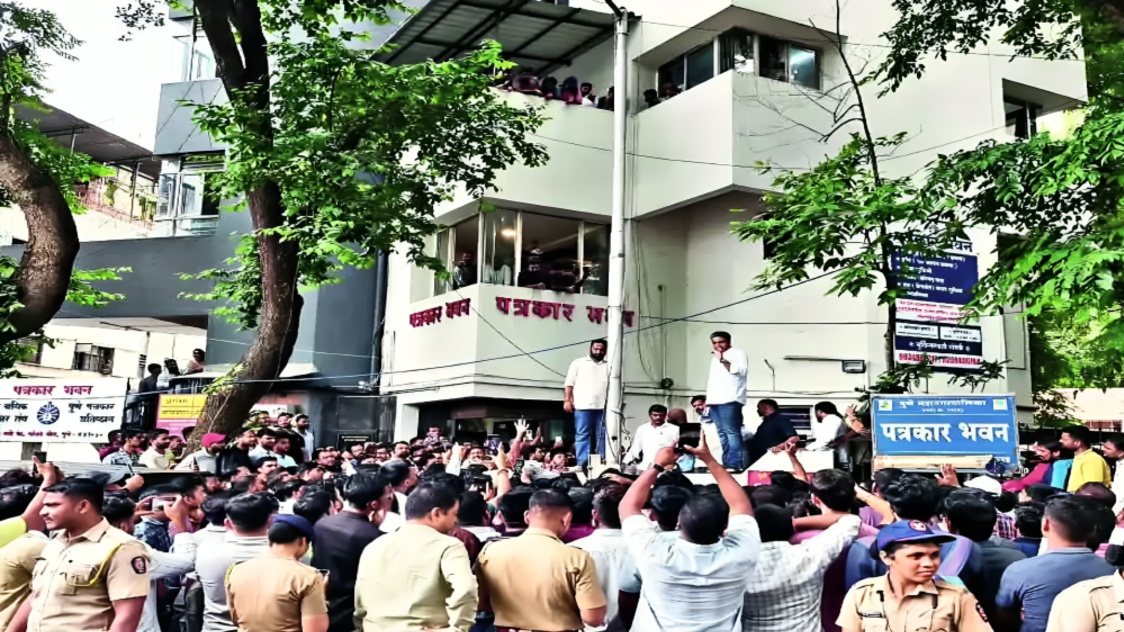
Maharashtra Public Service Commission (MPSC) aspirants have ended their 10-day protest in Pune after the state government announced an inquiry into alleged examination irregularities and question paper leaks. The development came late on Sunday, October 11, and early Monday, October 12, following discussions between government representatives and the protesting candidates.
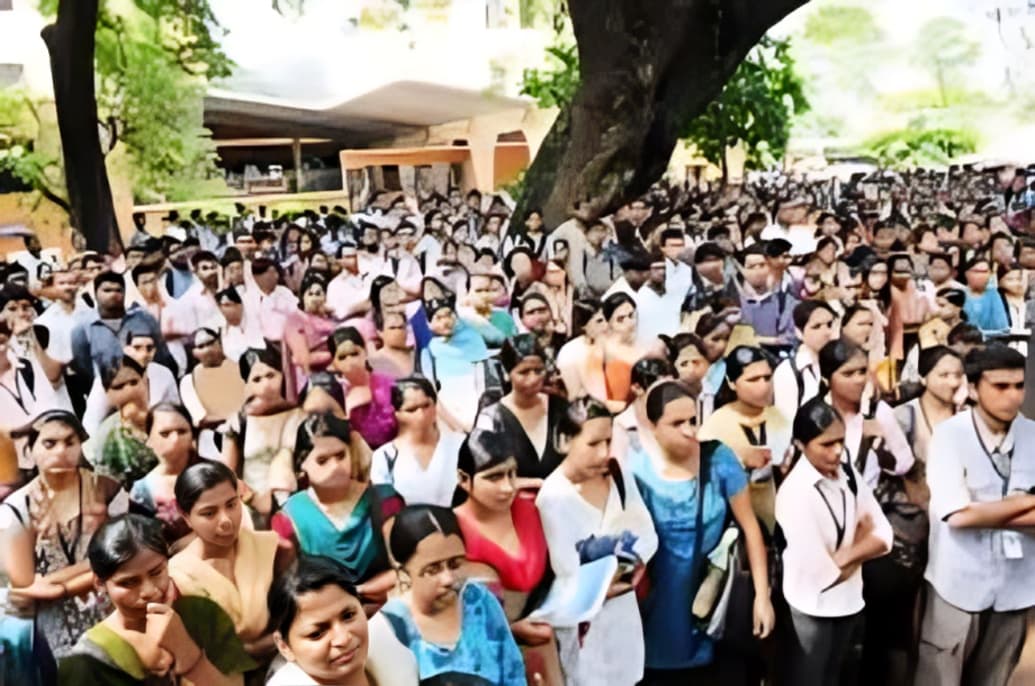
The aspirants had gathered near S M Joshi Bridge in Pune to demand accountability over alleged irregularities in recruitment examinations conducted by the commission. They also sought the resignation or removal of MPSC chairman Vivek Bhimanwar and called for reforms to make the examination and recruitment process more transparent.
The protest was called off after the government agreed to establish a high-level inquiry panel and address several demands raised by the candidates. Bhimanwar subsequently announced that he would proceed on leave until the inquiry was completed.
Maharashtra Government Forms Five-Member Inquiry Panel
The Maharashtra government has constituted a five-member panel to investigate allegations of irregularities, including question paper leaks, in MPSC examinations. Former judge Dilip Bhosale has been appointed as the panel's chairperson, while senior IAS officer Tukaram Mundhe will serve as its secretary.
The panel also includes retired judge P. D. Naik, retired administrative officer Ganesh Patil and senior police officer Lakhmi Gautam, according to media reports. The inquiry is expected to examine complaints relating to the commission's functioning, identify weaknesses in the examination system and recommend measures to improve transparency.
The committee is expected to complete its work within approximately two months, or 60 days, according to reports on the government's decision. Its scope includes alleged paper leaks and examination-related irregularities raised by the protesting aspirants.
The inquiry will be an important step in determining the facts behind the allegations. However, the allegations should not be treated as established findings before the panel completes its investigation and reports its conclusions.
MPSC Chairman Vivek Bhimanwar Proceeds on Leave
MPSC chairman Vivek Bhimanwar announced that he would go on leave until the inquiry into the alleged paper leaks and the commission's functioning was completed.
In a statement shared on social media, Bhimanwar said the state government had announced a judicial inquiry into the issue. He stated that he had decided to proceed on leave rather than continue in office during the inquiry, referring to the importance of ethics, the commission's credibility and the interests of students.
The announcement followed the aspirants' demand for action against the chairman. His resignation or removal had been a central issue during the protest, with candidates arguing that accountability and institutional reforms were necessary to restore confidence in the recruitment process.
The government did not announce his permanent removal as part of the immediate resolution. Instead, his decision to remain on leave until the inquiry was completed helped address the deadlock and allowed the protesters to suspend their agitation.
Why Were MPSC Aspirants Protesting?
The candidates had raised concerns over alleged irregularities in recruitment examinations conducted by the Maharashtra Public Service Commission. The controversy included allegations relating to the Drug Inspector examination and other concerns about the examination process.
The protesters sought an independent investigation, accountability for any proven wrongdoing and changes to the commission's functioning. They also called for greater transparency in conducting examinations, handling complaints and ensuring that recruitment procedures remain fair to all candidates.
For aspirants preparing for competitive government examinations, confidence in the examination system is essential. Allegations of question paper leaks can create concerns about fairness, particularly among candidates who spend considerable time and money preparing for recruitment tests.
The protest attracted political representatives who joined the candidates in pressing the government to respond. Public Works Department Minister Shivendra Raje Bhosale met the protesters as a government representative. NCP (Sharadchandra Pawar) MLA Rohit Pawar and Congress MLA Vishwajeet Kadam were also involved in discussions surrounding the agitation.
The discussions focused on the proposed inquiry, the chairman's position and other demands connected with examination reforms and the treatment of protesters.
Other Demands and Government Assurances
Apart from establishing an inquiry panel, the government agreed to address several additional demands raised during the agitation, according to media reports.
These included withdrawing cases registered against protesters in connection with the agitation and doubling the number of posts to be filled through the Group C examination scheduled for 2027. Reports also referred to the government's commitment to filling approximately 70,000 vacant posts over three years.
These measures are intended to address concerns among candidates about recruitment opportunities and the administration of examinations. However, the implementation of the assurances will be important. Candidates and other stakeholders are likely to look for formal government orders and further announcements explaining how the decisions will be carried out.
The inquiry panel is also expected to recommend improvements to the commission's administration and examination procedures. Its findings could help identify gaps in existing safeguards and suggest ways to prevent similar controversies in the future.
What Happens Next?
With the protest called off, attention will now turn to the inquiry panel's work and the government's follow-up action. The committee is expected to examine the allegations, review the commission's functioning and recommend reforms within its allotted timeframe.
The inquiry's findings will be important in determining whether the allegations are supported by evidence and what further action may be required. Any decisions concerning officials or examination-related procedures will depend on the findings and the relevant government processes.
For MPSC aspirants, the immediate development is the announcement of an inquiry and the chairman's decision to proceed on leave until it is completed. The protest's conclusion does not, by itself, establish whether the alleged paper leaks occurred or resolve every concern about the recruitment system.
The government will face the task of ensuring that the investigation is conducted fairly and that any recommendations are followed by meaningful action. Clear communication about the inquiry's progress, recruitment schedules and examination reforms will also be important for candidates awaiting government job opportunities.
The end of the Pune protest marks a temporary resolution to the immediate standoff between the aspirants and the state government. The longer-term outcome will depend on the inquiry's findings, the implementation of promised measures and whether the resulting reforms strengthen confidence in the Maharashtra Public Service Commission's examination process.
Sources: The Indian Express, Hindustan Times and India Today.