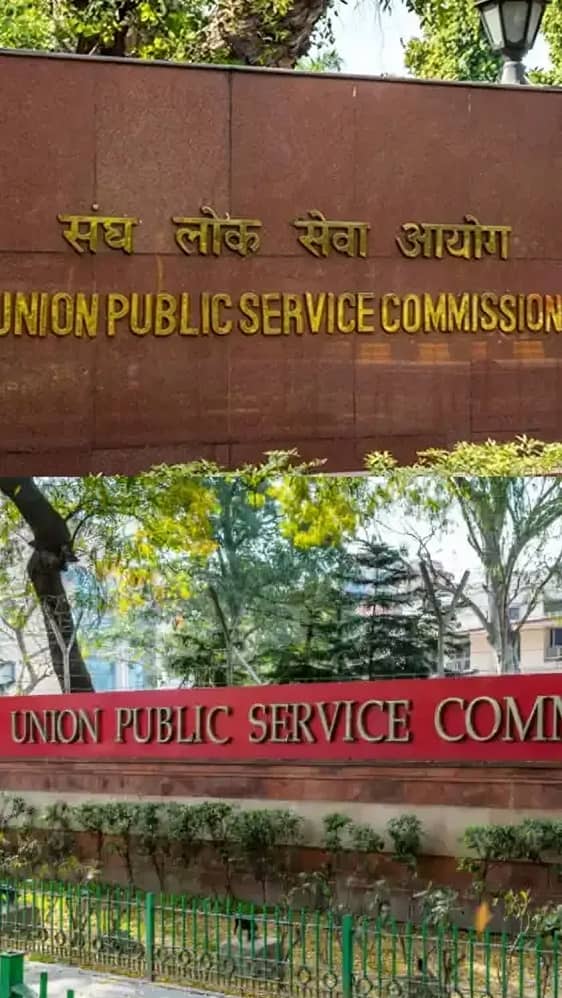
The Government of India has reiterated in the Rajya Sabha that the Union Public Service Commission (UPSC) conducts interviews without bias, ensuring a fair and transparent selection process. According to official statements, all stages of the civil services recruitment—including written exams and personality tests—adhere strictly to merit-based evaluation, free from political influence, discrimination, or favoritism.
Officials emphasized that UPSC employs rigorous procedures to maintain neutrality during the interview process. Panel members are trained to assess candidates objectively, focusing on skills, knowledge, analytical ability, and suitability for civil services roles. The government noted that regular monitoring, standardized evaluation parameters, and strict adherence to recruitment rules are integral to upholding fairness.
In parallel, the Supreme Court of India has issued directives requiring the UPSC to enhance accessibility for differently-abled candidates. The judgment highlights the importance of inclusive practices, ensuring that candidates with disabilities have equal opportunities to compete for civil services positions. Accessibility measures include providing ramps at examination centers, assistive devices, scribes, additional time, and other accommodations as per individual requirements.
Legal experts note that this initiative aligns with constitutional provisions guaranteeing equality and non-discrimination, as well as the Rights of Persons with Disabilities Act, 2016. The Supreme Court emphasized that all candidates, regardless of physical limitations, must have a level playing field to demonstrate their abilities.
UPSC officials have confirmed that steps are being taken to implement the Court’s directives. Examination centers are being upgraded to improve accessibility, and staff are being trained to assist differently-abled candidates effectively. These measures also include providing necessary guidance before the examination and interview process, ensuring a smooth experience for all participants.
Civil services aspirants have welcomed these developments, highlighting that transparency and inclusivity are crucial for maintaining public trust in the recruitment process. Experts believe that unbiased interviews, combined with accessibility measures, will encourage more candidates from diverse backgrounds to apply, enhancing representation in government services.
The UPSC recruitment process is considered one of the most prestigious and competitive in the country, attracting thousands of applicants annually. The government’s assurance of unbiased evaluation and the Supreme Court’s directives for accessibility reinforce the integrity and credibility of the civil services selection system.
In conclusion, the Government of India’s statement and the Supreme Court’s guidelines underscore a commitment to fair, transparent, and inclusive recruitment practices in the UPSC. By addressing potential barriers for differently-abled candidates and maintaining strict merit-based assessment, the civil services selection process continues to uphold standards of excellence while promoting equal opportunity for all aspirants.