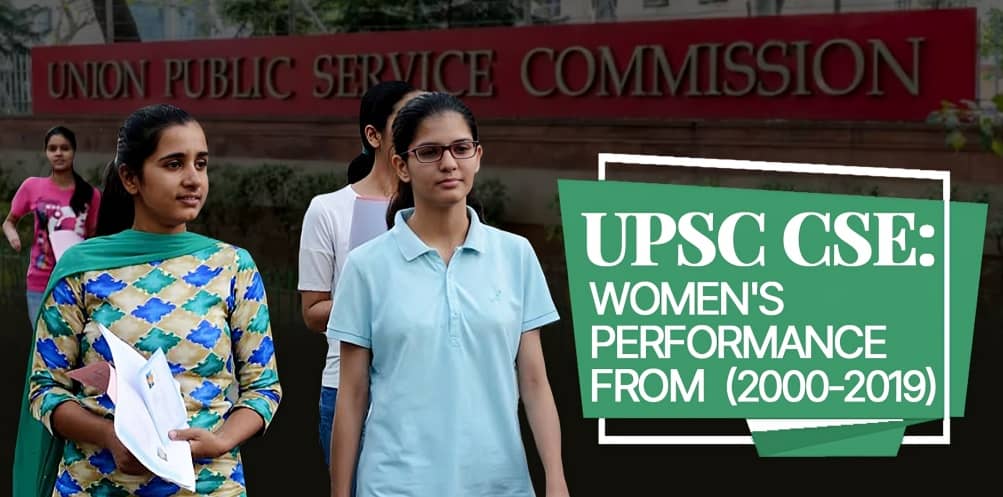
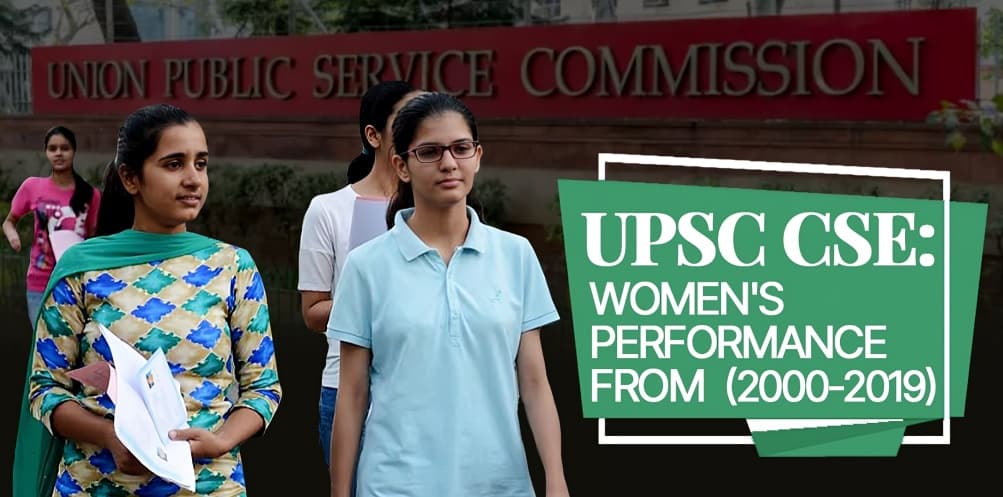
Recent data from the government indicates a significant rise in the number of women successfully qualifying the Union Public Service Commission Civil Services Examination (UPSC CSE) over the past five years. According to official figures, female candidates who clear the examination have doubled in number, signalling a growing presence of women in India’s top administrative roles.
The UPSC CSE is widely regarded as one of the most challenging examinations in India, selecting officers for services such as the Indian Administrative Service (IAS), Indian Police Service (IPS), Indian Foreign Service (IFS), and various other central services. Historically, male candidates have dominated the list of successful candidates, but the recent trend suggests a shift towards more balanced gender representation.
Experts attribute this rise in successful female candidates to several factors. Improved access to quality coaching and online learning resources has played a major role. Digital platforms and e-learning tools have allowed aspirants from smaller towns and cities to compete on an equal footing with candidates from metropolitan areas. Additionally, mentorship programs, women-centric study groups, and increased societal encouragement have contributed to higher participation and performance by female aspirants.
The government data also points to the changing demographics of applicants. More women from diverse socio-economic backgrounds are entering the examination, reflecting broader educational opportunities across India. Female candidates are performing strongly in both the preliminary and mains stages of the exam, which include a combination of objective tests, essays, and interview assessments.
The doubling of women qualifiers has implications for India’s civil services. A more balanced representation in administration can bring diverse perspectives to policymaking, governance, and public service. Female officers have been instrumental in implementing inclusive policies, especially in areas like women’s safety, health, education, and social welfare programs. Their growing presence in senior positions may influence long-term structural changes within government institutions.
Despite the positive trend, challenges remain. Women candidates often face societal pressures, family responsibilities, and balancing preparation with other obligations. Continued efforts to provide flexible learning options, mentorship, and guidance will be necessary to sustain and further enhance female participation.
In conclusion, the government data underscores a promising shift in the UPSC examination landscape. Doubling the number of women qualifiers in just five years represents progress toward gender parity in public service. With continued support, encouragement, and equitable access to resources, it is expected that the trend will strengthen further, enabling women to occupy increasingly influential positions in India’s administrative framework.