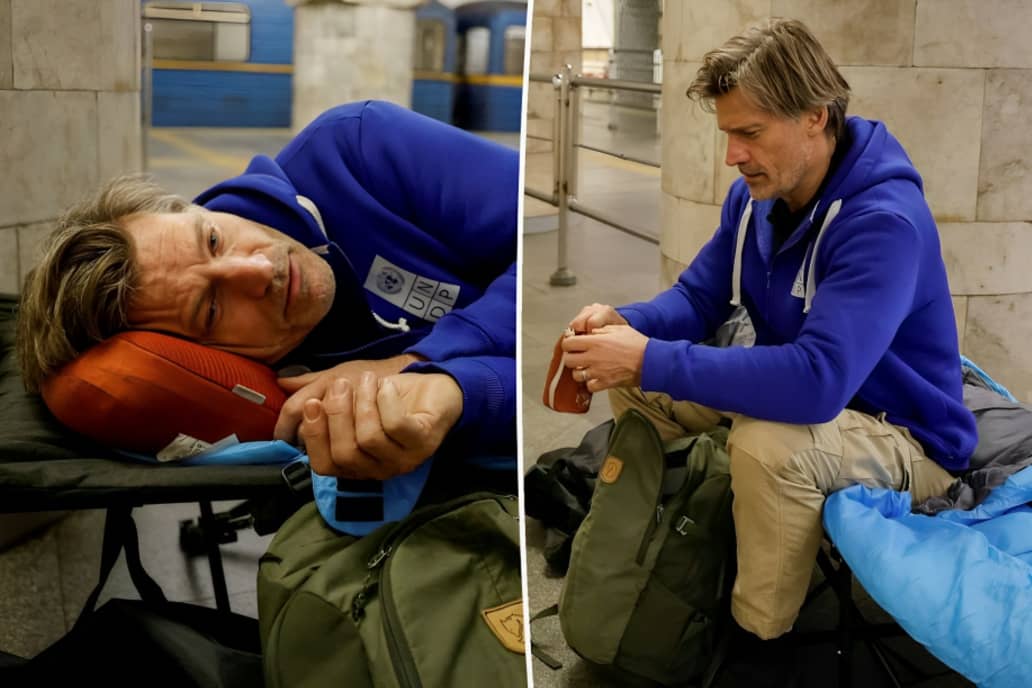
Actor Nikolaj Coster-Waldau, widely recognised for his role in the popular television series Game of Thrones, spent a night sheltering inside a metro station in Kyiv, Ukraine, amid Russian air raid threats. His experience offered a direct glimpse into the difficult circumstances faced by ordinary Ukrainians, who continue to deal with the uncertainty and disruption caused by the ongoing war. The actor's stay in the underground station highlighted how public transport infrastructure has become an important place of refuge for residents during periods of potential danger.
Coster-Waldau is internationally known for portraying Jaime Lannister in HBO's fantasy drama Game of Thrones. The series earned a global audience and made several of its cast members familiar faces among television viewers worldwide. However, his experience in Kyiv brought attention to a very different subject from the entertainment industry. By spending the night in a metro station during an air raid threat, the actor encountered some of the security challenges that have become part of everyday life for people living in the Ukrainian capital.
Kyiv's metro system serves as more than a public transport network during periods of heightened security concerns. Underground stations can provide shelter when air raid alerts warn residents of possible attacks. People may leave their homes and move to safer locations when warnings are issued, with metro stations among the places used for protection. For many residents, this can mean spending long periods underground and waiting until authorities indicate that the immediate threat has passed.
The experience of taking shelter can be particularly difficult for families, elderly people, children and individuals with health or mobility needs. Residents may have to carry essential belongings, find a suitable place to rest and remain alert to further announcements. Even when an attack does not occur in their immediate area, the uncertainty surrounding an air raid warning can interrupt normal routines and create anxiety. These circumstances demonstrate how the effects of war extend beyond the battlefield and influence the everyday lives of civilians.
Coster-Waldau's overnight stay provided an opportunity to draw attention to these realities. For an international visitor, spending a night in an underground shelter can offer a different understanding of the situation than reading about the conflict from a distance. It brings the practical challenges of living under repeated security threats into focus, including the need to respond quickly to alerts and find protection when required.
The actor's experience also highlights the continuing importance of civilian safety in Ukraine. Since the conflict began, people in affected areas have had to adjust their daily lives to changing security conditions. Air raid warnings can affect travel, work, education and family activities. Residents may have to change their plans at short notice, while businesses and public services can face interruptions whenever security alerts are issued.
For people outside Ukraine, reports about the war often focus on military developments, political statements and international diplomatic efforts. However, the experience of civilians provides another important perspective. The need to seek shelter, wait for alerts to end and return to everyday activities reflects the personal cost of a prolonged conflict. Public spaces such as metro stations can take on an additional role during emergencies, becoming temporary shelters for people seeking protection.
Coster-Waldau's presence in Kyiv has therefore drawn attention beyond his identity as a television actor. His experience connects an internationally recognised entertainment figure with the daily realities of people living through the war. It also provides an opportunity to remember that behind reports about military activity are families and communities dealing with uncertainty and safety concerns.
The overnight sheltering experience does not, by itself, describe the full security situation in Ukraine or establish the details of any particular military incident. However, it illustrates how air raid threats can affect visitors and residents alike. For Ukrainians, taking shelter during warnings has become a difficult part of life in a country affected by continuing hostilities.
As the conflict continues, civilian protection remains an important concern. The experience of Nikolaj Coster-Waldau in Kyiv's metro station has brought renewed attention to the people who depend on underground shelters during periods of danger. While the actor is best known for his work in entertainment, this visit has highlighted a serious humanitarian reality: ordinary residents continue to face disruption, uncertainty and the challenge of finding safety amid the ongoing war.