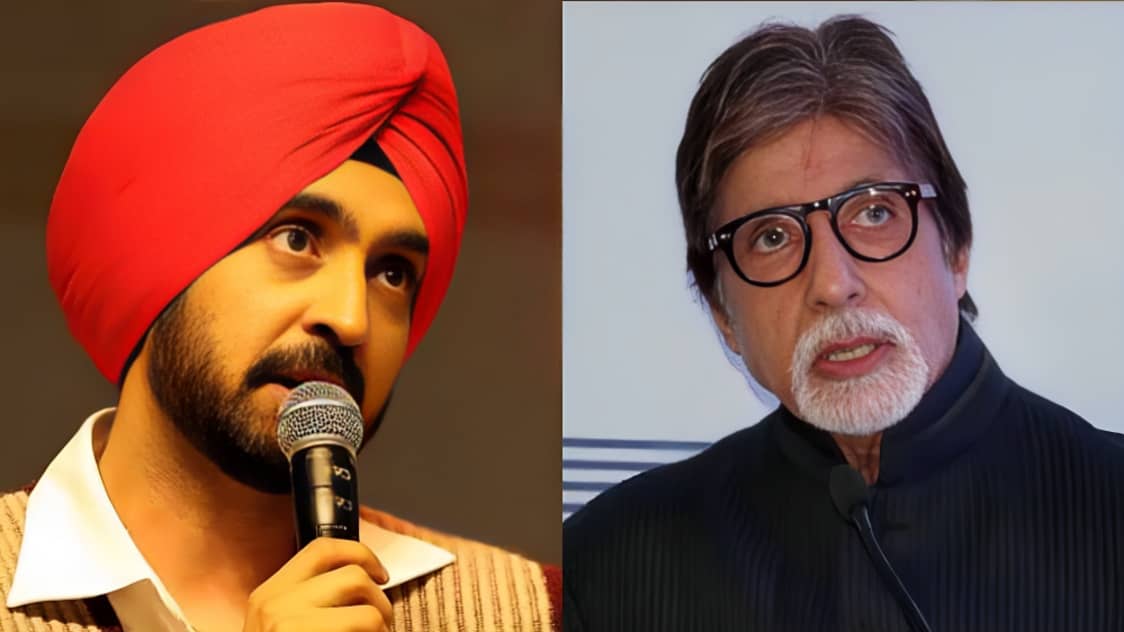
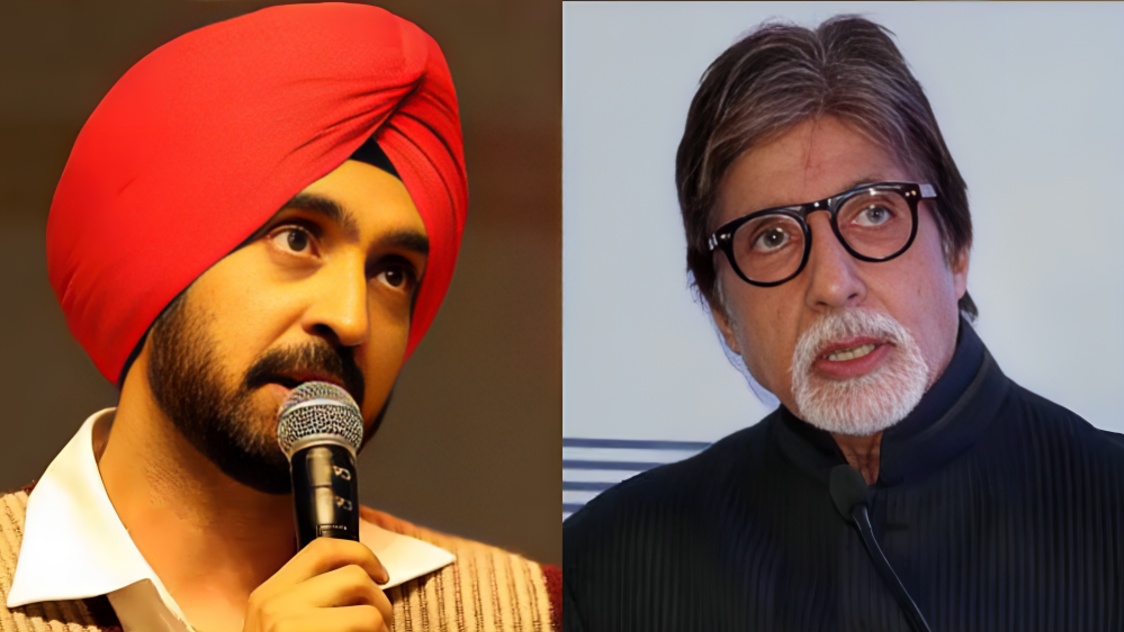
Mumbai Mayor Receives Threat Email Naming Amitabh Bachchan and Diljit Dosanjh
Mumbai Mayor Ritu Tawde’s office reportedly received a threatening email on October 23, 2026, raising security concerns after the message named Bollywood actor Amitabh Bachchan and Punjabi singer Diljit Dosanjh. According to media reports, the email referred to Bachchan’s residence, Jalsa, in Mumbai’s Juhu area, and Dosanjh’s upcoming concert scheduled for November 27 at Mahalaxmi Racecourse.
The message also reportedly mentioned the mayor’s office and schools. Following the threat, Mumbai Police and security agencies initiated precautionary checks at locations identified in the email. Media reports stated that no suspicious objects were found during the searches. Authorities are investigating the origin of the message and attempting to establish the identity of the sender.
The allegations contained in the email have not independently established that an attack was planned or that the sender had the means to carry out the threats.
Amitabh Bachchan’s Jalsa Residence Mentioned
Amitabh Bachchan, one of India’s best-known film actors, was among the personalities reportedly named in the threatening message. The email referred to Jalsa, his residence in Mumbai’s Juhu neighbourhood.
The mention of a celebrity’s residence in a threat message can lead to additional security precautions while authorities assess the credibility of the information. However, the appearance of a person’s name in such an email does not establish that an attack is imminent.
Police and security agencies are responsible for examining the message, checking the locations mentioned and determining whether further protective measures are required. No claim about the sender’s identity or motive should be treated as confirmed until supported by official findings.
Diljit Dosanjh’s November 27 Concert Also Mentioned
The reported email also referred to Diljit Dosanjh’s upcoming Mumbai concert, scheduled for November 27, 2026, at Mahalaxmi Racecourse as part of his Aura India Tour.
Dosanjh has a large audience in India and internationally, and his concerts can attract significant crowds. Security arrangements for major live events typically involve coordination between organisers, venue authorities, local police and other relevant agencies.
The reported threat has raised questions about security around the scheduled Mumbai event. However, the email alone does not confirm whether the concert will be postponed, cancelled or allowed to proceed as planned. Any changes to the event should be confirmed through official announcements from the organisers or relevant authorities.
Concertgoers should rely on verified updates from the event organisers and authorised ticketing platforms rather than unconfirmed social media posts.
Police Conduct Security Checks
Following the receipt of the email, Mumbai Police and security agencies reportedly conducted checks at locations mentioned in the message. According to reports published on October 23, the searches did not identify suspicious objects.
The absence of suspicious objects during those checks is an important reported development, but it does not by itself resolve questions about the email’s origin or credibility. Investigators must still examine the message and establish who sent it.
Threat emails can trigger precautionary security measures even when their claims have not been verified. Authorities assess the contents, check relevant locations and investigate available digital evidence to determine whether a threat is credible.
The investigation is also important for identifying whether the message was sent as a deliberate attempt to cause alarm, disrupt a public event or create a security concern. Such conclusions should be based on evidence rather than speculation.
Reports Also Mention Threats Involving Schools
Media reports about the incident also referred to threats involving schools. Some reports said the message mentioned multiple schools, while coverage of related threats has included references to educational institutions in other locations.
The details of each reported email need to be distinguished carefully. It should not be assumed that every school-related threat was contained in the same message or that separate incidents had a common sender unless investigators confirm a connection.
School authorities and parents should follow verified communications from the relevant institutions and police. Any suspicious message should be reported to law enforcement rather than circulated without verification.
Investigation Continues
The main questions for investigators are who sent the email, where it originated and whether the claims in the message represent a credible security threat. The contents of a threatening email, including references to public figures, venues or organisations, are allegations made by the sender and should not be treated as independently verified facts.
As of the reports published on October 23, 2026, authorities had carried out precautionary checks, and media reports said no suspicious objects were found during the searches. Further details about the sender, possible motive or any arrests should be included only when confirmed by police or reliable reporting.
The incident highlights the importance of prompt security checks and responsible reporting when threats target public figures and large public gatherings. Until authorities release further verified information, the status of the investigation and any changes to the November 27 concert should be confirmed through official updates.