
November 24, 2026
The makers of the Bollywood film Ramayana Part 1 are reportedly facing a police complaint over allegations of distorting the narrative of the Hindu epic and hurting religious sentiments.
The film, featuring Ranbir Kapoor and Yash in prominent roles, has attracted considerable attention because of its adaptation of one of India’s most significant religious and cultural narratives.
According to the supplied report, a police complaint has been registered against the filmmakers, raising concerns about the cinematic representation of the Ramayana.
However, the specific scenes, dialogues or creative decisions mentioned in the complaint have not been disclosed in the available information.
The development has renewed discussions surrounding the responsibilities of filmmakers when adapting religious texts and culturally significant stories for contemporary audiences.
Police Complaint Raises Concerns Over Religious Representation
The complaint reportedly alleges that the makers of Ramayana Part 1 have altered elements of the traditional narrative in a manner that hurts Hindu religious sentiments.
The Ramayana holds considerable religious, cultural and historical significance for millions of people in India and across the world.
Consequently, cinematic adaptations of the epic often attract public attention regarding their interpretation of characters, events and religious traditions.
The allegations against the filmmakers remain unproven, and the available information does not establish whether any offence has occurred.
Details regarding the complainant, police station, applicable legal provisions and current status of the complaint were not included in the supplied report.
It also remains unclear whether a First Information Report has been registered or whether the matter is currently limited to a police complaint.
Ranbir Kapoor and Yash Lead the Ramayana Cast
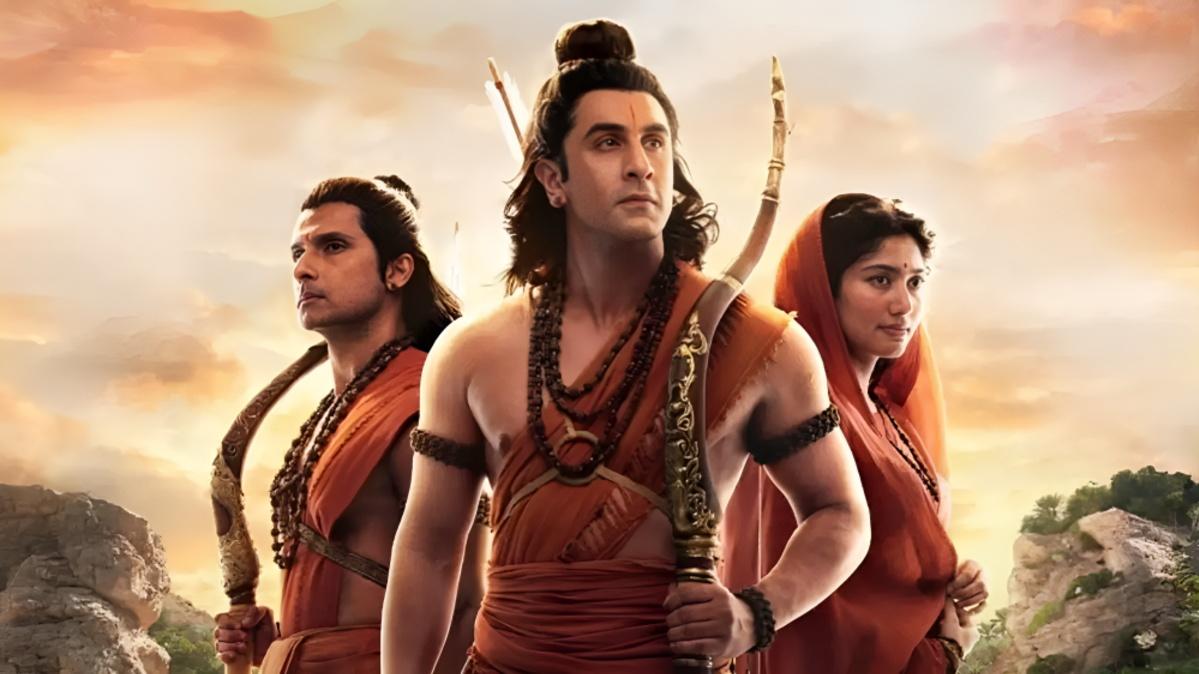
Ramayana Part 1 features Ranbir Kapoor as Lord Rama and Kannada cinema star Yash as Ravana.
The project is directed by Nitesh Tiwari, who is known for directing acclaimed Hindi films such as Dangal and Chhichhore.
Sai Pallavi portrays Goddess Sita, bringing together prominent performers from different Indian film industries.
The adaptation has attracted interest because of its subject matter, production ambitions and ensemble cast.
Ranbir Kapoor has established himself as one of the leading actors in Hindi cinema through performances in films such as Rockstar, Barfi, Sanju and Animal.
Yash gained widespread recognition across India following the commercial success of the KGF film franchise.
Their involvement in Ramayana has contributed to the attention surrounding the project.
Religious Sensitivity in Cinematic Adaptations
The Ramayana has been adapted into numerous films, television programmes, theatrical productions and literary works over several decades.
Different versions of the epic exist across Indian languages, regional traditions and cultural communities.
While these adaptations may differ in their presentation, filmmakers often face expectations regarding the respectful portrayal of religious figures and significant events.
Creative interpretations can generate discussions about the relationship between artistic expression and established cultural traditions.
The latest complaint against the makers of Ramayana Part 1 highlights the continuing importance of these discussions within the Indian entertainment industry.
However, determining whether a particular representation violates any legal provision requires an examination of the relevant facts and applicable laws.
Creative Freedom and Legal Responsibilities in Indian Cinema
Indian filmmakers have constitutional protections relating to freedom of speech and expression, subject to reasonable restrictions permitted under the Constitution.
Films intended for public theatrical exhibition are also subject to certification requirements administered by the Central Board of Film Certification.
The certification process considers applicable statutory provisions and guidelines governing cinematic content.
Nevertheless, film certification and the examination of a police complaint are separate processes.
The registration of a complaint does not automatically establish criminal liability, nor does it necessarily result in restrictions on a film’s exhibition.
Any subsequent legal proceedings would depend on the nature of the allegations, available evidence and decisions made by the relevant authorities.
The present matter should therefore be reported as an allegation rather than a confirmed finding of wrongdoing.
Response From Ramayana Makers Awaited
The supplied report does not include an official response from director Nitesh Tiwari, the production team or the actors associated with Ramayana Part 1.
It remains unclear whether the filmmakers have received any formal notice from police authorities or initiated a legal response.
An official statement from the production team could provide additional context regarding the allegations and the creative decisions questioned in the complaint.
Until further information becomes available, conclusions regarding the validity of the allegations would be premature.
The filmmakers and other individuals associated with the production should be given an opportunity to respond to the claims.
Ramayana and Its Cultural Significance
The Ramayana remains one of the most influential epics in Indian literature and religious tradition.
Its narrative explores themes of duty, devotion, morality, sacrifice, leadership and the conflict between righteousness and wrongdoing.
The epic has influenced Indian literature, performing arts, television and cinema for generations.
Its enduring cultural significance makes contemporary adaptations particularly important to audiences who maintain strong connections with its characters and teachings.
Filmmakers adapting such material must navigate audience expectations while presenting narratives through modern cinematic techniques.
Further Legal Developments Awaited
The reported police complaint has brought additional attention to Ramayana Part 1 and the broader discussion surrounding religious representation in Indian cinema.
The available information does not confirm whether police authorities have initiated a formal investigation, registered an FIR or taken further action against the production team.
There is also no confirmed information in the supplied report indicating that a court has ordered a ban or imposed restrictions on the film.
Further clarity is expected through official statements from police authorities, the complainant and the filmmakers.
For now, the matter remains a reported police complaint involving allegations of narrative distortion and hurt religious sentiments, rather than an established legal finding against the makers of Ramayana Part 1.