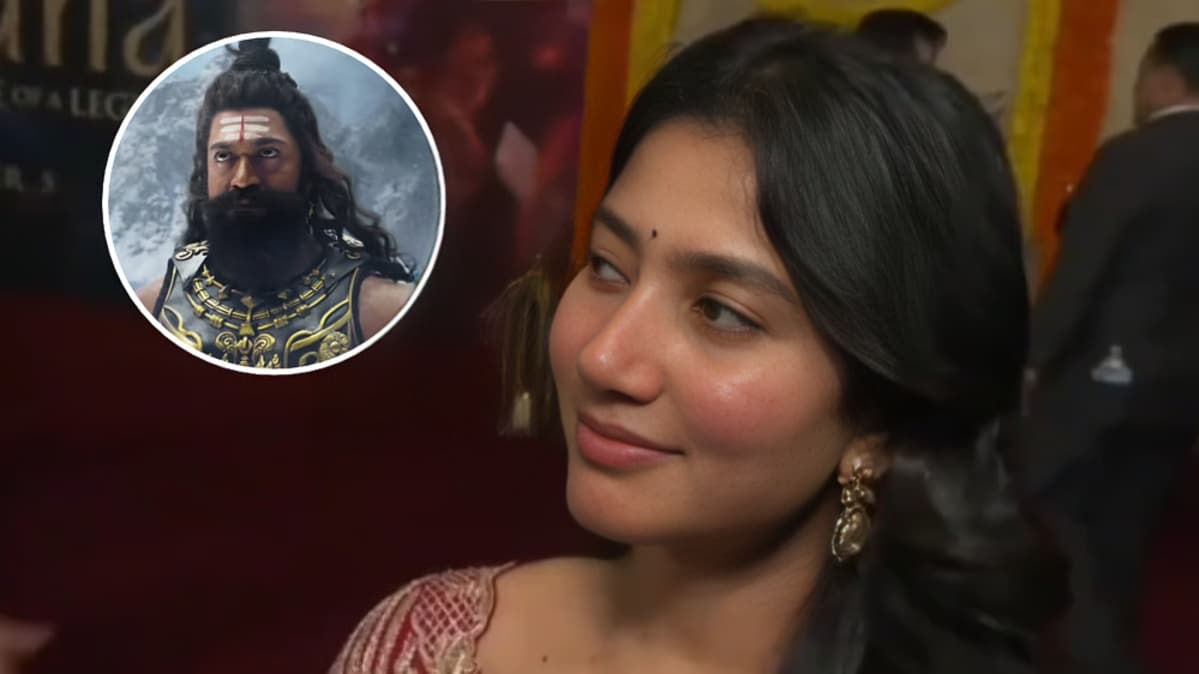
Sai Pallavi’s Comments on Ravana Spark Debate After Ramayana Premiere
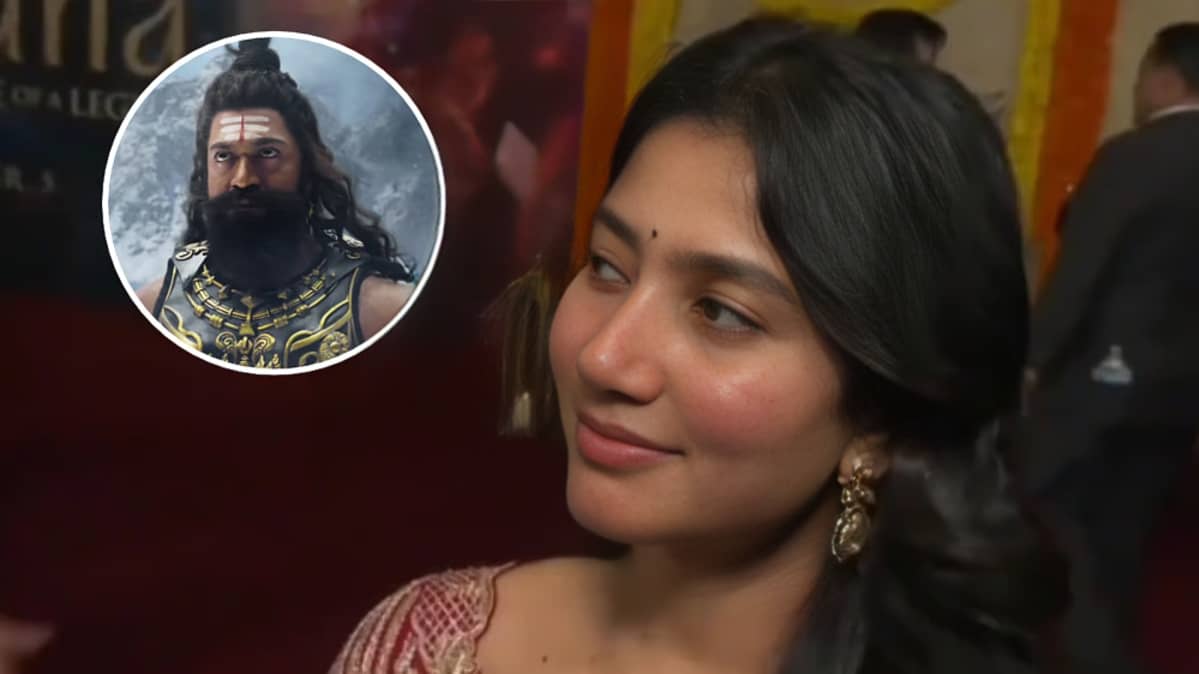
Actress Sai Pallavi has attracted attention following her remarks about Ravana at the Los Angeles premiere of Ramayana: Rise of a Legend. The actress, who plays Sita in the upcoming mythological film, said that Ravana is not entirely bad while discussing the epic’s moral themes. Her comments have generated mixed reactions online, with viewers expressing different opinions about the character and the message behind her statement.
During her interaction with international media at the premiere, Sai Pallavi spoke about how the Ramayana encourages people to reflect on their own actions. She explained that those who approach the epic as a scripture can examine the qualities of good and evil within themselves. According to her, recognising negative traits and making changes over time is an important part of that reflection.
Her statement has become a topic of discussion because Ravana is traditionally portrayed as the principal antagonist in the Ramayana. The character's role in abducting Sita and his conflict with Rama are central to the epic's narrative. As a result, comments about his moral character often invite strong responses from audiences familiar with the story.
What Sai Pallavi Said About Ravana
At the Los Angeles event, Sai Pallavi discussed the broader lessons audiences could take from the Ramayana. She suggested that the characters should encourage people to look inward rather than simply judge others as good or bad.
Her remarks included the statement that Ravana is not all bad. She also said it was important to recognise the negative qualities within oneself and work towards changing them over time. Her explanation focused on personal reflection and moral improvement rather than presenting a detailed defence of Ravana's actions.
The actress's comments have been interpreted in different ways. Some viewers see the statement as a reminder that people can possess both positive and negative qualities. Others believe that discussions about Ravana should place greater emphasis on his actions and the consequences of his decisions within the epic.
The debate illustrates how a short statement about a well-known mythological character can lead to broader conversations about morality, religious tradition and the interpretation of ancient literature.
Social Media Users Share Different Opinions
After footage of Sai Pallavi's interaction circulated online, users began discussing her interpretation of Ravana. Reactions have been mixed, with some people agreeing with the idea that human nature cannot always be reduced to a simple division between good and evil. Others have questioned whether describing Ravana as not entirely bad could be misunderstood as minimising his actions in the traditional story.
For supporters of her view, the statement offers an opportunity to consider the complexity of human behaviour. They may interpret her comments as an encouragement to acknowledge personal weaknesses and improve one's conduct.
Those who disagree may approach the issue from a traditional understanding of the Ramayana, in which Ravana's actions establish him as the antagonist in his conflict with Rama. For these viewers, the distinction between recognising a character's abilities or qualities and judging his actions remains important.
It is therefore useful to understand Sai Pallavi's statement in its full context. She was discussing the epic's moral lessons and the importance of self-examination. Her remarks should not automatically be treated as a complete reinterpretation of the Ramayana or as a rejection of its traditional themes.
The online discussion reflects the different expectations audiences bring to adaptations of culturally significant stories. It also shows how actors' comments during film promotions can become subjects of public debate beyond the film itself.
Sai Pallavi Plays Sita in Ramayana: Rise of a Legend
Sai Pallavi plays Sita in Ramayana: Rise of a Legend, directed by Nitesh Tiwari. The film features Ranbir Kapoor as Rama, Yash as Ravana, Sunny Deol as Hanuman and Ravie Dubey as Lakshman.
The production is planned as a two-part cinematic adaptation of the Indian epic. Its cast and scale have drawn attention during promotional events, including the international premiere in Los Angeles. The film aims to present the story to audiences in India and abroad through a large-scale cinematic production.
Sai Pallavi also spoke about the film's visual effects, technical work and potential to introduce Indian culture and epic literature to international viewers. She expressed confidence in the work of the technical team and described the film as an opportunity for audiences unfamiliar with Indian epics to explore the story.
Her comments at the premiere covered both the production and the moral themes of the source material. The discussion about Ravana has become one of the prominent talking points from her media interaction.
Ravana’s Character and the Meaning of Good and Evil
Ravana is a central character in the Ramayana, traditionally associated with power, knowledge and the conflict that drives the story. His abduction of Sita leads to the confrontation with Rama and forms a major part of the epic's narrative.
Interpretations of Ravana can differ across literary, cultural and regional traditions. Some discussions focus on his abilities and strengths, while others emphasise the consequences of his decisions and his role as the antagonist. These different perspectives can influence how audiences respond when a modern film or its cast discusses the character.
Sai Pallavi's statement has brought these questions into the spotlight during the film's promotional period. Her emphasis on identifying good and bad qualities within oneself places the focus on personal responsibility and the possibility of change.
At the same time, audiences may continue to distinguish between acknowledging a character's complexity and approving of the actions attributed to that character in the epic. The discussion demonstrates why adaptations of culturally significant stories often receive close attention from viewers.
Debate Continues Ahead of the Film’s Release
The reactions to Sai Pallavi's comments show that the Ramayana remains an important cultural story that can prompt strong and varied responses. For some viewers, her remarks offer a message about self-awareness and personal growth. For others, the wording raises questions about how familiar characters should be described in a modern adaptation.
As the film approaches its theatrical release, audiences are likely to continue discussing its portrayal of Rama, Sita and Ravana, along with its visual presentation and interpretation of the epic. The Los Angeles premiere has already generated attention for the cast and the film's ambitious production.
Ultimately, Sai Pallavi's remarks have opened a wider conversation about morality and the interpretation of Ravana. Whether viewers agree with her perspective or not, the debate highlights the continuing relevance of the Ramayana and the different ways people engage with its characters and lessons.