Journalist Sandhya Ravishankar has criticised the makers of Parineeti Chopra’s film Reporting Live, alleging that the story was used without giving her proper credit. Her comments have brought attention to the importance of acknowledging original reporting and accurately representing the work of journalists in films.
Sandhya Ravishankar shared her criticism through a post on the social media platform X. In her statement, she expressed disappointment over the film and questioned the way it portrayed reporters and newsroom culture. She also alleged that the makers had used her story without recognising her contribution.
Her comments raise two important issues concerning the relationship between journalism and the entertainment industry. The first is the question of credit when real-life reporting or journalistic experiences are used as inspiration for a film. The second concerns how films represent the working environment, responsibilities and challenges faced by journalists.
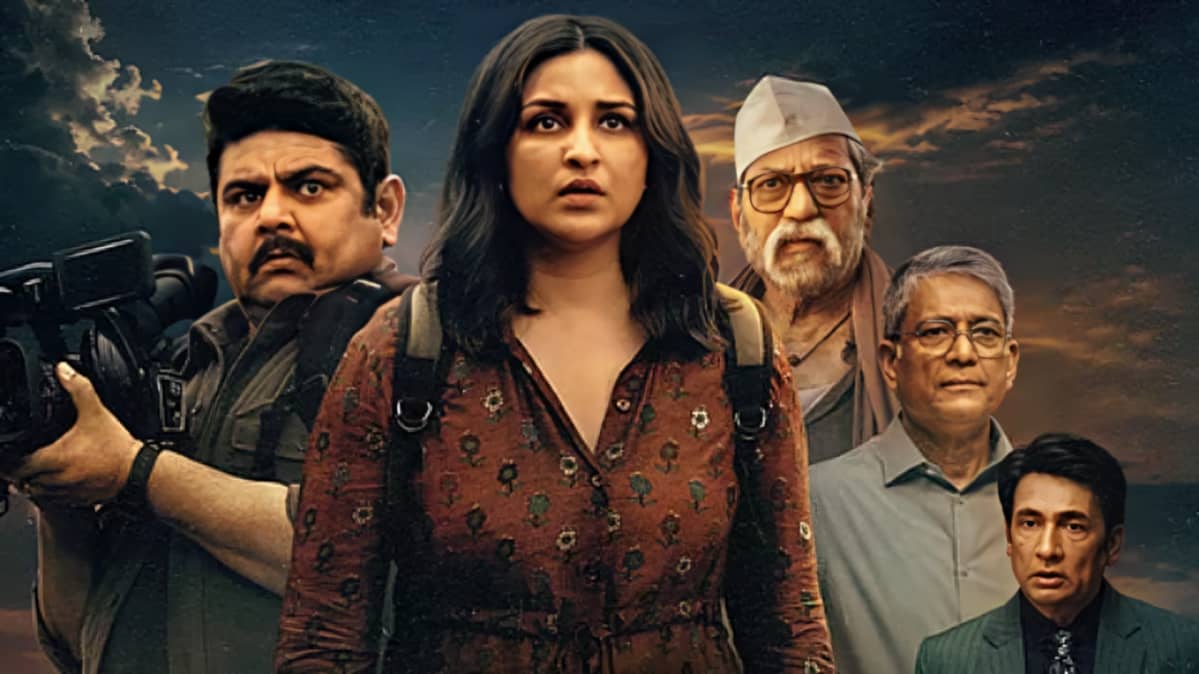
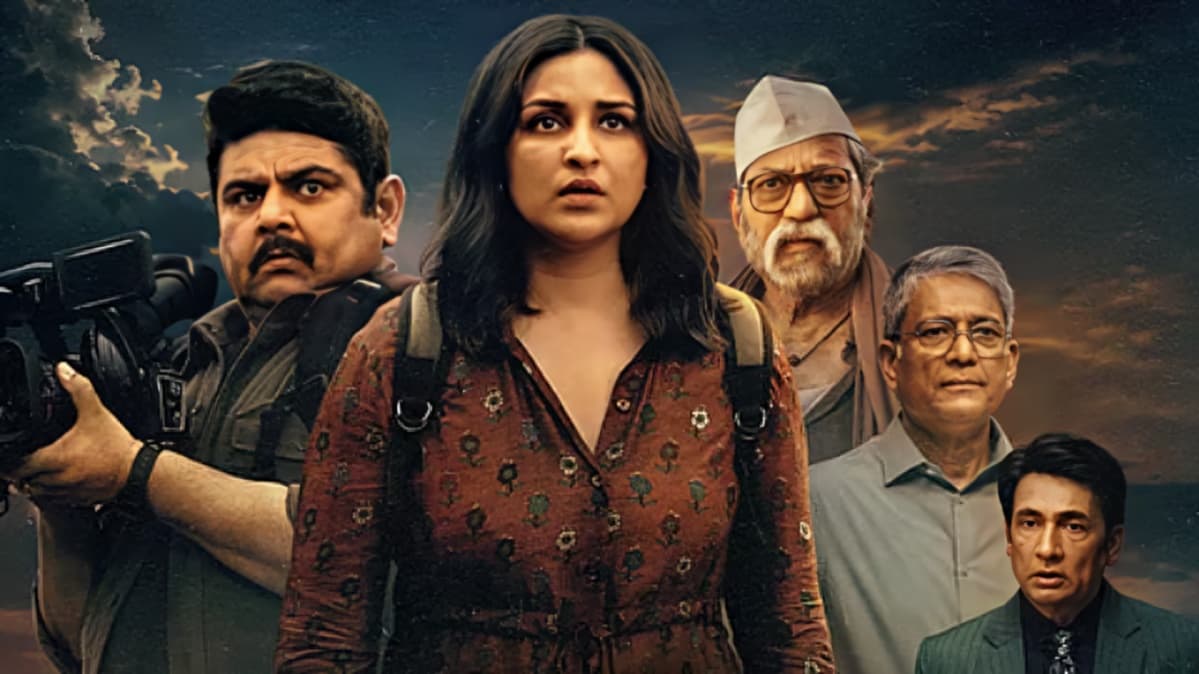
Reporting Live features Parineeti Chopra in a story connected to the world of journalism. Films based on newsrooms often attempt to present the pressures faced by reporters, the competition between media organisations and the challenges involved in covering important events. However, the accuracy of such portrayals can become a subject of discussion, particularly when journalists feel that their professional experiences have not been represented fairly.
Sandhya's criticism focuses on what she considers an inadequate representation of reporters and newsroom operations. Her statement that Parineeti's portrayal was nothing like any reporter reflects her dissatisfaction with the characterisation and the film's approach to journalism. Her comments also highlight the difference between fictional storytelling and the realities of working in a newsroom.
Journalism involves several responsibilities, including gathering information, verifying facts, speaking to sources and presenting news accurately. Reporters often work under tight deadlines and face pressure while covering political developments, public issues, crime, entertainment and other important events. Their work also requires professional judgement, careful communication and an understanding of the impact that published information can have on the public.
Cinema, on the other hand, uses creative storytelling techniques to make characters and situations engaging for audiences. Filmmakers may combine real experiences with fictional elements to develop a dramatic narrative. While creative freedom is an important part of filmmaking, questions can arise when a story is alleged to have been taken from an identifiable journalist's work without proper acknowledgement.
The issue of credit is particularly significant because original journalism often involves considerable research and effort. Reporters may spend time developing sources, collecting documents, conducting interviews and investigating events before publishing a story. When such work becomes the basis of another creative production, acknowledging the original contribution can be an important matter of professional recognition.
At the same time, whether a particular story has been used without permission or acknowledgement is a matter that depends on the available evidence and the circumstances surrounding the production. Sandhya Ravishankar has made an allegation through her social media post, but the details of the claim and the response from the filmmakers have not been included in the information available for this report. Therefore, the allegation should not be treated as an established legal finding.
Her criticism has also started a wider conversation about how the media industry is represented in popular entertainment. Films and television programmes can influence how audiences understand the work of journalists. A fictional portrayal may become the public's impression of newsroom life, even when it does not accurately reflect professional practices.
For this reason, realistic character development and responsible storytelling are important when filmmakers choose journalism as their subject. Researching newsroom procedures, understanding the responsibilities of reporters and consulting people with professional experience can help create more convincing representations.
The discussion surrounding Reporting Live also highlights the importance of transparency when creative projects draw inspiration from real incidents or published investigations. Giving appropriate acknowledgement where required can help recognise the work of the people whose reporting contributes to a story.
Sandhya Ravishankar's remarks have therefore brought renewed attention to the relationship between original journalism and cinematic storytelling. Her criticism concerns both the alleged use of her work without credit and the film's portrayal of reporters. The response from the filmmakers, if any, and further details about the alleged connection between her reporting and the film may provide greater clarity.
The discussion remains an example of how films based on professional environments can invite criticism from people who work in those fields. It also underlines the importance of respecting original contributions while maintaining creative freedom in filmmaking.