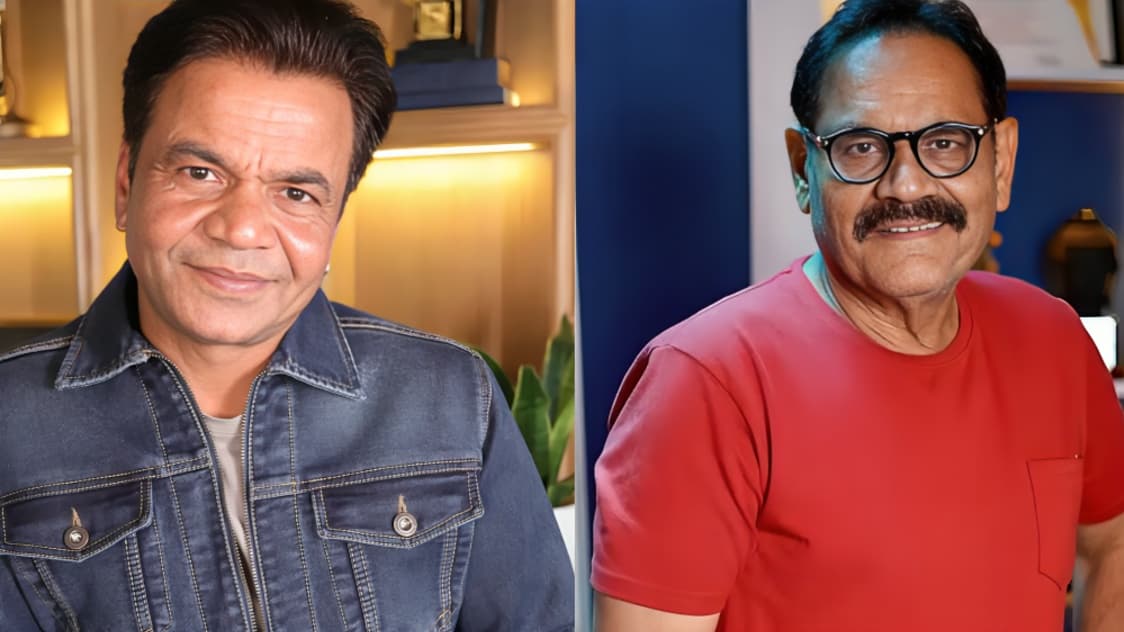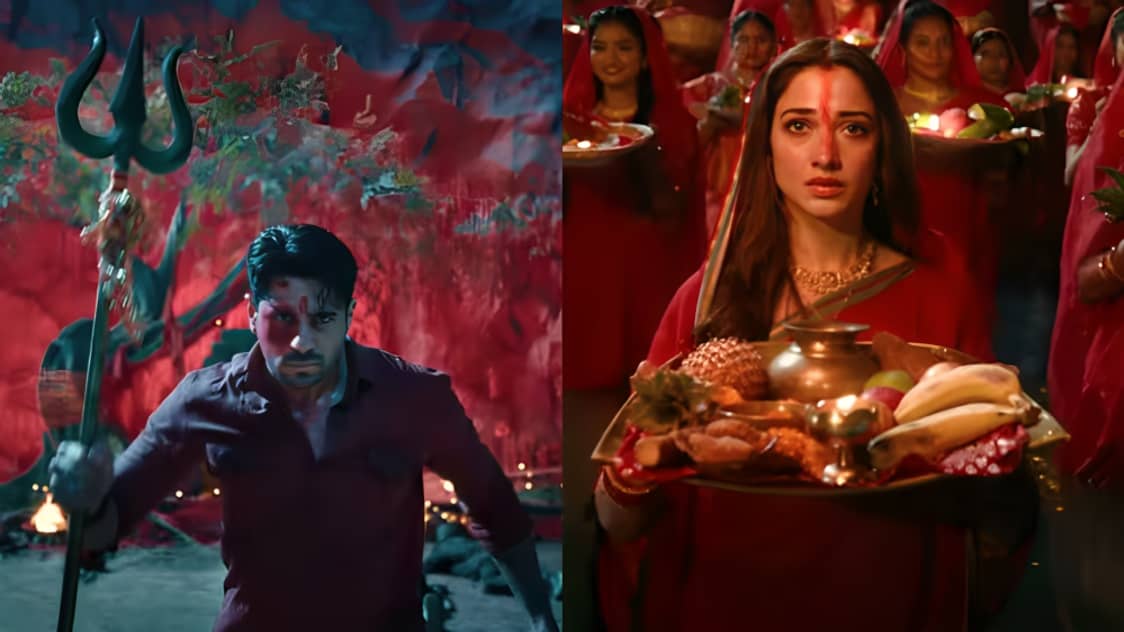
The Vvaan: Force of the Forest is a Hindi fantasy drama that brings Bihar’s folklore and spiritual traditions to the big screen. Directed by Deepak Kumar Mishra, the film stars Sidharth Malhotra and Tamannaah Bhatia in the lead roles, with Sunil Grover, Anup Soni, Shweta Tiwari and Maniesh Paul in supporting roles. The film was released in theatres on September 25, 2026.
The story follows Rishi, played by Sidharth Malhotra, a city-based engineer who returns to his ancestral village in Bihar with his wife Mamta, played by Tamannaah Bhatia. The couple has been facing personal difficulties, including their struggle to have a child. Their return to the village brings them into contact with an old local legend surrounding a sacred forest and Van Devi.
The film takes inspiration from the folklore associated with the Maa Van Devi Temple near Bihta in Bihar. The temple is linked to local stories about a sacred forest and a long-standing belief that people should not enter the area after sunset. Writer Arunabh Kumar has spoken about researching the local traditions and interacting with residents and priests before developing the story with director Deepak Kumar Mishra.
This folklore connection is one of the most distinctive aspects of The Vvaan. Instead of relying entirely on familiar supernatural settings, the film attempts to create a fantasy world based on an Indian cultural and religious tradition. The connection with Bihar, Chhath Puja and the Van Devi folklore gives the story a regional identity.
The first half of the film reportedly establishes this world more effectively. Rishi begins as a rational and city-oriented character who is reluctant to accept the beliefs and warnings of the villagers. His return creates a contrast between modern thinking and traditional beliefs. The mysterious forest gradually becomes an important part of the narrative.
The story also involves a land-related conflict. Rishi is connected to inherited property, while plans involving the forest create tension between development and the community's religious and cultural beliefs. This provides the film with another layer beyond its supernatural storyline.
The combination of folklore, family drama and supernatural elements gives The Vvaan an ambitious premise. However, the execution has received mixed responses from critics.
India Today noted that the film contains several strong ideas involving faith, grief and tradition but suggested that its crowded plotting and uneven execution reduce their overall impact. The review also observed that the film's central mystery becomes less effective as the story introduces more narrative elements.
The Times of India review similarly highlighted the potential of folklore as the foundation for a supernatural story but pointed to uneven writing. According to the review, the film establishes an interesting conflict involving the forest, supernatural forces and human motivations, but some of the later developments do not maintain the same level of engagement.
The second half appears to be the main point of criticism across several reviews. Hindustan Times described the film as having an uneven structure, with the narrative becoming more complicated as it progresses. The review pointed to choppy editing, excessive comic portions and additional backstories that make the screenplay less focused.
Moneycontrol also criticised the screenplay for attempting to combine too many elements, including mythology, folklore, fantasy and comedy. Its review argued that the different ideas do not always come together smoothly and that the film's central forest mystery does not receive enough development.
The performances have also received mixed assessments. Sidharth Malhotra plays Rishi, a character who begins as a rational urban man and becomes increasingly involved in the supernatural events surrounding his ancestral village. His character is required to move between the modern world and the traditions of his hometown.
Tamannaah Bhatia plays Mamta, Rishi's wife. Her character provides much of the emotional side of the story, particularly through the couple's personal struggles. Some reviews have noted that Tamannaah brings emotional weight to the role, although the screenplay gives her fewer opportunities than the central premise might suggest.
Sunil Grover takes on a more serious role in the film, moving away from the comic image associated with many of his previous performances. His character is connected to the film's conflict and supernatural elements. Reviews have had differing views on how successfully the casting works within the darker portions of the story.
Anup Soni and Shweta Tiwari also appear as members of Rishi's family. Their characters help establish the connection between Rishi's present life and his ancestral home.
Maniesh Paul provides comic relief in the film. His scenes are intended to reduce the intensity of the supernatural storyline, although some reviews have questioned whether the comedy fits naturally into the narrative. Hindustan Times particularly noted that some of the recurring comic sequences interrupt the tension created by the main story.
The film's cultural setting is another important feature. Chhath Puja plays a role in the story, helping connect the characters to Bihar and its traditions. The filmmakers have attempted to use religious and cultural elements as part of the larger narrative rather than treating them simply as visual decoration.
However, one criticism raised by Moneycontrol is that the connection between Chhath Puja, the local setting and the supernatural storyline does not always feel fully integrated. The film has several ideas that could have supported a deeper exploration of the region, but the screenplay moves between different genres and conflicts.
The visual presentation of the forest and supernatural elements is another part of the film's identity. The story depends heavily on the idea of a forbidden forest with a mysterious spiritual presence. This setting provides opportunities for suspense and atmosphere.
The challenge is that the mystery needs to remain convincing for the supernatural portions to work. Some reviews have argued that the film does not consistently build enough tension around the forest, while others have found the folklore and visual world engaging. This difference in critical response reflects the film's mixed reception.
The Vvaan also represents an interesting combination of production backgrounds. The project brings together Ektaa Kapoor's Balaji Telefilms and TVF, while Deepak Kumar Mishra is known for directing Panchayat. The film therefore combines a folklore based fantasy concept with a creative team associated with both television and digital entertainment.
The result is an attempt to create a commercially oriented supernatural film rooted in an Indian cultural setting. The film does not present the Van Devi folklore as a historical documentary. Instead, it uses the local legend as the foundation for a fictional cinematic story. India Today has also noted that the film should be viewed as a cinematic interpretation rather than a historical account of the temple and its traditions.
One of the film's strengths is therefore the central idea. A story based on lesser-known regional folklore gives The Vvaan an identity that separates it from supernatural films relying exclusively on familiar mythology or urban horror settings.
The main challenge is the screenplay. Reviews have repeatedly pointed to the number of ideas introduced during the film. The story moves between family drama, faith, folklore, supernatural conflict, comedy and action. When these elements are not given equal narrative development, the central mystery can lose focus.
The film's climax has also attracted criticism. Some reviews describe the final portion as increasingly elaborate and less connected to the grounded folklore setup established in the first half. This contributes to the sense that the film begins with a relatively focused premise but becomes more complicated as it approaches its conclusion.
At the same time, early audience reactions reported by Times of India have praised the film's folklore elements, visual presentation and supernatural portions. This indicates that audience responses have not been completely uniform and that some viewers have connected with the film's fantasy world and devotional themes.
The Vvaan is therefore best understood as an ambitious attempt to bring a regional Indian folklore tradition into a mainstream theatrical fantasy drama. Its strongest foundation is the Van Devi legend and the cultural setting of Bihar. Its narrative difficulties arise from the number of themes and genres incorporated into the screenplay.
Sidharth Malhotra and Tamannaah Bhatia remain central to the film's emotional storyline, while the supporting cast adds different tones to the narrative. The performances have received varied responses from critics, with Tamannaah's emotional portrayal receiving particular attention in some reviews.
The film's treatment of folklore is also notable because it introduces a lesser-known cultural story to a wider audience. The Maa Van Devi Temple near Bihta has gained additional attention following the film's release, with reports highlighting its connection to local beliefs about the forest and the deity.
Overall, The Vvaan: Force of the Forest has an unusual premise and a strong connection to Indian folklore. Its setting, devotional elements and supernatural concept give it a distinctive identity. However, current reviews have raised concerns about uneven writing, a crowded second half, inconsistent humour and limited development of some characters.
For viewers interested in Indian folklore, supernatural dramas and stories rooted in regional traditions, the film offers a different setting and concept. The mixed critical response mainly centres on how effectively the film transforms its promising folklore foundation into a consistent feature-length narrative.
The Vvaan: Force of the Forest is currently playing in theatres following its September 25, 2026 release.