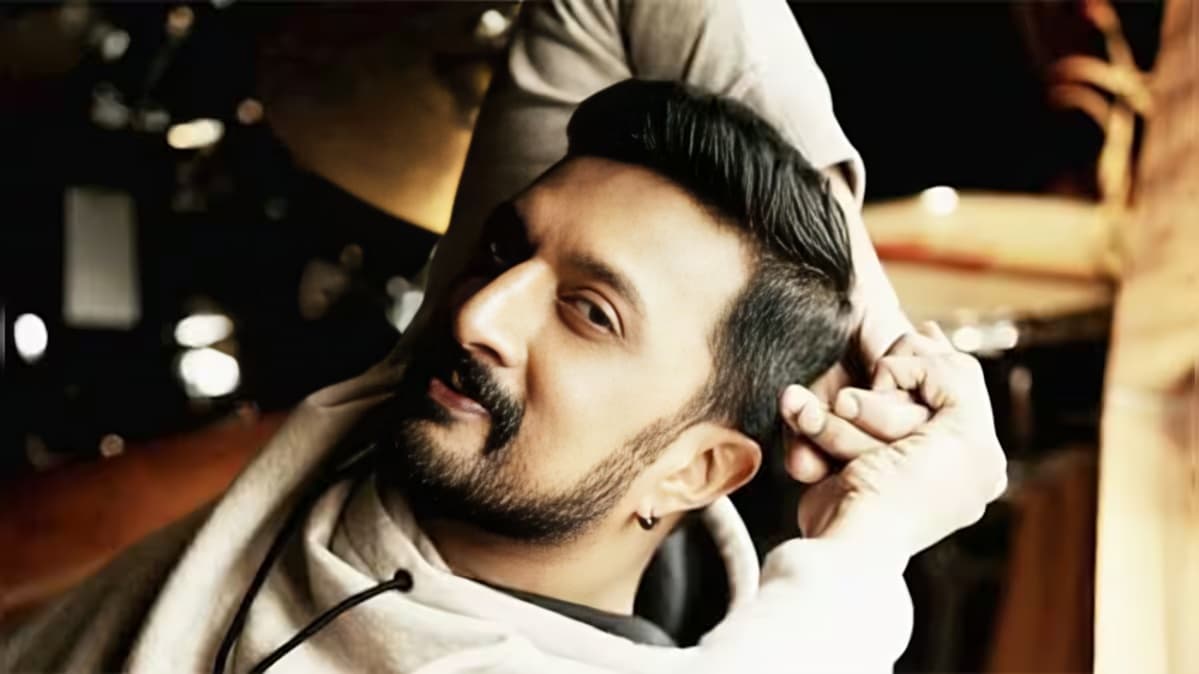
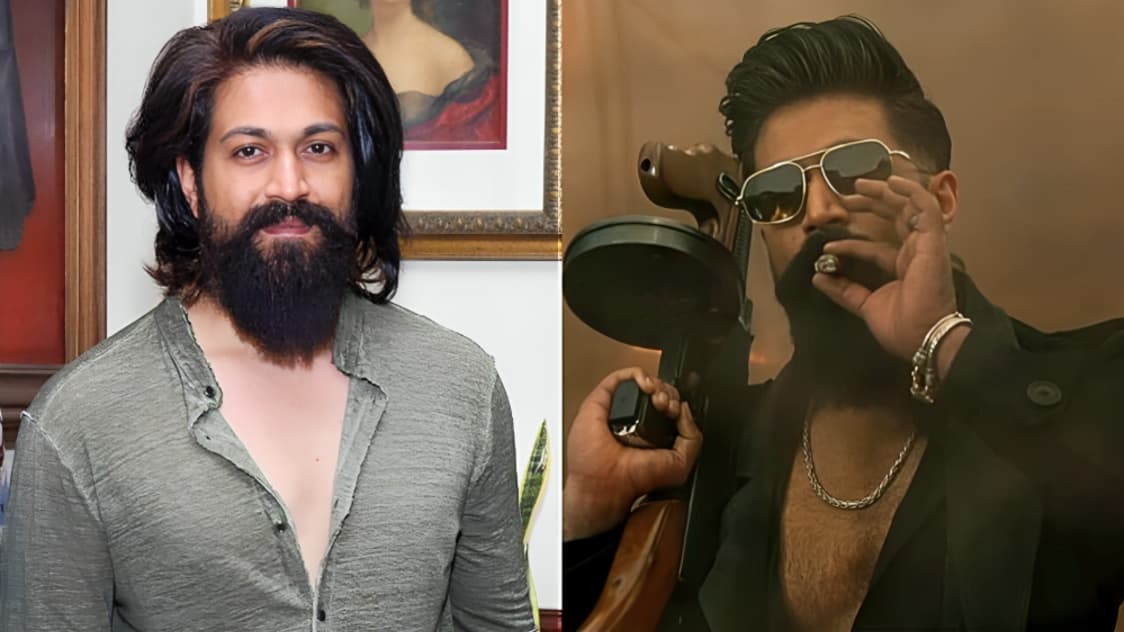
Rishab Shetty, a well-known filmmaker and actor, recently voiced his concerns about the declining number of people going to theaters, a trend he attributes to the increasing dependence on mobile phones and digital devices. In a candid discussion, Shetty reflected on how the rise of mobile entertainment is changing the way people consume content, leading to fewer audiences in cinemas and potentially altering the traditional movie-watching experience.
Shetty observed that in today's digital age, the vast majority of people are deeply engrossed in their mobile phones, with an abundance of entertainment available at their fingertips. From streaming services to social media platforms, there is a constant barrage of content that keeps users engaged and often glued to their screens. This shift in behavior has had a significant impact on the way people engage with films, as many now prefer the convenience of watching movies on their devices rather than making the effort to visit a theater.
He pointed out that this trend has led to a noticeable decline in theater attendance, which is troubling for filmmakers and the industry as a whole. For decades, going to the cinema has been a communal experience, where audiences come together to share in the emotions and excitement of a film on the big screen. Shetty expressed concern that this experience is being lost as more people opt to stay home, missing out on the immersive environment that theaters provide.
Shetty also highlighted the emotional and sensory difference between watching a film in a theater versus on a mobile device. The grandeur of the big screen, the sound system, and the collective energy of the audience are elements that contribute to the magic of cinema—an experience that cannot be replicated on a small screen. He believes that while mobile phones offer convenience, they also detract from the richness of the movie-watching experience, leading to a more isolated and less impactful engagement with films.
Moreover, Shetty touched on the broader implications of this shift for the film industry. With fewer people attending theaters, box office revenues are affected, which in turn impacts the kinds of films that get made. Big-budget productions, which rely on theater audiences to recoup their costs, may become less viable, leading to a potential decrease in the diversity of films being produced. This could result in a narrowing of the types of stories told, as filmmakers and studios might become more cautious in their investments.
The filmmaker also expressed concern about the long-term effects on younger generations, who may grow up without experiencing the magic of a theater visit. He emphasized the importance of maintaining the tradition of going to the movies, not just as a form of entertainment, but as a cultural and social activity that brings people together. Shetty believes that theaters offer a unique space for storytelling, where films can be appreciated in their full artistic and technical glory.
In response to these challenges, Shetty called for a renewed effort to encourage theater attendance. He suggested that filmmakers and theater owners work together to create more engaging and unique experiences that can draw audiences back to the big screen. Whether it's through innovative marketing, special screenings, or offering more diverse content, there are ways to reignite interest in the theater-going experience.
Despite the rise of digital media, Shetty remains hopeful that theaters will continue to play a vital role in the film industry. He acknowledges that while mobile phones and streaming services have their place, they should complement rather than replace the traditional cinema experience. By fostering a balance between the convenience of digital access and the immersive experience of theaters, Shetty believes that audiences can continue to enjoy the best of both worlds.
In conclusion, Rishab Shetty's remarks about the impact of mobile phones on theater attendance underscore a significant shift in entertainment consumption. While the convenience of digital media has changed the way people watch films, it has also led to a decline in theater-going, which could have lasting effects on the film industry and the movie-watching experience. Shetty's insights serve as a reminder of the unique value that theaters offer and the importance of preserving this cultural tradition in the face of technological advancements.