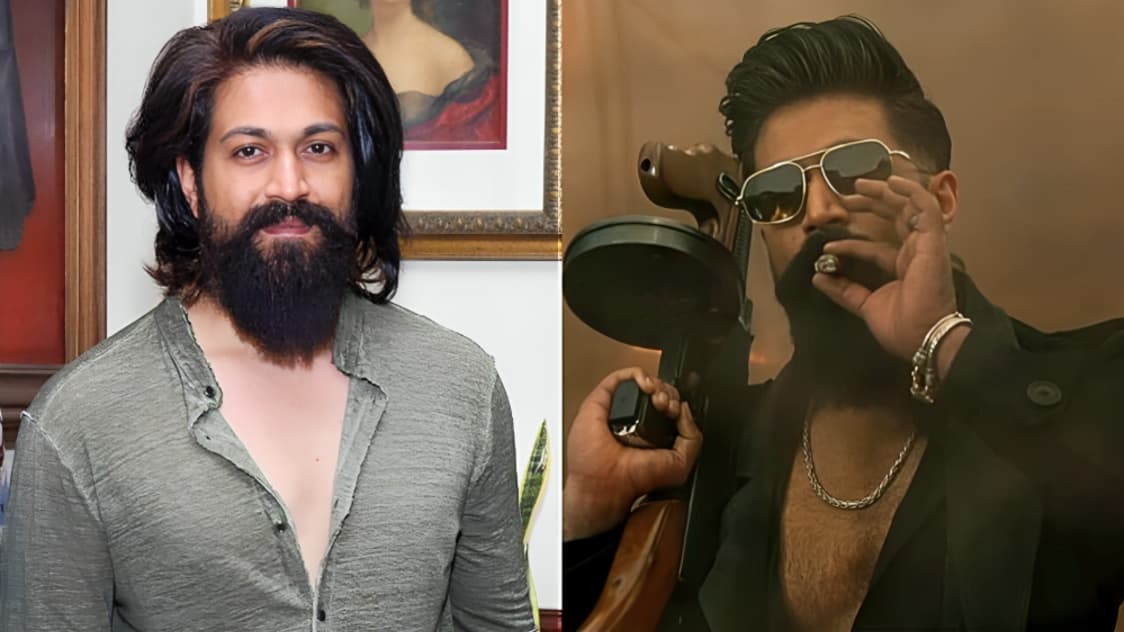
Rocking Star Yash, one of the biggest names in Indian cinema today, has expressed his deep admiration for the legendary screenwriting duo Salim Khan and Javed Akhtar, popularly known as Salim-Javed. In a recent statement, Yash highlighted the profound impact that their dialogues have had on Indian cinema, emphasizing that these are not just mere words spoken on screen, but a form of philosophy that resonates with audiences across generations.
Salim-Javed are celebrated for their unparalleled contribution to the golden era of Bollywood, penning some of the most iconic dialogues in Indian film history. Their work includes classics like Sholay, Deewaar, Zanjeer, and Don, films that have become cultural landmarks, in large part due to the power of their dialogue. These dialogues have not only defined the characters and stories but have also conveyed deep philosophical truths about life, society, and human nature.
Yash, who himself has delivered several memorable performances and dialogues in his films, particularly in the KGF series, recognizes the artistry and depth that Salim-Javed brought to their work. He remarked that their dialogues transcend the realm of entertainment, offering viewers insights into the complexities of life and human relationships. According to Yash, what makes their work timeless is the way it blends entertainment with profound philosophical ideas, making the audience think while they are being entertained.
In his praise, Yash pointed out that Salim-Javed’s dialogues often serve as reflections of the socio-political climate of their times, while also addressing universal themes that remain relevant today. For instance, lines from Deewaar like "Mere paas maa hai" or from Sholay like "Kitne aadmi the?" have become more than just famous quotes—they are etched into the collective consciousness of Indian audiences, symbolizing larger truths about loyalty, justice, and the human condition.
Yash’s own journey in the film industry, particularly with his portrayal of the intense and gritty character Rocky in KGF, has drawn comparisons to the kind of iconic, larger-than-life roles that were often written by Salim-Javed. He acknowledges that the way they crafted characters—flawed, complex, and yet relatable—set a standard that actors and writers continue to aspire to today.
The actor's reverence for Salim-Javed is also rooted in his understanding of the craft of dialogue writing. He appreciates the meticulous care with which the duo crafted their lines, ensuring that every word carried weight and meaning. Yash notes that their dialogues are layered with multiple interpretations, allowing audiences to draw different meanings from them, depending on their perspectives and life experiences.
Yash’s admiration for Salim-Javed also reflects his belief in the power of cinema to influence society. He sees their work as a testament to how films can do more than just entertain—they can provoke thought, inspire change, and leave a lasting impact on the audience. For Yash, the legacy of Salim-Javed is not just in the unforgettable movies they created, but in the way they elevated dialogue writing to an art form that continues to inspire filmmakers and actors today.
As Yash continues to carve out his own legacy in Indian cinema, his words of praise for Salim-Javed serve as a reminder of the enduring influence of their work. Their dialogues, steeped in philosophy and meaning, continue to inspire not just actors like Yash, but also the countless fans who have grown up watching and quoting their films.
In a world where the impact of cinema is often measured by box office numbers and social media buzz, Yash’s appreciation for the philosophical depth of Salim-Javed’s dialogues highlights the lasting power of well-crafted words. Their ability to resonate with audiences on a deeper level, decades after they were first written, is a testament to their genius and the timelessness of their work.
For Yash, and for many others who revere Indian cinema, the dialogues written by Salim Khan and Javed Akhtar are more than just memorable lines—they are lessons in life, encapsulated in the art of storytelling.